Air Fryer Chicken Katsu
There is something deeply satisfying about cutting into a piece of chicken katsu and hearing that crunch. The first time I made it at home, I was honestly a little nervous. Katsu always felt like one of those dishes you order at a restaurant, not something you attempt on a Tuesday night with a half-empty pantry and a hungry family waiting. But it turns out the air fryer changes everything. No pot of oil splattering across the stove, no guessing whether the coating will stay on, and no greasy cleanup afterwards. Just golden, shatteringly crisp chicken with a juicy center, ready in about twenty minutes.
Chicken katsu is a Japanese comfort food classic. Traditionally it is a breaded pork or chicken cutlet, deep-fried until golden and served sliced over rice with a sweet, tangy tonkatsu sauce. The air fryer version keeps everything people love about the original — the crunchy panko crust, the tender meat, the salty-sweet sauce — and trims away the deep frying. I have made this recipe more times than I can count now, and it is one of those dinners that quietly became a regular in our house. My kids ask for it by name, which, if you have children, you know is the highest praise a recipe can get.
What I love most about this version is how forgiving it is. You do not need a meat mallet or any special equipment beyond your air fryer. Thin chicken breasts or thighs, a quick dredge in flour, egg, and panko, a light spray of oil, and the air fryer does the rest. The coating turns an even golden brown, and the chicken stays moist because the hot air circulates all around it instead of sitting in oil. Serve it over steamed rice with shredded cabbage and a drizzle of tonkatsu sauce, and you have a meal that tastes like it came from a proper Japanese cafe.
This recipe is written for real weeknight cooking. I will walk you through the breading station setup so nothing gets messy, explain why panko matters more than regular breadcrumbs, and share the small tricks that keep the coating stuck to the chicken instead of sliding off in the basket. If you have never made katsu before, this is the place to start. If you already love it, the air fryer method might just become your new favorite way to make it.
Why You’ll Love This Recipe
The first reason is the crunch. Panko breadcrumbs are flakier and lighter than regular breadcrumbs, and in the air fryer they crisp up beautifully with just a light mist of oil. You get that restaurant-style shatter without a deep fryer, and the coating actually stays crisp for a while after cooking, which is more than I can say for most fried foods at home. Even the second helping, sliced a few minutes later, still has a satisfying bite to it.
The second reason is speed. From fridge to table, this whole meal takes about twenty-five minutes, and most of that is hands-off time while the air fryer works. There is no oil to heat, no thermometer to watch, and no batch frying where the first pieces go cold while the last ones cook. Everything goes in the basket at once, and it all comes out hot and golden together. On busy nights that matters more than anything else.
The third reason is how clean it is. Deep frying at home means oil splatter on the stove, a lingering smell, and a pan of used oil to deal with afterwards. The air fryer version leaves you with a basket to rinse and a cutting board to wash. That alone has made me cook katsu far more often than I ever did before. It also uses a fraction of the oil, so the finished dish feels lighter while still tasting indulgent.
Finally, this recipe is wonderfully flexible. It works with chicken breasts or thighs, you can buy a bottle of tonkatsu sauce or whisk up a quick homemade version from pantry staples, and it pairs with almost anything — rice, noodles, a simple salad, or tucked into a sandwich the next day. Once you have the method down, you will find yourself using it for pork cutlets, fish fillets, and even thick slices of eggplant.
Ingredients You’ll Need
- 2 large boneless, skinless chicken breasts (about 1 1/4 pounds total), or 4 boneless chicken thighs
- 1 teaspoon kosher salt
- 1/2 teaspoon black pepper
- 1/2 teaspoon garlic powder
- 1/2 cup all-purpose flour
- 2 large eggs, beaten
- 1 1/2 cups panko breadcrumbs
- 1 teaspoon soy sauce (optional, for the egg wash)
- Olive oil spray or cooking spray, for misting
- 2 cups cooked short-grain or jasmine rice, for serving
- 1 cup finely shredded green cabbage, for serving
- 1/3 cup tonkatsu sauce, store-bought or homemade
- 1 green onion, thinly sliced, for garnish
- 1 teaspoon sesame seeds, for garnish
How to Make Air Fryer Chicken Katsu
Start by preparing the chicken. If you are using chicken breasts, slice each one in half horizontally to make four thin cutlets, each about half an inch thick. This is the single most important step in the whole recipe, because thin, even cutlets cook quickly and evenly in the air fryer, while thick ones dry out on the outside before the middle is done. If a piece is still uneven, place it between two sheets of plastic wrap and press it gently with the bottom of a heavy pan until it is level. Pat the cutlets dry with paper towels, then season both sides with the salt, pepper, and garlic powder. Dry chicken is the secret to a coating that actually sticks.
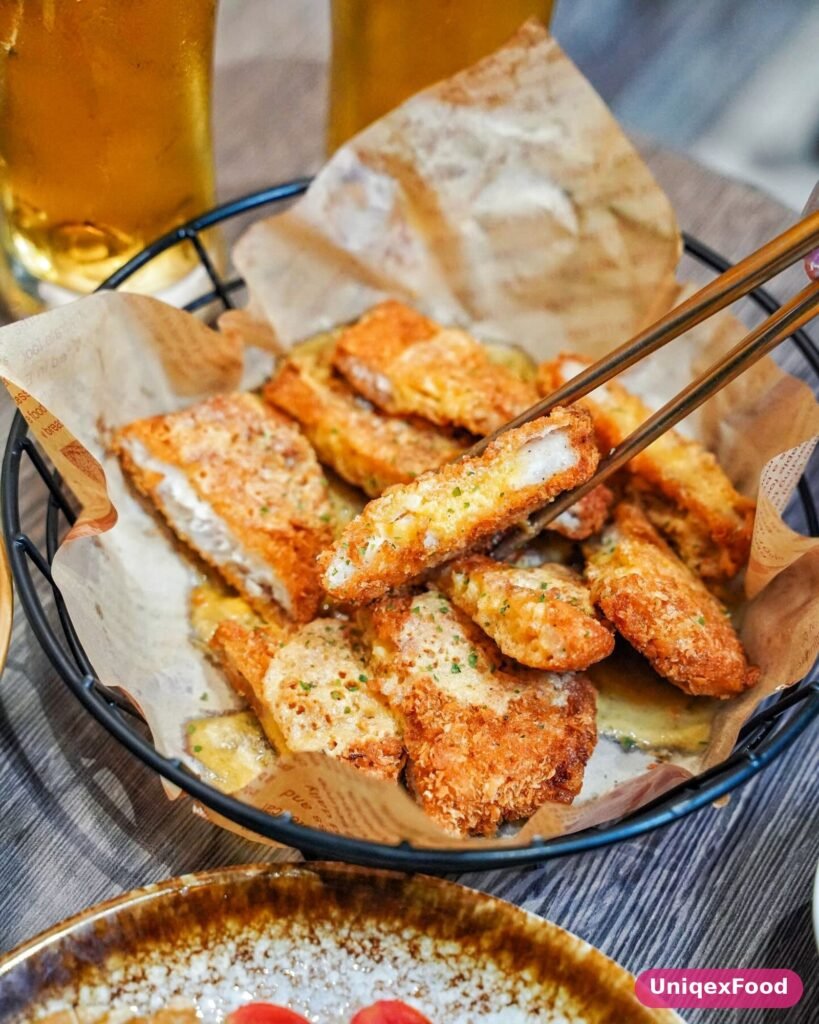
Set up your breading station with three shallow bowls lined up in a row. Put the flour in the first bowl, the beaten eggs in the second, and the panko in the third. If you are using the soy sauce, whisk it into the eggs; it adds a subtle savory depth that you will notice even though you cannot quite name it. Working with one cutlet at a time, press it into the flour and shake off the excess — you want a thin, even dusting, not a thick coat. Then dip it in the egg, letting the extra drip back into the bowl, and finally press it firmly into the panko, patting the crumbs on with your fingers so they cling. Use one hand for the dry bowls and one for the egg if you can; it keeps your fingers from turning into breaded clubs. Set each breaded cutlet on a plate and let them rest for five minutes while the air fryer preheats. That short rest helps the coating set so it does not slide off in the basket.
Preheat your air fryer to 400°F (200°C) for three to five minutes. A hot basket is essential — it starts crisping the coating the moment the chicken touches it, the same way a hot pan sears meat. Lightly spray the basket with oil, then arrange the cutlets in a single layer with a little space between them. Do not stack them or crowd the basket; if your air fryer is small, cook in two batches. Mist the tops generously with olive oil spray. The oil is what turns the panko golden and crunchy, so do not skip it, but do not drown the coating either — a light, even mist is perfect.
Cook for ten to twelve minutes, flipping the cutlets halfway through and giving the second side a light spray of oil. The exact time depends on the thickness of your chicken and the size of your air fryer, so start checking at ten minutes. You are looking for a deep golden-brown crust and an internal temperature of 165°F (74°C) at the thickest part. A quick-read thermometer takes all the guesswork out of this. When the chicken is done, let it rest on a cutting board for three to four minutes before slicing. Resting lets the juices settle back into the meat instead of running out onto the board, and it lets the crust firm up so it slices cleanly.
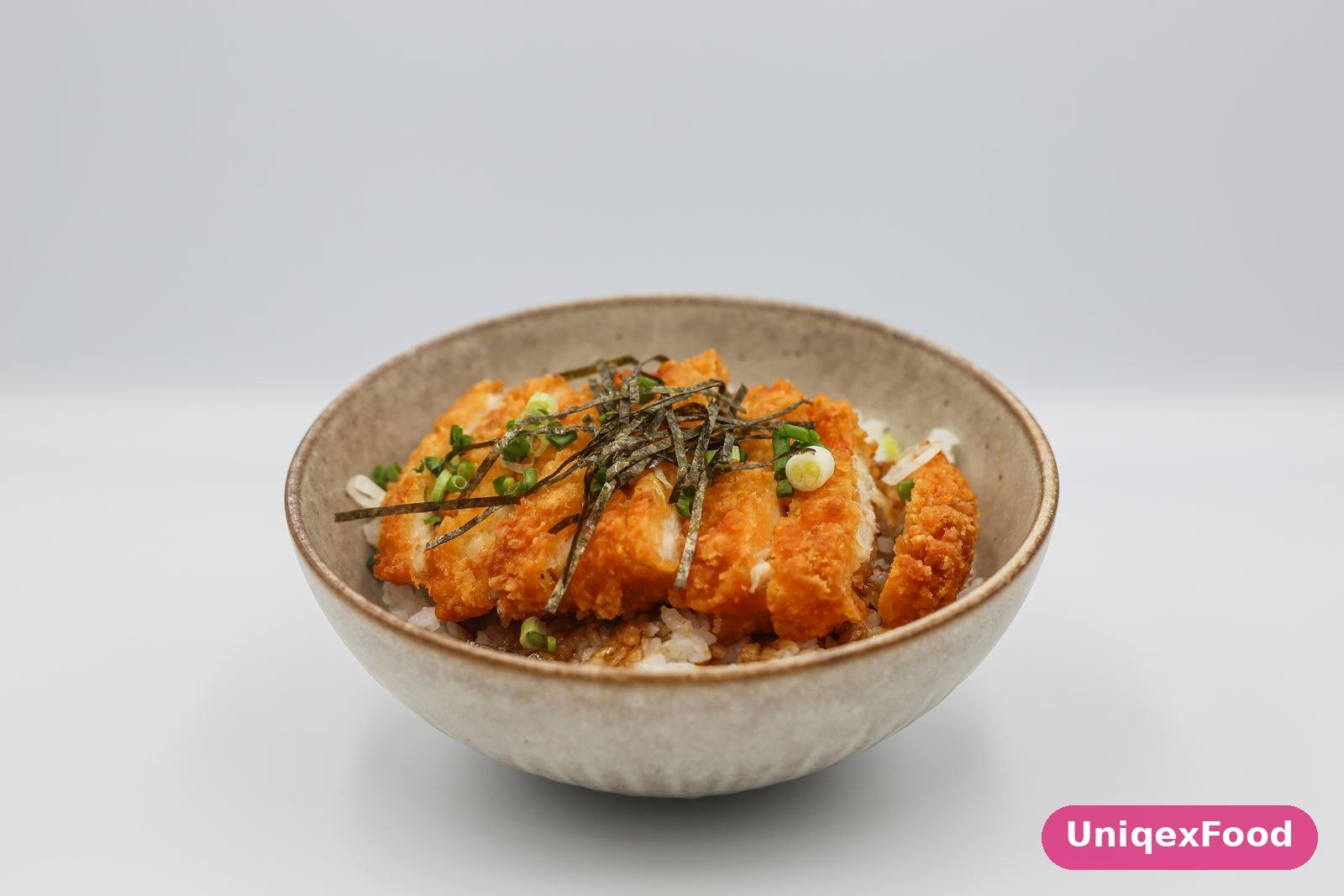
To serve, slice each cutlet crosswise into half-inch strips — this is how katsu is traditionally presented, and it shows off that beautiful contrast between the golden crust and the juicy white meat. Fan the strips over a bed of warm rice, add a pile of shredded cabbage on the side, and drizzle generously with tonkatsu sauce. Scatter the sliced green onion and sesame seeds over the top, and serve immediately while the crust is at its crispiest. If you want the full experience, put a small bowl of extra sauce on the table so everyone can add more.
Tips for Crispy Air Fryer Chicken Katsu
Use panko, not regular breadcrumbs. This is not a place to substitute. Panko is made from crustless bread and forms larger, airier flakes that fry up lighter and crunchier than fine breadcrumbs. Regular breadcrumbs will give you a denser, softer coating that can turn soggy in the air fryer. If you can find it, the coarser style of panko works even better. Some brands sell it already seasoned, but I prefer plain panko so I can control the seasoning myself.
Pound or slice the chicken evenly. Uneven cutlets are the number one reason katsu comes out dry on the thin end and undercooked on the thick end. Take the extra two minutes to get every piece to roughly the same half-inch thickness. It is a small effort that makes a huge difference in the finished dish, and it is the difference between good katsu and great katsu.
Do not skip the resting time after breading. Those five minutes on the plate let the flour absorb a little moisture from the egg and help the whole coating bond to the chicken. If you rush straight from the breading station to the basket, the coating is much more likely to peel away when you flip the cutlets. Think of it as letting everything settle in before the heat hits.
Spray, do not pour, the oil. A light mist of oil spray over the coating is what creates that golden color and crunch. Pouring oil over the cutlets will make the crumbs heavy and greasy, and it can cause them to slide off. If you do not have spray oil, you can brush a thin layer on with a pastry brush — just keep it light and even.
Check the temperature, not the clock. Air fryers vary, and chicken thickness varies even more. A quick-read thermometer is the only reliable way to know the chicken is done without cutting into it and losing those precious juices. Pull the chicken at 165°F, and remember that it will rise another degree or two while it rests.
Variations to Try
If you love curry, turn this into a katsu curry by serving the sliced chicken over rice with a ladle of Japanese curry sauce. You can use a store-bought curry roux block, which is what most Japanese home cooks actually use, or a jar of curry sauce warmed on the stove. The sweet, mild curry against the crunchy chicken is one of the most comforting meals I know, and it is a wonderful way to stretch this recipe into something that feels completely different.
For a pork version, use thin boneless pork chops or pork loin cutlets pounded to half an inch thick. The method is identical, though pork sometimes needs an extra minute or two in the air fryer. Tonkatsu, the pork original, is arguably even more traditional than the chicken version, and it is just as good in the air fryer.
A spicy variation works beautifully too. Add a teaspoon of chili garlic sauce or a pinch of cayenne to the egg wash, and serve the finished katsu with a drizzle of sriracha mayo. The heat plays nicely against the richness of the fried coating and the sweetness of the tonkatsu sauce. If you are feeding kids, keep the spicy version on the side so everyone can choose their own adventure.
For a lighter, gluten-free version, swap the flour for rice flour and use gluten-free panko, which is now widely available. The texture is very close to the original, and the air fryer still gives it a lovely golden crust. You can also try a low-carb coating made from crushed pork rinds mixed with a little almond flour — it sounds unusual, but the crunch is fantastic.
Turn leftovers into a katsu sandwich, which might be even better than the original meal. Slice the cold chicken, tuck it into soft white bread or a fluffy milk roll with shredded cabbage and plenty of tonkatsu sauce, and press it gently. Japanese convenience stores sell these sandwiches, and once you try one at home you will understand why they are so beloved.
Serving Ideas
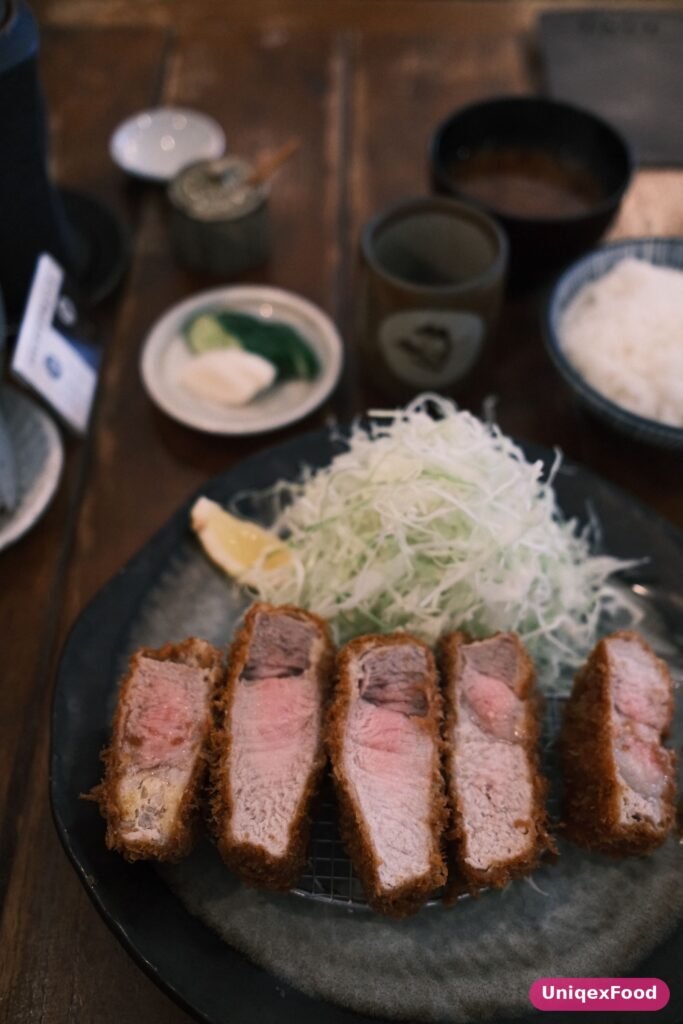
The classic way to serve chicken katsu is over a mound of warm short-grain rice with a heap of finely shredded cabbage and a generous drizzle of tonkatsu sauce. The rice soaks up the sauce, the cabbage adds a fresh crunch that cuts through the richness, and the whole plate feels balanced and complete. A small bowl of miso soup and some pickled ginger on the side turn it into a proper Japanese-style meal that would not look out of place in a little Tokyo cafe.
If rice is not what you are in the mood for, katsu is wonderful over noodles too. Try it sliced over a bowl of udon in a light broth, or alongside cold soba noodles with a dipping sauce on a warm day. The contrast of hot, crunchy chicken with cool noodles is one of those combinations that sounds odd until you try it, and then it makes perfect sense.
For a lighter plate, skip the rice and serve the sliced katsu over a big salad of mixed greens, shredded carrot, and cucumber with a sesame-ginger dressing. The warm chicken wilts the greens just slightly, and the dressing echoes the flavors of the tonkatsu sauce. It is a great option when you want the crunch and satisfaction of katsu without the heaviness of a full rice bowl.
And do not forget the drinks and little extras. A cold glass of iced green tea is the traditional pairing, but a light lager or a sparkling water with lemon works just as well. A small dish of pickled vegetables — quick pickled cucumber or daikon — adds brightness and a welcome acidic bite that keeps the meal from feeling too rich.
Storage and Reheating
Store leftover katsu in an airtight container in the refrigerator for up to three days. If you can, store the chicken separately from the rice and sauce so the coating does not absorb moisture and go soft. Sliced or whole, it keeps well, though the crust will soften in the fridge — that is normal, and the reheating method below will bring most of the crunch back.
To reheat, the air fryer is your best friend. Preheat it to 375°F (190°C), arrange the chicken in a single layer, and cook for three to four minutes until hot and crisp again. This works far better than the microwave, which will turn the coating soft and chewy. If you only have a microwave, use it in short bursts at medium power and accept that the crust will not be as crisp — the flavor will still be good.
You can also freeze breaded, uncooked cutlets for later. Bread them as usual, then lay them on a baking sheet in a single layer and freeze until solid, about two hours. Transfer them to a freezer bag with parchment between the layers, and they will keep for up to two months. Cook from frozen in the air fryer at 380°F, adding three to four minutes to the cooking time. This is a wonderful trick for busy weeks — a homemade katsu dinner with almost no prep.
Cooked katsu also freezes reasonably well, though the crust loses a little of its magic. Wrap individual portions tightly, freeze for up to a month, and reheat from frozen in the air fryer at 375°F for six to eight minutes. It will not be quite as shatteringly crisp as fresh, but it is still miles better than most frozen dinners.
Frequently Asked Questions
Can I use chicken thighs instead of breasts?
Yes, and honestly, thighs are my personal favorite for katsu. They stay juicier than breasts and are much more forgiving if you cook them a minute too long. Use boneless, skinless thighs and pound them to an even half-inch thickness, just as you would with breasts. The cooking time is about the same, though very thick thighs may need an extra minute. The flavor is richer and the meat stays tender, so if you have a choice, give thighs a try.
What is tonkatsu sauce, and can I make it at home?
Tonkatsu sauce is a thick, sweet, tangy brown sauce similar to a Japanese-style barbecue sauce or a mild Worcestershire. You can buy it bottled in most grocery stores in the international aisle, or you can make a quick version at home by whisking together a quarter cup of ketchup, two tablespoons of Worcestershire sauce, one tablespoon of soy sauce, and one teaspoon of sugar. Let it sit for ten minutes so the flavors meld. It keeps in the fridge for a week, and it is also wonderful on pork chops and burgers.
Why did my coating fall off in the air fryer?
The most common reason is that the chicken was wet when it went into the flour. Always pat the cutlets completely dry with paper towels first, and make sure the flour coat is thin and even — a thick layer of flour has nothing to grip. The five-minute rest after breading also matters, because it lets the coating bond. Finally, do not flip the chicken too early or too aggressively; let the crust set for the first five or six minutes before you turn it.
Do I need to preheat the air fryer?
It really helps. A preheated basket starts crisping the panko the moment the chicken goes in, which gives you a more even golden color and a crunchier crust. If your air fryer has a preheat function, use it for three to five minutes at 400°F. If it does not, just run it empty at 400°F for the same amount of time before adding the chicken. It is a small step that makes a noticeable difference.
Can I make this without eggs?
Yes. If you need an egg-free version, brush the floured cutlets with a little mayonnaise or Dijon mustard instead of the egg wash — both help the panko stick and add flavor of their own. You can also use a mixture of milk and a tablespoon of flour as a binder. The coating may be slightly less thick than with egg, but it still crisps up nicely in the air fryer.
What should I serve with chicken katsu?
The classic pairing is steamed rice, shredded cabbage, and tonkatsu sauce, and that combination is classic for a reason — it just works. For a fuller meal, add miso soup and a quick cucumber salad. If you want something lighter, a green salad with sesame dressing is lovely. For a fun twist, try it in a sandwich, over noodles, or as part of a curry. The chicken is the star, so almost any simple side will let it shine.
If you enjoy crisp, golden air fryer chicken, you will also love these crispy air fryer chicken tenders made without breadcrumbs, and for another crunchy side, try these crispy potato wedges made in the air fryer without oil. Fans of golden potatoes should also check out these crispy air fryer potatoes made without flour, and if you want another chicken dish with a peanut twist, this air fryer chicken satay with peanut sauce is a wonderful next cook. For more background on the classic dish, see this chicken katsu curry recipe from BBC Good Food, and for safe cooking temperatures, the USDA food safety guidance is the reference I trust.