Sauteed Zucchini with Garlic and Herbs
Zucchini is one of those vegetables I always seem to have too much of in the summer, and this is the recipe that saves me from it. It is the simplest thing I make with zucchini, and honestly it is the one I come back to most often. A hot pan, a little olive oil and butter, sliced zucchini, garlic, and a handful of fresh herbs, and fifteen minutes later you have a side dish that tastes like you put a lot more thought into it than you did. There is nothing fancy here, just good technique and a few things done in the right order.
I learned the hard way that zucchini can go wrong in a hurry. My first attempts at sauteing it turned out soft and watery, the kind of thing that sits in a puddle on the plate and nobody reaches for a second helping. The problem was me: I crowded the pan, cooked on medium heat, and stirred every thirty seconds like I was afraid it would burn. Once I stopped doing all three of those things, the same recipe turned into something completely different: slices that are golden on the edges, tender in the middle, and full of garlic flavour. That is really the whole secret, and it is worth learning, because once you know how to saute zucchini properly you will use it all summer.
What I like about this dish is how it fits into a real weeknight. You can start it while the chicken is resting or the pasta water is coming to a boil, and it will be done before anything else needs your attention. It takes about five minutes of prep and ten minutes in the pan, and most of that pan time is just leaving it alone. I make it when I need a vegetable on the table fast, when the garden gives me three zucchini I did not plan for, and when I want dinner to feel a little lighter without cooking a whole separate meal.
The herbs are what make it taste like more than plain cooked zucchini. I use parsley and basil when I have them fresh, sometimes a little thyme, and I add them at the very end so the heat of the pan wakes them up without cooking them flat. Garlic goes in near the end too, because garlic burns fast in a hot pan and burnt garlic will ruin the whole dish. Get those two timings right, and a handful of cheap ingredients turn into something you will actually want to eat, not just something you feel you should eat because it is a vegetable.
Why You’ll Love This Recipe
The first reason is speed. From the time you pick up the knife to the time the pan comes off the heat, this is a fifteen-minute recipe, Five minutes to slice the zucchini and chop the garlic and herbs, ten minutes in the pan, and it is done. On a night when dinner is already running late and you need a vegetable, that matters more than anything else.
The second reason is flavour for very little effort. Zucchini on its own is mild, almost bland if you are honest about it, but it is a wonderful carrier for other flavours. It soaks up garlic and butter, it picks up the browned bits from the pan, and it goes soft and sweet at the edges when it gets a proper sear. The herbs on top give it a fresh finish that makes the whole plate taste brighter.
The third reason is that it goes with almost everything. Grilled chicken, roast pork, a piece of fish, a bowl of pasta, a fried egg on toast, a barbecue spread, a holiday table, it fits all of them without any changes. I have served it next to rich, heavy main dishes where it cuts through the richness, and next to light summer meals where it just belongs. It is the side dish I make when I cannot decide what side dish to make, and it has never let me down.
And the last reason is that it is genuinely good for you without tasting like a health food. Zucchini is mostly water, low in calories, and full of the kind of fibre and vitamins that make you feel good about what you ate, but this recipe leans on butter, garlic, and herbs instead, which is why people actually eat it.
Ingredients You’ll Need
Everything here is simple, and you probably have most of it already. The only thing I would insist on is using fresh zucchini that feels firm and heavy for its size, because soft or bendy zucchini will never crisp up properly no matter what you do in the pan.
- 4 medium zucchini (about 1 1/2 pounds / 680 g), sliced into 1/4-inch half-moons
- 2 tablespoons olive oil
- 1 tablespoon unsalted butter
- 4 cloves garlic, thinly sliced
- 1/2 teaspoon fine salt, plus more to taste
- 1/4 teaspoon black pepper, freshly ground
- 1/4 teaspoon red pepper flakes (optional)
- 1 teaspoon lemon zest
- 1 tablespoon fresh lemon juice
- 2 tablespoons chopped fresh flat-leaf parsley
- 2 tablespoons chopped fresh basil
- 1 teaspoon chopped fresh thyme leaves (optional)
- 2 tablespoons grated Parmesan cheese, for serving (optional)
How to Make Sauteed Zucchini with Garlic and Herbs
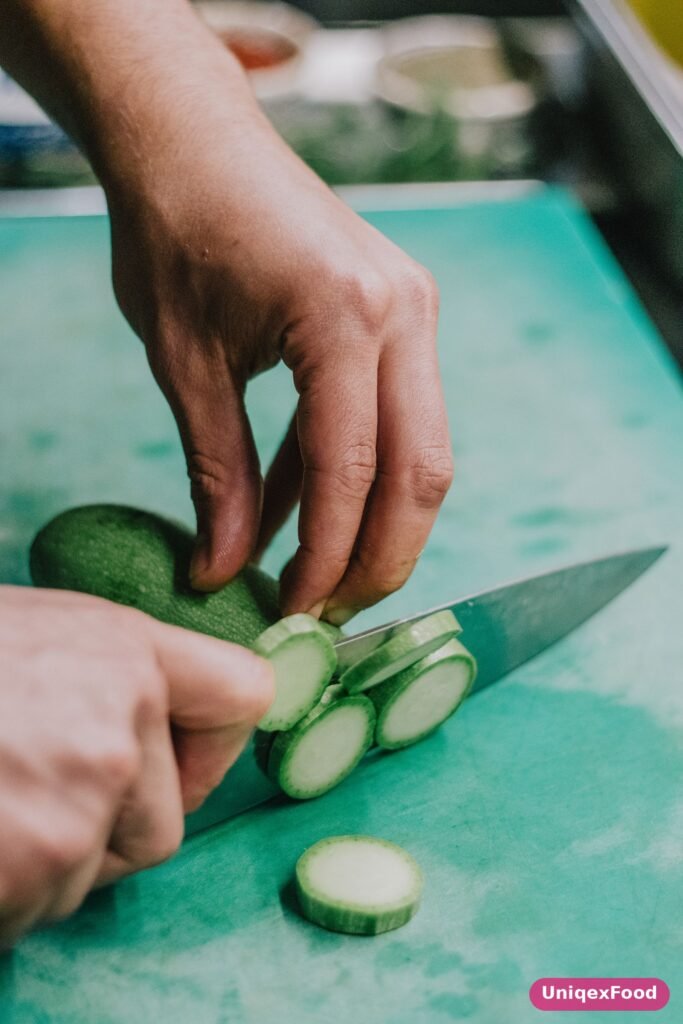
Start by preparing the zucchini. Wash it well and trim off both ends, then cut each one in half lengthwise and slice the halves crosswise into half-moons about a quarter of an inch thick. Try to keep the slices even, because thin slices will cook faster than thick ones and you will end up with a pan that is half mushy and half raw. Lay the slices out on a clean kitchen towel or a few sheets of paper towel and pat the tops dry. Zucchini holds a lot of water, and any water left on the surface will steam in the pan instead of letting the slices brown, so this quick drying step is worth the thirty seconds it takes.
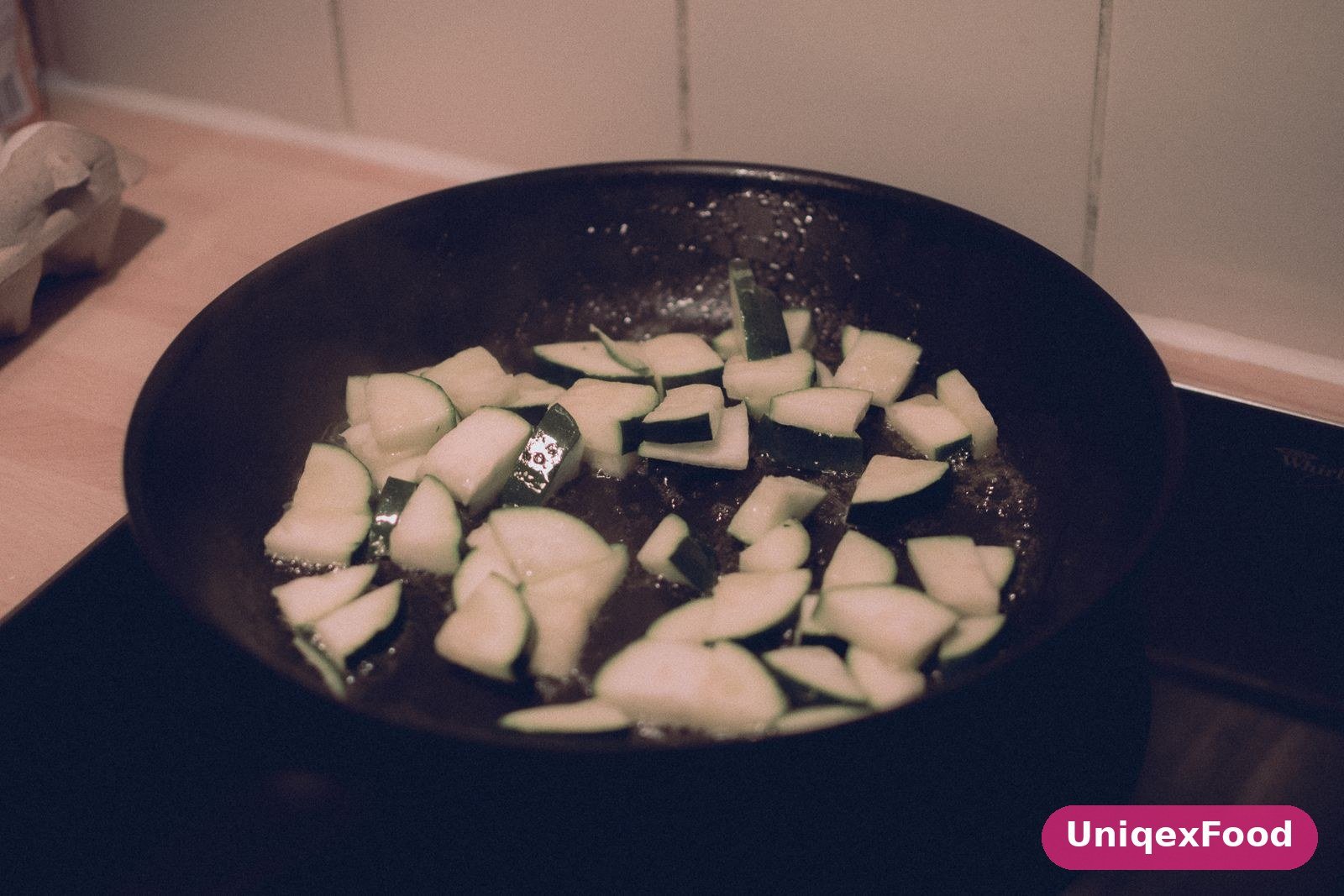
Heat a large skillet over medium-high heat and add the olive oil and the butter together. A big pan matters more than you might think, because zucchini needs space to brown, and if the slices are piled on top of each other they will steam. If your pan is small, cook in two batches rather than crowding it, it only takes a few extra minutes and the result is completely different. Let the pan get properly hot before anything goes in. You will know it is ready when the butter has melted and the foam has settled, and the oil shimmers when you tilt the pan.
Add the zucchini to the hot pan in a single layer and season it with the salt and pepper. Then, and this is the hard part, leave it alone. Do not stir it, do not shake the pan, do not poke at it to check. Let the slices sit for about three minutes until the undersides turn golden brown. The browning only happens while the slices stay in contact with the hot surface, so every stir cools the pan and starts the process over. Use this time to slice the garlic and chop the herbs if you have not already, so you are ready for the next step.
Once the first side is golden, flip the slices over with tongs or a spatula and let the second side cook for another two to three minutes. The zucchini should be tender when you poke it with a fork but still hold its shape, with a little bite left in the middle. If it is bending and flopping when you lift it, it has gone too far. It will keep cooking a little from its own heat even after it leaves the pan, so it is better to pull it a minute early than a minute late.
Now turn the heat down to medium-low and push the zucchini to the edges of the pan, making a little clear space in the middle. Add the sliced garlic to that clear spot with a tiny drizzle of extra oil if the pan looks dry, and cook it for thirty seconds, just until it smells fragrant and turns the palest gold. Stir the garlic through the zucchini as soon as it is fragrant, so it coats everything without sitting in the hot spot.
Take the pan off the heat and add the lemon zest, lemon juice, and red pepper flakes if you are using them. The lemon juice will sizzle and steam a little, and that is a good sign, it is lifting the browned bits off the bottom of the pan and carrying them up onto the zucchini. Toss everything together gently, just enough to mix, and taste a piece. This is the moment to fix the seasoning. It probably needs another pinch of salt, most vegetable dishes do, and a little more lemon juice if it tastes flat.
Scatter the chopped parsley, basil, and thyme over the top and toss once more, then serve it straight away while it is hot. The herbs go in last for a reason. The heat of the zucchini is enough to wake them up and release their smell, but if they go into the pan too early they wilt and turn dark and lose all their freshness. A shower of Parmesan is optional, but I almost always add it. Put it in a warm serving bowl if you have one, and get it to the table while it is still steaming.
Tips for Perfect Sauteed Zucchini
The single biggest tip is to use a hot pan and give the zucchini room. This is the difference between golden, lightly crisped slices and a soft, grey pile. If your pan is not big enough to hold the zucchini in one layer, cook it in two batches. I use my widest skillet for this recipe, the one that barely fits on the burner, and it is worth the washing up.
Do not salt the zucchini too early. Salt draws water out of vegetables, and if you salt sliced zucchini and leave it sitting in a bowl for ten minutes, it will weep and you will be starting with wet slices. I season it right as it goes into the pan, and then I adjust the salt at the end when I can taste the finished dish.
Cut the slices the right thickness and keep them even. A quarter of an inch is the sweet spot for this recipe. Thinner than that and the slices fall apart and turn to mush before they brown, thicker than that and they stay crunchy in the middle while the outside overcooks. If your zucchini are very large, with big soft seeds in the middle, scoop some of that seedy centre out with a spoon before slicing, because the seedy part holds the most water and goes soft first.
Watch the garlic like a hawk. Sliced garlic goes from pale gold to dark brown and bitter in about fifteen seconds, and there is no fixing it once it burns. That is why the garlic goes in at the end, on lower heat, in the middle of the pan where you can see it. If you are nervous about it, you can even take the pan off the burner entirely and let the leftover heat cook the garlic, it will still get fragrant.
Finally, serve it right away. Sauteed zucchini is at its best in the first ten minutes off the heat, when the edges are still a little crisp and the herbs are bright. As it sits, it softens and releases water, and by the time it has been sitting on the counter for half an hour it is a different dish. This is a cook-it-and-eat-it recipe, not a make-ahead one.
Variations to Try
Once you have the basic method down, this recipe is easy to change to suit whatever you have in the fridge. A Mediterranean version is my favourite change: add a handful of halved cherry tomatoes to the pan for the last two minutes, so they soften and burst a little, then finish with crumbled feta instead of Parmesan and a sprinkle of dried oregano. The tomatoes add sweetness and a little juice that turns into a light sauce, and the feta gives it a salty tang.
For a spicy version, add the red pepper flakes at the start with the oil so the heat blooms into the fat, and finish with a squeeze of lime instead of lemon and a handful of chopped coriander instead of basil. A pinch of smoked paprika in the pan gives it a warm, smoky note that goes well with grilled meat.
If you want a richer, more filling version, stir in a spoonful of butter and a handful of grated Parmesan right at the end and let it melt into a light coating over the zucchini. A splash of cream, just two or three tablespoons, turns it into something closer to a creamy side dish, and it is very good next to roast chicken or a steak.
You can also mix in other summer vegetables without changing the method. Yellow squash cooks exactly the same way and looks lovely mixed in with the green zucchini. Sliced mushrooms go well too, but add them first and let them brown before the zucchini goes in, because mushrooms release a lot of water and need more time. A handful of green beans, cut into short pieces, works if you add them a couple of minutes before the zucchini.
For a vegan version, simply leave out the butter and the Parmesan and use all olive oil. The dish loses a little richness, but a good olive oil and an extra squeeze of lemon make up for it, and a spoonful of nutritional yeast at the end gives a cheesy, savoury note if you want it.
Serving Ideas
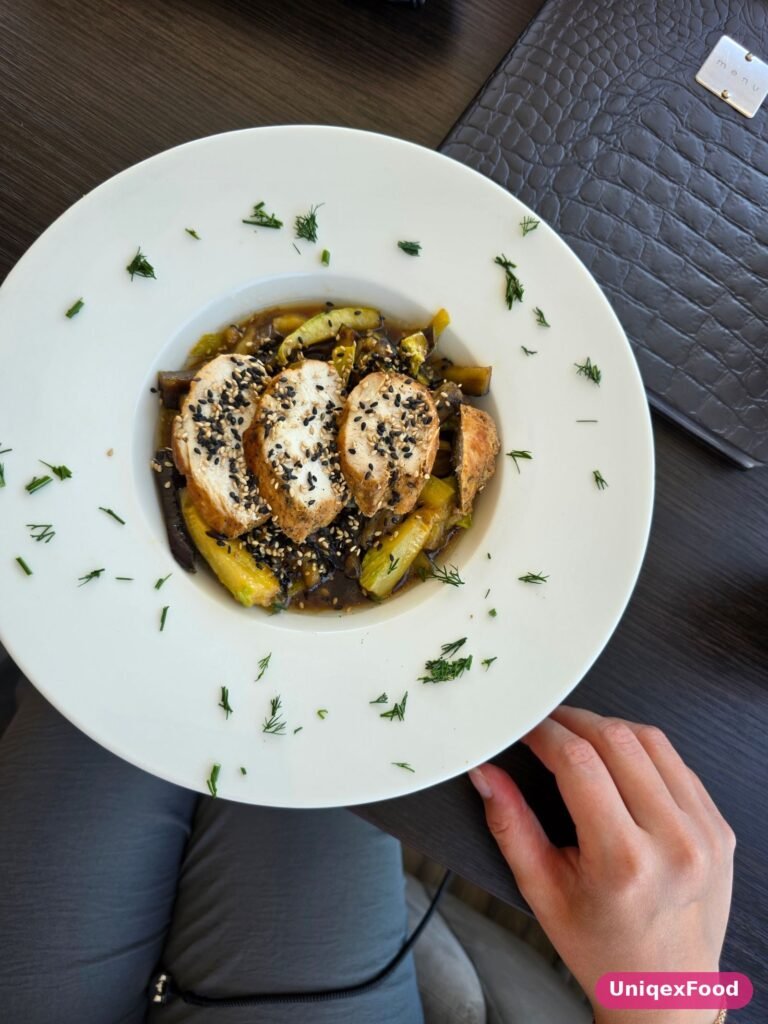
This is the side dish I reach for when I need something on the table next to grilled or roasted meat. It is very good with grilled chicken thighs or a roast chicken, because the garlic and lemon in the zucchini echo the flavours in the chicken, and the light, fresh vegetable balances the richness of the meat. It is also lovely next to a piece of grilled fish or a pan-fried salmon fillet, where the lemon and herbs fit naturally. Honestly, there is hardly a main dish it does not suit, and that is why I make it so often.
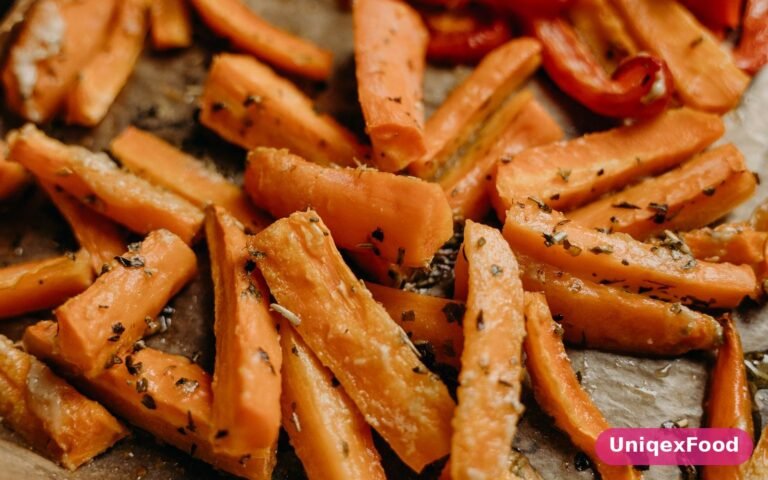
It is just as good as part of a bigger spread of vegetable sides. On nights when I am cooking a few things at once, I will put this next to a tray of garlic butter roasted carrots. For a fuller plate, a batch of crispy potato wedges made in the air fryer or crispy air fryer potatoes without flour gives you something starchy and crunchy to go with the soft, garlicky zucchini. And when dinner is a simple one-pan meal like an easy chicken dinner with frozen vegetables, this zucchini adds a fresh, homemade touch that makes the whole meal feel a little more considered. If you like roasted vegetables generally, BBC Good Food’s roasted carrots are a good companion recipe to try alongside this one.
For a lighter meal, serve it over a bowl of pasta with a little extra olive oil and Parmesan, or spoon it over rice or couscous where the juices soak in. It is very good piled onto toasted sourdough with a smear of ricotta or goat cheese, almost like a bruschetta. Leftovers, if you have any, are good stirred into scrambled eggs the next morning or folded into an omelette with a little cheese. It is a flexible dish, and once you have made it a few times you will start finding your own uses for it.
If you are serving it at a gathering, put it in a wide, shallow bowl rather than a deep one, so the slices stay spread out and do not steam each other soft while they wait. A little extra chopped parsley on top just before it goes to the table keeps it looking fresh, and a lemon wedge on the side lets people add more brightness if they want it.
Storage and Reheating
Leftovers keep well in the fridge for three to four days in an airtight container. Let the zucchini cool to room temperature first, but do not leave it sitting out for more than two hours, and then seal it up and refrigerate it. Drain off any excess liquid before reheating, or the zucchini will taste watery.
To reheat, warm it in a skillet over medium heat for three to four minutes, stirring gently, until it is hot through. The skillet is much better than the microwave for this, because the dry heat helps some of the moisture cook off and the edges firm up a little again. If you do use the microwave, heat it in short bursts of thirty seconds and stir in between, and stop as soon as it is warm, because an extra minute in the microwave will turn it to mush.
I would not freeze this dish. Zucchini is mostly water, and freezing and thawing breaks down its structure so it comes out soft and limp, nothing like the fresh version. Make what you need for the meal, keep any leftovers in the fridge for a day or two, and cook a fresh batch next time. For general guidance on how long cooked vegetables keep safely, the USDA food safety pages are a useful reference.
Frequently Asked Questions
Why does my sauteed zucchini always turn out soggy?
Soggy zucchini almost always comes down to three things: a crowded pan, heat that is too low, and too much stirring. Zucchini is full of water, and if the slices are piled up or the pan is not hot enough, that water steams out and the zucchini boils in its own liquid instead of browning. Use a large pan, cook on medium-high heat, keep the slices in a single layer, pat them dry before they go in, and leave them alone for a few minutes so they can brown.
Do I need to peel zucchini before sauteing it?
No, there is no need to peel it. The skin is thin and tender, it cooks quickly, and it helps the slices hold their shape in the pan. Just wash it well, trim the ends, and slice it up. The only time I would remove any part is the seedy centre of a very large zucchini, which can be scooped out if it looks watery, but the skin always stays on.
Can I make this with yellow squash instead of zucchini?
Yes, yellow squash works exactly the same way, and it is a nice change because it is a little sweeter and softer than green zucchini. You can use all yellow squash, or mix half green zucchini and half yellow squash, which looks beautiful in the bowl. Pat it dry the same way, season it the same way, and finish it with the same garlic, lemon, and herbs.
When should I add the garlic so it does not burn?
Add the garlic near the end, after the zucchini is browned and the heat is turned down. Garlic burns very quickly in a hot pan, and burnt garlic tastes bitter and will spoil the whole dish. I push the zucchini to the sides of the pan, add the sliced garlic to the middle on medium-low heat, and cook it for about thirty seconds until it smells fragrant and turns the palest gold, then stir it through.
Can I make sauteed zucchini ahead of time?
You can, but it is not at its best. This is a dish that is meant to be cooked and eaten straight away, while the edges are still a little crisp and the herbs are fresh. If you do need to make it ahead, cook it until it is just barely done, a little undercooked, and then reheat it quickly in a hot skillet for two to three minutes just before serving. It will be softer than the fresh version, but still tasty, especially if you add a fresh squeeze of lemon and a pinch of chopped herbs after reheating.
What goes well with sauteed zucchini?
Almost anything, which is why it is such a useful recipe. It is very good with grilled chicken, roast pork, steak, or a piece of fish, and it sits happily next to pasta, rice, or a baked potato. It works as part of a barbecue spread, on a holiday table, or as a light lunch on toast with ricotta. For a simple weeknight dinner, pair it with a roast chicken and a starchy side like potatoes or bread, and you have a complete meal with very little effort.