Easy Chicken Dinner with Frozen Vegetables – A Quick, Healthy, and Delicious One-Pan Meal
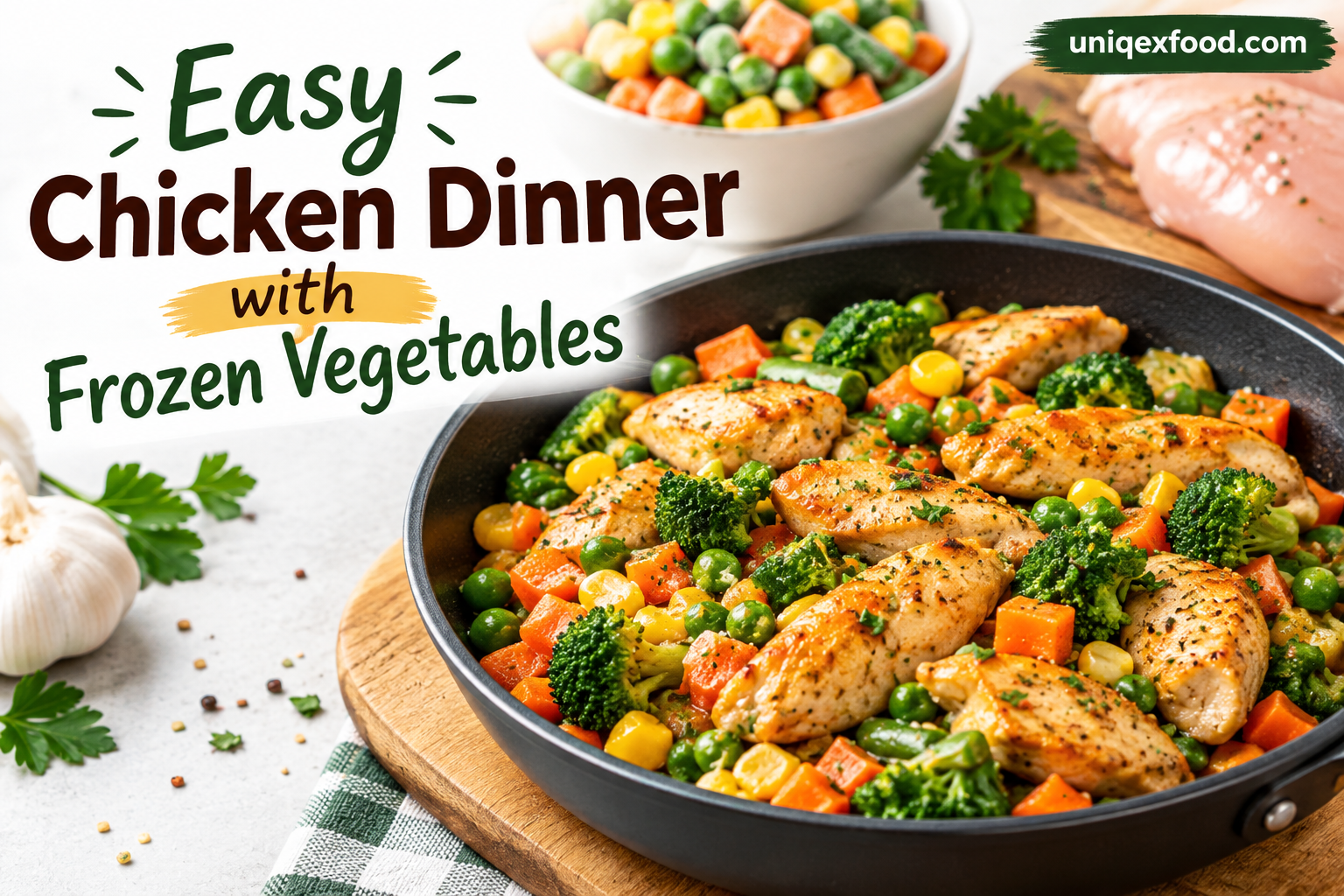
If you’re looking for an easy chicken dinner with frozen vegetables that is delicious, affordable, and simple to prepare, this recipe is just what you need. Whether you’re cooking for your family after a long day, preparing a quick weeknight meal, or trying to use ingredients already in your freezer, this chicken and vegetable dinner is a practical solution. It combines tender, juicy chicken with colorful vegetables and flavorful seasonings to create a satisfying meal without requiring complicated cooking techniques.
One of the best things about this recipe is that you don’t need fresh vegetables or expensive ingredients. Frozen vegetables are convenient, nutritious, and available throughout the year. When combined with chicken, garlic, olive oil, and a few pantry seasonings, they make a complete meal that tastes homemade and comforting.
This easy chicken dinner with frozen vegetables is perfect for busy families, beginners, students, and anyone who wants to spend less time in the kitchen. You can prepare it in one skillet, which means fewer dishes to wash and more time to enjoy your evening. With a few simple steps, you’ll have a warm, flavorful dinner on the table in about 30 minutes.
Why You’ll Love This Easy Chicken Dinner with Frozen Vegetables
There are plenty of reasons to make this chicken and frozen vegetable recipe part of your regular meal rotation. It’s simple, flexible, budget-friendly, and easy to customize according to your family’s preferences.
Quick and easy to prepare: This recipe takes approximately 30 minutes from start to finish. You don’t need advanced cooking skills or complicated kitchen equipment.
Uses convenient frozen vegetables: Frozen vegetables eliminate the need for washing, peeling, and chopping. You can use a ready-made vegetable mix straight from your freezer.
Made with simple ingredients: Most of the ingredients are everyday kitchen staples, including chicken, olive oil, garlic, salt, pepper, and common seasonings.
Perfect for busy weeknights: When you don’t have much time to prepare dinner, this one-pan meal offers a convenient way to serve something satisfying.
Easy to customize: You can change the vegetables, seasonings, and even the type of chicken to suit your taste.
Fewer dishes to wash: Everything cooks in one large skillet, making cleanup much easier.
Great for meal preparation: Leftovers can be stored and reheated for lunch or dinner the following day.
Ingredients You’ll Need
You only need a handful of basic ingredients to make this easy chicken dinner with frozen vegetables. Each ingredient adds flavor, texture, or moisture to the finished dish.
Ingredients (Serves 4)
- 1 pound boneless, skinless chicken breasts, cut into bite-sized pieces
- 2 cups frozen mixed vegetables
- 1 small onion, finely chopped
- 3 cloves garlic, minced
- 2 tablespoons olive oil
- 1/2 teaspoon paprika
- 1/2 teaspoon Italian seasoning
- 1/2 teaspoon onion powder
- 1/2 teaspoon black pepper
- 3/4 teaspoon salt, or to taste
- 1/2 cup low-sodium chicken broth
- 1 tablespoon lemon juice
- 1 tablespoon butter (optional)
- 2 tablespoons chopped fresh parsley (optional)
You can find most of these ingredients at any grocery store. Frozen mixed vegetables containing carrots, peas, green beans, and corn work particularly well because they provide a combination of colors, textures, and natural sweetness.
If you prefer a richer flavor, add a little butter near the end of cooking. For a lighter meal, simply leave it out.
Equipment Needed
You don’t need any special equipment to prepare this recipe. A few basic kitchen tools are enough.
- A large nonstick or stainless-steel skillet
- A sharp kitchen knife
- A cutting board
- A wooden spoon or spatula
- Measuring spoons and cups
- A meat thermometer for checking the chicken’s internal temperature
A large skillet with a lid is particularly useful because it allows the chicken and vegetables to cook evenly while keeping the meal moist.
How to Make Easy Chicken Dinner with Frozen Vegetables
This recipe is straightforward and beginner-friendly. Follow these simple steps to prepare juicy chicken with tender vegetables and a flavorful garlic-seasoned sauce.
Step 1: Prepare the chicken
Start by cutting the chicken breasts into evenly sized bite-sized pieces. Keeping the pieces approximately the same size helps them cook at a similar rate.
Pat the chicken dry using paper towels. This helps the chicken develop a better golden-brown surface when cooked.
Place the chicken in a bowl and season it with salt, black pepper, paprika, Italian seasoning, and onion powder. Toss everything together until the chicken is evenly coated.
Step 2: Heat the skillet
Place a large skillet over medium-high heat and add the olive oil. Allow the oil to heat for a few seconds until it becomes slightly shimmering.
Add the seasoned chicken pieces in a single layer. Avoid overcrowding the skillet because too many pieces can release moisture and prevent proper browning. If necessary, cook the chicken in batches.
Cook the chicken for approximately 4–6 minutes, turning occasionally, until the outside is golden brown. The chicken does not need to be fully cooked at this stage because it will finish cooking later with the vegetables.
Transfer the chicken to a clean plate and set it aside.
Step 3: Cook the onion and garlic
Using the same skillet, add the chopped onion. Cook for about 2–3 minutes, stirring occasionally, until the onion softens.
Add the minced garlic and cook for another 30 seconds until fragrant. Be careful not to burn the garlic, as it can develop a bitter taste.
The browned bits left in the skillet from cooking the chicken will add extra flavor to the vegetables and sauce.
Step 4: Add the frozen vegetables
Add the frozen mixed vegetables directly to the skillet. There is usually no need to thaw them beforehand.
Stir the vegetables with the onion and garlic, allowing them to cook for approximately 3–5 minutes. The exact cooking time will depend on the size and type of vegetables.
If the vegetables release a little moisture, allow some of it to evaporate before continuing. Avoid cooking them for too long because they will soften further when combined with the chicken.
Step 5: Add chicken broth
Pour the chicken broth into the skillet and gently stir to combine it with the vegetables.
Use your spatula to loosen any flavorful browned bits from the bottom of the skillet. These bits help create a delicious base for the sauce.
Bring the broth to a gentle simmer. You can add a little more black pepper or Italian seasoning if you prefer a stronger flavor.
Step 6: Return the chicken to the skillet
Add the partially cooked chicken back to the skillet, including any juices that have collected on the plate, provided the plate was used safely for the cooked chicken.
Stir everything together so the chicken is evenly distributed among the vegetables.
Reduce the heat to medium-low, cover the skillet, and cook for approximately 5–8 minutes, or until the chicken reaches an internal temperature of 165°F (74°C) at its thickest point.
Use a food thermometer to confirm doneness rather than relying only on the cooking time.
Step 7: Finish with lemon juice and butter
Once the chicken is fully cooked and the vegetables are tender, remove the lid.
Add the lemon juice and optional butter. Stir gently until the butter melts and combines with the broth, creating a light, flavorful sauce.
Taste the dish and adjust the salt, pepper, or seasonings as needed.
If the sauce seems too thin, simmer uncovered for another 1–2 minutes to reduce it slightly. Avoid overcooking the vegetables.
Step 8: Garnish and serve
Turn off the heat and sprinkle fresh chopped parsley over the chicken and vegetables, if desired.
Serve immediately while everything is warm. You can enjoy the dish on its own or pair it with rice, pasta, mashed potatoes, or warm bread.
Tips for Making the Best Chicken Dinner with Frozen Vegetables
A few simple cooking techniques can make a noticeable difference in the final flavor and texture of this recipe.
Don’t thaw the vegetables unnecessarily: Most frozen mixed vegetables can go straight into the skillet. Thawing them beforehand may make them release additional moisture, resulting in softer vegetables.
Cut the chicken evenly: Similar-sized chicken pieces cook more consistently. Smaller pieces also allow the seasoning to coat more of the chicken.
Brown the chicken first: Allowing the chicken to develop a golden surface adds depth of flavor to the finished dish.
Avoid overcrowding the pan: If your skillet is too full, cook the chicken in batches. This helps prevent steaming and encourages browning.
Use low-sodium chicken broth: This gives you greater control over the salt level while still adding moisture and flavor.
Don’t overcook the vegetables: Frozen vegetables are often partially blanched before freezing. They generally need less cooking time than raw vegetables.
Check the internal temperature: Chicken should reach 165°F (74°C) to be considered safely cooked. A meat thermometer is the most reliable way to check.
Which Frozen Vegetables Work Best?
One of the biggest advantages of this recipe is that you can use almost any frozen vegetable combination you have available.
- Mixed vegetables: Carrots, peas, corn, and green beans offer a colorful, balanced combination.
- Broccoli: Frozen broccoli florets add a slightly earthy flavor and pair well with garlic and lemon.
- Cauliflower: This vegetable absorbs the flavors of the broth and seasonings.
- Bell peppers: Frozen sliced peppers add sweetness and color.
- Green beans: These provide a pleasant texture and work particularly well with chicken.
- Spinach: Frozen spinach can add extra greens. Thaw and squeeze out excess water before adding it to the skillet.
You can also combine two or three different types of vegetables to create your own mix. Just remember that vegetables with different sizes and textures may require slightly different cooking times.
What to Serve with Chicken and Frozen Vegetables
Although this easy chicken dinner with frozen vegetables can be served as a complete meal, pairing it with a side dish can make it more filling.
Steamed rice: Fluffy white or brown rice absorbs the savory chicken broth and makes a satisfying accompaniment.
Mashed potatoes: Creamy mashed potatoes complement the tender chicken and vegetables, especially when served with the pan sauce.
Pasta: Serve the chicken and vegetables over cooked pasta for a hearty dinner. A little grated Parmesan cheese can add extra flavor.
Garlic bread: Warm garlic bread is ideal for soaking up the light, buttery sauce.
Quinoa: If you want an alternative to rice, cooked quinoa adds a slightly nutty flavor and a different texture.
Fresh salad: A simple green salad with a light vinaigrette can balance the warm, savory flavors of the skillet meal.
For a particularly easy dinner, serve the chicken and vegetables over rice that you prepared in advance.
Easy Variations to Try
You can easily adjust this recipe to create different flavors without changing the basic cooking method.
Creamy Chicken and Frozen Vegetables
For a creamy version, stir in 1/4 cup of cream cheese or 1/3 cup of heavy cream after the chicken is fully cooked. Heat gently until the sauce is smooth and warm.
You can also add a little grated Parmesan cheese for a richer flavor. Avoid boiling the sauce vigorously after adding dairy.
Cheesy Chicken and Vegetables
If you enjoy cheesy dinners, sprinkle 1/2 cup of shredded cheddar or mozzarella over the chicken and vegetables near the end of cooking.
Cover the skillet for a minute or two until the cheese melts. This creates a comforting, cheesy meal that pairs especially well with rice or pasta.
Spicy Chicken and Frozen Vegetables
For a little heat, add 1/4 teaspoon of red pepper flakes or a small amount of cayenne pepper to the seasoning mixture.
You can also add a dash of hot sauce before serving. Adjust the amount according to your preferred spice level.
Lemon Garlic Chicken and Vegetables
For a fresher flavor, increase the lemon juice slightly and add a little lemon zest just before serving.
Fresh parsley and extra garlic complement this variation, making it a good option for those who enjoy bright, citrusy flavors.
Chicken and Vegetable Rice Skillet
For a one-pan chicken and rice dinner, add 1 cup of rinsed long-grain white rice and approximately 2 cups of chicken broth to the skillet before returning the chicken.
Bring the mixture to a simmer, cover, and cook according to the rice package instructions, adding the frozen vegetables at a suitable point so they don’t become mushy. Adjust the liquid and cooking time to suit the rice variety, and check that the chicken reaches 165°F (74°C).
Can You Use Frozen Chicken?
Yes, frozen chicken can be used, but it should be completely thawed safely before following this particular skillet recipe.
The easiest approach is to thaw chicken in the refrigerator overnight. You can also use the microwave’s defrost setting if you plan to cook it immediately afterward.
Avoid leaving chicken at room temperature to thaw because this can allow harmful bacteria to multiply.
Once the chicken has thawed, pat it dry, cut it into evenly sized pieces, and follow the recipe as directed.
How to Store Leftovers
If you have leftover chicken and frozen vegetables, proper storage will help maintain their quality and safety.
Allow the food to cool slightly, then transfer it to an airtight container and refrigerate promptly. Refrigerate within two hours of cooking, or within one hour if the surrounding temperature is above 90°F (32°C).
Store leftovers in the refrigerator for up to 3–4 days.
For longer storage, place the cooled chicken and vegetables in a freezer-safe container or freezer bag. Freeze for up to 2–3 months for best quality.
Label the container with the date so you can easily keep track of how long it has been stored.
How to Reheat Chicken and Frozen Vegetables
Reheating this meal properly helps preserve its texture and flavor.
On the stovetop: Place the leftovers in a skillet with a tablespoon or two of chicken broth or water. Heat over medium-low heat, stirring occasionally, until the food is steaming hot and reaches 165°F (74°C).
In the microwave: Transfer a portion to a microwave-safe dish. Cover loosely and heat in short intervals, stirring between each interval to distribute the heat evenly. Continue until the food reaches 165°F (74°C).
From frozen: For the best texture, thaw the meal in the refrigerator before reheating. You can also reheat it directly from frozen, provided it heats evenly all the way through and reaches 165°F (74°C).
Only reheat the portion you plan to eat, as repeated cooling and reheating can affect quality and food safety.
Common Mistakes to Avoid
Even though this recipe is easy, a few common mistakes can affect the final result.
- Adding too much liquid: Frozen vegetables release moisture as they cook. Too much broth can make the dish watery, so start with the recommended amount.
- Overcooking the chicken: Chicken breast can become dry if cooked for too long. Cut it evenly and use a thermometer to check when it is done.
- Cooking vegetables for too long: Excessive cooking can make frozen vegetables soft and mushy. Add them at the recommended stage and monitor their texture.
- Skipping the seasoning: Chicken and vegetables both benefit from properly balanced seasoning. Taste the dish before serving and adjust as needed.
- Using a cold skillet: Adding chicken before the oil is hot enough can prevent proper browning. Preheat the skillet over medium-high heat before adding the chicken.
- Forgetting to stir: Stirring occasionally helps distribute the seasonings and prevents ingredients from sticking to the bottom of the pan.
Frequently Asked Questions
Can I make an easy chicken dinner with frozen vegetables in one pan?
Yes. This recipe is designed to be prepared in one large skillet. You brown the chicken, cook the aromatics and vegetables, then return the chicken to the pan to finish cooking. It saves time and reduces cleanup.
Do I need to thaw frozen vegetables before cooking?
No. You can add most frozen vegetables directly to the skillet. Cooking them from frozen is convenient and helps reduce preparation time. You may need to cook off some excess moisture as they heat.
Is chicken breast or chicken thigh better for this recipe?
Both work well. Chicken breast has a leaner texture and cooks relatively quickly, while boneless, skinless chicken thighs tend to remain juicy and have a richer flavor. Whichever you choose, make sure the chicken reaches an internal temperature of 165°F (74°C).
Can I make this recipe without chicken broth?
Yes. You can replace chicken broth with water, although the flavor will be milder. Adding a little extra garlic, onion powder, Italian seasoning, or a small amount of butter can help build flavor.
Can I prepare this meal ahead of time?
Yes. You can cut and season the chicken in advance and keep it refrigerated in a covered container until you’re ready to cook. You can also prepare the vegetables and measure out your seasonings ahead of time. Cooked leftovers should be refrigerated promptly and used within 3–4 days.
Can I make this recipe dairy-free?
Absolutely. The main recipe is naturally dairy-free if you leave out the optional butter. Use olive oil instead and check the ingredient labels on your chicken broth and seasonings to ensure they meet your dietary requirements.
What can I add to make the sauce thicker?
You can mix 1 teaspoon of cornstarch with 1 tablespoon of cold water and stir it into the gently simmering sauce. Cook for another minute or two until the sauce thickens. Add a little more slurry if necessary, but avoid making the sauce overly thick.
Can I use leftover cooked chicken?
Yes. If you’re using fully cooked leftover chicken, skip the initial chicken-browning step. Cook the onion, garlic, and frozen vegetables first, add the broth, then stir in the cooked chicken near the end and heat it until it reaches 165°F (74°C).
Easy Chicken Dinner with Frozen Vegetables Recipe Card

Easy Chicken Dinner with Frozen Vegetables
A simple one-pan chicken dinner with tender vegetables, garlic, and a light savory sauce.
Prep time
10 minutes
Cook time
20 minutes
Total time
30 minutes
Servings
4
Cooking method
Stovetop
Difficulty
Easy
Ingredients
- 1 lb boneless, skinless chicken breasts, cubed
- 2 cups frozen mixed vegetables
- 1 small onion, chopped
- 3 cloves garlic, minced
- 2 tbsp olive oil
- 1/2 tsp paprika
- 1/2 tsp Italian seasoning
- 1/2 tsp onion powder
- 1/2 tsp black pepper
- 3/4 tsp salt
- 1/2 cup low-sodium chicken broth
- 1 tbsp lemon juice
- 1 tbsp butter, optional
- Fresh parsley, optional
Instructions
- Season the chicken with paprika, Italian seasoning, onion powder, salt, and pepper.
- Heat olive oil in a large skillet over medium-high heat. Brown the chicken for 4–6 minutes, then transfer to a plate.
- Cook the chopped onion for 2–3 minutes. Add garlic and cook for another 30 seconds.
- Add the frozen vegetables and cook for 3–5 minutes, stirring occasionally.
- Pour in the chicken broth and bring to a gentle simmer.
- Return the chicken to the skillet, cover, and cook for 5–8 minutes, until it reaches 165°F (74°C) internally.
- Stir in lemon juice and optional butter. Adjust seasoning and garnish with parsley before serving.
Food safety note: Cooking time varies with the size of the chicken pieces and the heat of the stove. Always verify doneness with a food thermometer.
Final Thoughts
This easy chicken dinner with frozen vegetables is a practical recipe for anyone who wants a delicious homemade meal without spending hours in the kitchen. With tender chicken, colorful vegetables, simple seasonings, and a light garlic-infused sauce, it delivers comforting flavor using ingredients that are easy to keep on hand.
The recipe is flexible enough to suit different tastes and schedules. You can make it creamy, cheesy, spicy, or citrusy with just a few small changes. Serve it with rice, pasta, potatoes, or bread to create a filling meal that works for lunch or dinner.
Whether you’re cooking for your family, preparing a meal for two with leftovers, or looking for a quick way to use frozen vegetables, this one-pan chicken dinner is an easy recipe to return to whenever you need something simple, satisfying, and homemade.