Peruvian Roasted Potatoes with Aji Verde
There are roasted potatoes, and then there are these roasted potatoes. The kind that come out of the oven so golden and crackly that people start picking at them straight off the tray before they ever make it to the table. That is exactly what happens with Peruvian roasted potatoes, and once you add aji verde — that bright green, herby, slightly spicy Peruvian sauce — they stop being a side dish and become the thing everyone asks about.
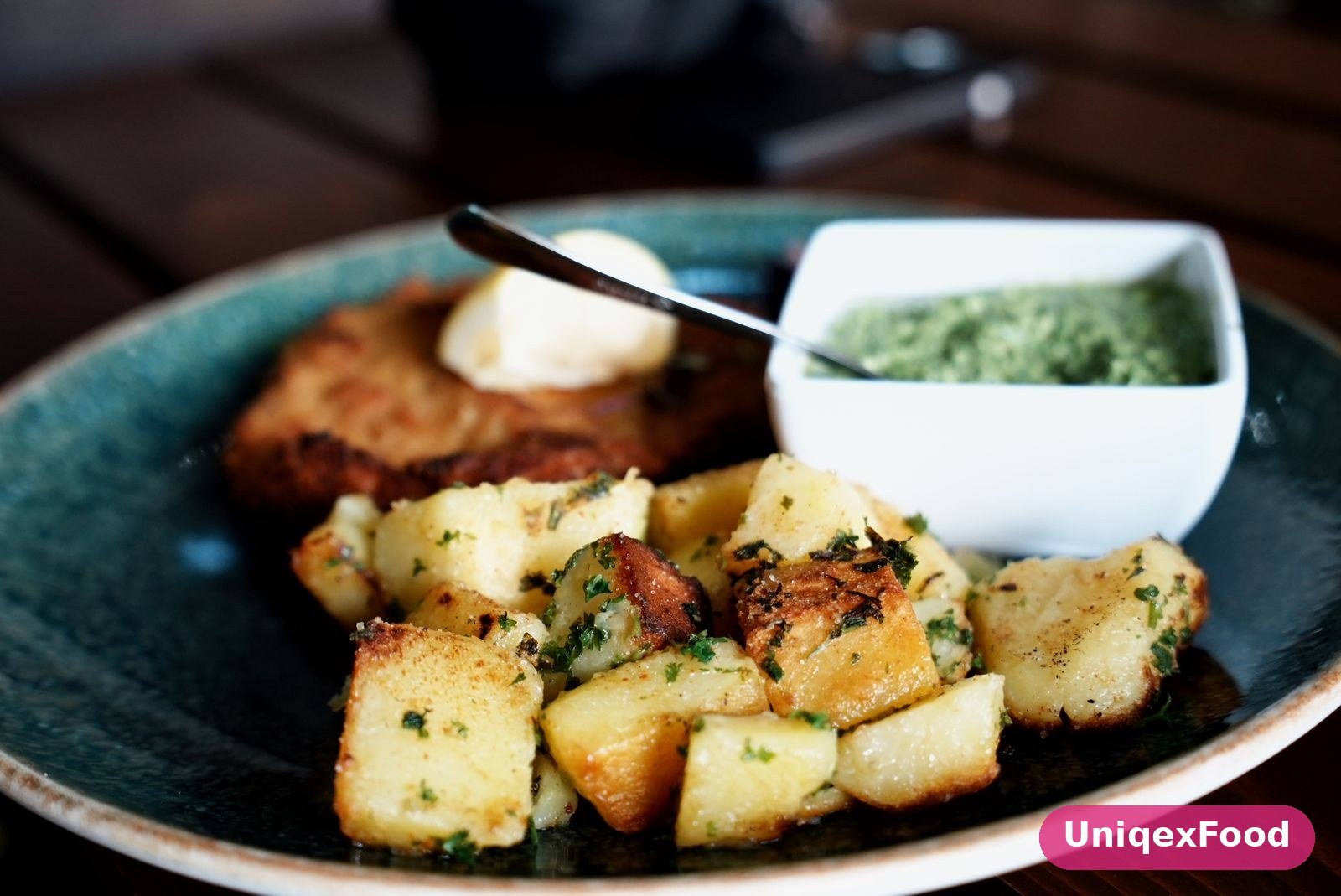
I first had a version of this dish at a small Peruvian restaurant years ago, tucked next to a plate of grilled chicken. Honestly, I barely remember the chicken. What I remember is the potatoes: crisp edges, soft middles, and that vivid green sauce drizzled over the top, cool and creamy with a little kick at the end. I went home and spent the next few weekends trying to get it right, and this recipe is the result of all that tinkering. It is simple food, but it is the kind of simple that takes a little care — and the payoff is absolutely worth it.
The beauty of this recipe is that it does not ask much of you. A bag of potatoes, a hot oven, a handful of pantry spices, and five minutes with a blender for the sauce. In under an hour you have a side dish that works with almost anything: roast chicken, grilled fish, a steak, or honestly just a big bowl of these on their own with extra sauce for dipping. If you have never cooked Peruvian food before, this is a wonderful place to start.
Why These Potatoes Work So Well
Peruvian cuisine has a deep love affair with the potato, and for good reason — Peru is where the potato comes from, with thousands of native varieties grown in the Andes. So when Peruvians roast potatoes, they know what they are doing. The approach is not complicated, but every step has a purpose.
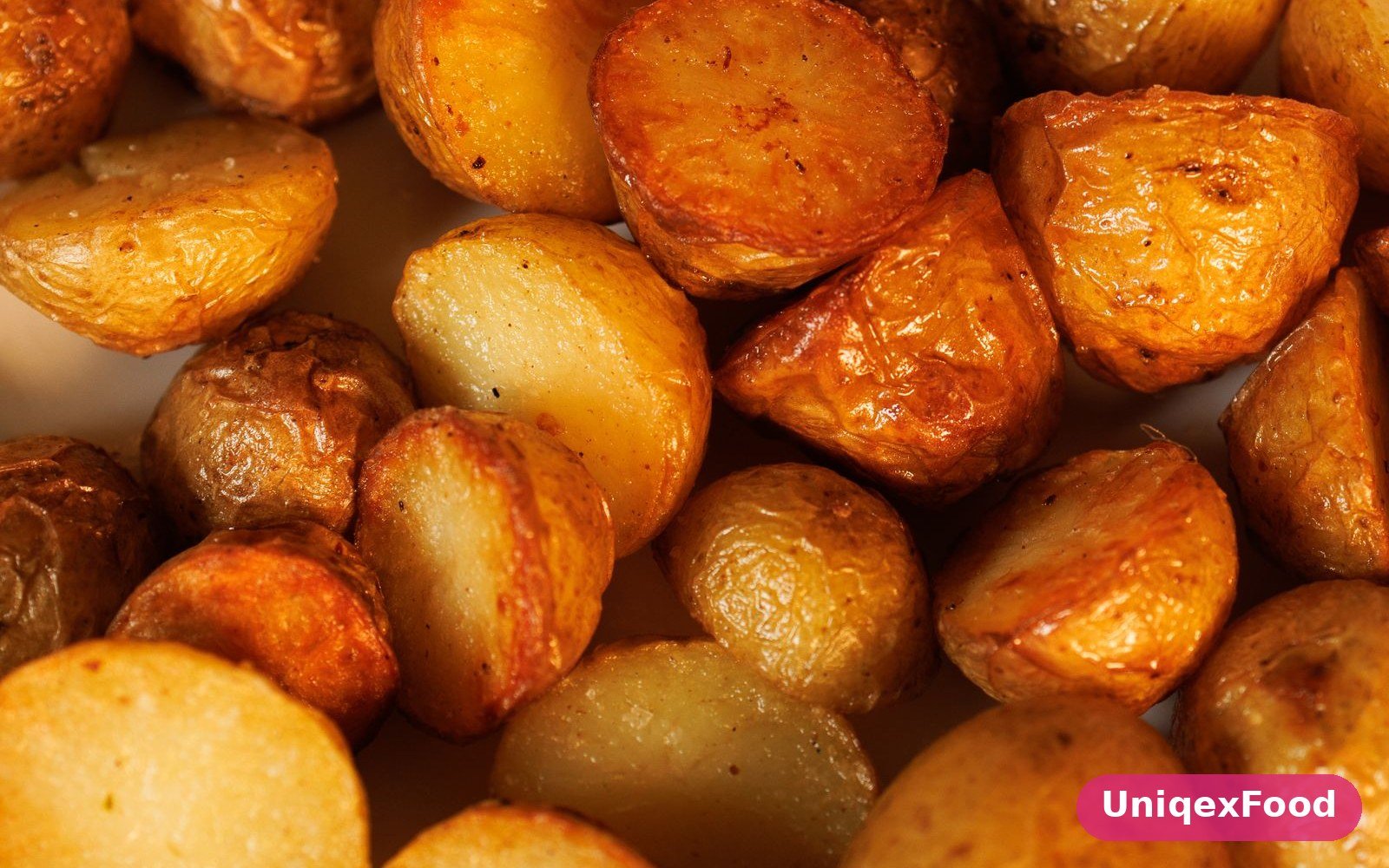
First, the potatoes get a quick parboil before they hit the oven. This is the step most people skip, and it is the step that makes the biggest difference. Boiling the cut potatoes for a few minutes softens the outside just enough that it gets fluffy and rough when you drain and shake them. Those rough edges are what turn into the shatteringly crisp crust in the oven. Skip the parboil and you get potatoes that are fine — browned on the outside, cooked inside — but never truly crispy.
Second, the oven is HOT. We are talking 425°F (220°C), with the baking sheet preheated in the oven while the potatoes boil. When the potatoes land on that hot, oiled tray, they start sizzling immediately instead of slowly warming up and steaming. That instant heat is what builds the crust.
Third, the seasoning is warm and earthy rather than plain salt and pepper. A little cumin, a little smoked paprika, garlic — the kind of flavours that nod to Peruvian cooking without needing any ingredient you cannot find at a regular supermarket. And then the aji verde on top brings the freshness: cilantro, lime, jalapeño, a little garlic, blended with mayonnaise and a touch of sour cream or Greek yoghurt until it is smooth, green, and spoonable.
If you enjoy roasted vegetables in general, you will probably also like our Honey Glazed Roasted Brussels Sprouts — same idea of a simple vegetable turned into something special, just with a sweet glaze instead of a spicy green sauce.
What Is Aji Verde?
Aji verde literally means “green chilli” in Spanish, and it is one of the most beloved sauces in Peru. You will find it on tables everywhere, next to roast chicken (pollo a la brasa), grilled meats, sandwiches, and fried plantains. Every family has their own version, but the core is always the same: fresh cilantro, green chillies, lime, garlic, and something creamy to bring it together.
Traditionally, the chilli is aji amarillo, a yellow Peruvian chilli with a fruity heat. Outside Peru it can be hard to find fresh, so this recipe uses jalapeño instead, which gives you the same fresh green heat and is available everywhere. If you do happen to find aji amarillo paste at a Latin grocery store, one or two tablespoons in place of the jalapeño is a lovely swap — it adds a subtle fruitiness that is hard to describe until you taste it. You can read more about the chilli itself on Wikipedia’s page on aji amarillo if you are curious about where it comes from.
The sauce takes about five minutes in a blender and it keeps well in the fridge for up to five days, which means you can make it ahead and it actually tastes better the next day, once the flavours have had a night to get to know each other. I often make a double batch on purpose. It goes on everything: eggs in the morning, grilled chicken at lunch, a sandwich that needs waking up. Fair warning — once you have a jar of this in the fridge, plain ketchup starts to feel like a missed opportunity.
Peruvian food in general is a wonderful mix of Indigenous Andean ingredients, Spanish influence, and later waves of Chinese, Japanese, and African cooking. If you want a quick background on how all of that came together, Peruvian cuisine on Wikipedia is a good place to start. But you do not need a history lesson to enjoy this dish — you just need a blender and an appetite.
Ingredients
This recipe serves 4 as a side dish, or 2 very enthusiastic people as a main with a salad. Everything is easy to find, and I have included swaps where they matter.
For the potatoes
- 2 lbs (about 900g) Yukon Gold potatoes, scrubbed and cut into 1½-inch chunks
- 1 tablespoon baking soda (for the parboil — this is the crispiness trick)
- 3 tablespoons olive oil, plus a little more for the tray
- 1 teaspoon ground cumin
- 1 teaspoon smoked paprika
- ½ teaspoon garlic powder
- ½ teaspoon onion powder
- ¾ teaspoon fine sea salt, plus more to taste
- ½ teaspoon black pepper
- 2 cloves garlic, thinly sliced (optional, for the last 10 minutes)
- Fresh cilantro leaves, to serve
- Lime wedges, to serve
For the aji verde
- 1 cup fresh cilantro leaves and tender stems, packed
- 1 jalapeño, seeds removed for mild or left in for heat
- 2 cloves garlic
- ¼ cup mayonnaise
- ¼ cup sour cream or Greek yoghurt
- Juice of 1 lime (about 2 tablespoons)
- 1 tablespoon olive oil
- ½ teaspoon salt
- 2–3 tablespoons water, to loosen
Choosing your potatoes
Yukon Golds are my first choice here because they hit the sweet spot: waxy enough to hold their shape, starchy enough to fluff up on the outside. Russets also work well and get very crispy, though they can fall apart a little more if you overboil them, so keep an eye on the timer. Red potatoes are fine too, but they stay firmer and never get quite as fluffy inside. Honestly, whatever you have will make a good dinner — but if you are buying specially, grab the Yukon Golds.
Cut the potatoes into roughly even chunks, about 1½ inches. Even sizing matters more than exact sizing: pieces that are all the same size cook at the same rate, so you do not end up with some burnt and some pale. Leave the skin on. It crisps up beautifully and saves you a peeling job.
How to Make Peruvian Roasted Potatoes with Aji Verde
Step 1: Preheat and prepare
Put a large rimmed baking sheet in the oven and preheat to 425°F (220°C). The hot tray is part of the method, not an optional extra, so do this first and let it heat up properly while you work. Meanwhile, bring a large pot of water to a boil and add the baking soda — it will fizz a little, which is normal.
Step 2: Parboil the potatoes
Drop the potato chunks into the boiling water and cook for 7 to 8 minutes, until the edges are just tender when you poke one with a knife but the centre still has some resistance. You want them cooked on the outside and barely underdone in the middle. Drain them in a colander and let them steam for a minute, then shake the colander firmly a few times. You will see the edges go rough and floury — that is exactly what you want. Leave them to steam dry for another couple of minutes. Dry surfaces crisp; wet surfaces steam.
Step 3: Season generously
Tip the potatoes into a large bowl and drizzle over the olive oil. Sprinkle in the cumin, smoked paprika, garlic powder, onion powder, salt, and pepper, then toss gently but thoroughly. Every piece should be coated in oil and spice. If you toss too hard at this stage you will knock off the rough edges you just created, so be firm but gentle.
Step 4: Roast until deeply golden
Carefully pull the hot baking sheet from the oven and drizzle a little more oil over it. Spread the potatoes in a single layer, giving each piece some space. Crowding is the enemy of crispiness — if the tray is packed, the potatoes steam each other instead of roasting. Use two trays if you need to. Roast for 25 minutes, then flip each piece and roast for another 15 to 20 minutes, until the potatoes are deeply golden and crisp all over. If you are adding the sliced garlic, scatter it over the tray for the last 10 minutes so it turns golden rather than bitter and burnt.
Step 5: Make the aji verde
While the potatoes roast, make the sauce. Put the cilantro, jalapeño, garlic, mayonnaise, sour cream, lime juice, olive oil, and salt in a blender and blend until completely smooth, about 30 to 45 seconds. Add water a tablespoon at a time until it reaches a pourable, drizzle-friendly consistency — thick enough to coat a spoon, thin enough to fall off it in a ribbon. Taste and adjust: more lime if it needs brightness, more salt if it tastes flat, a little more jalapeño if you want more heat. This is your sauce, so make it taste like you want it to.
Step 6: Serve
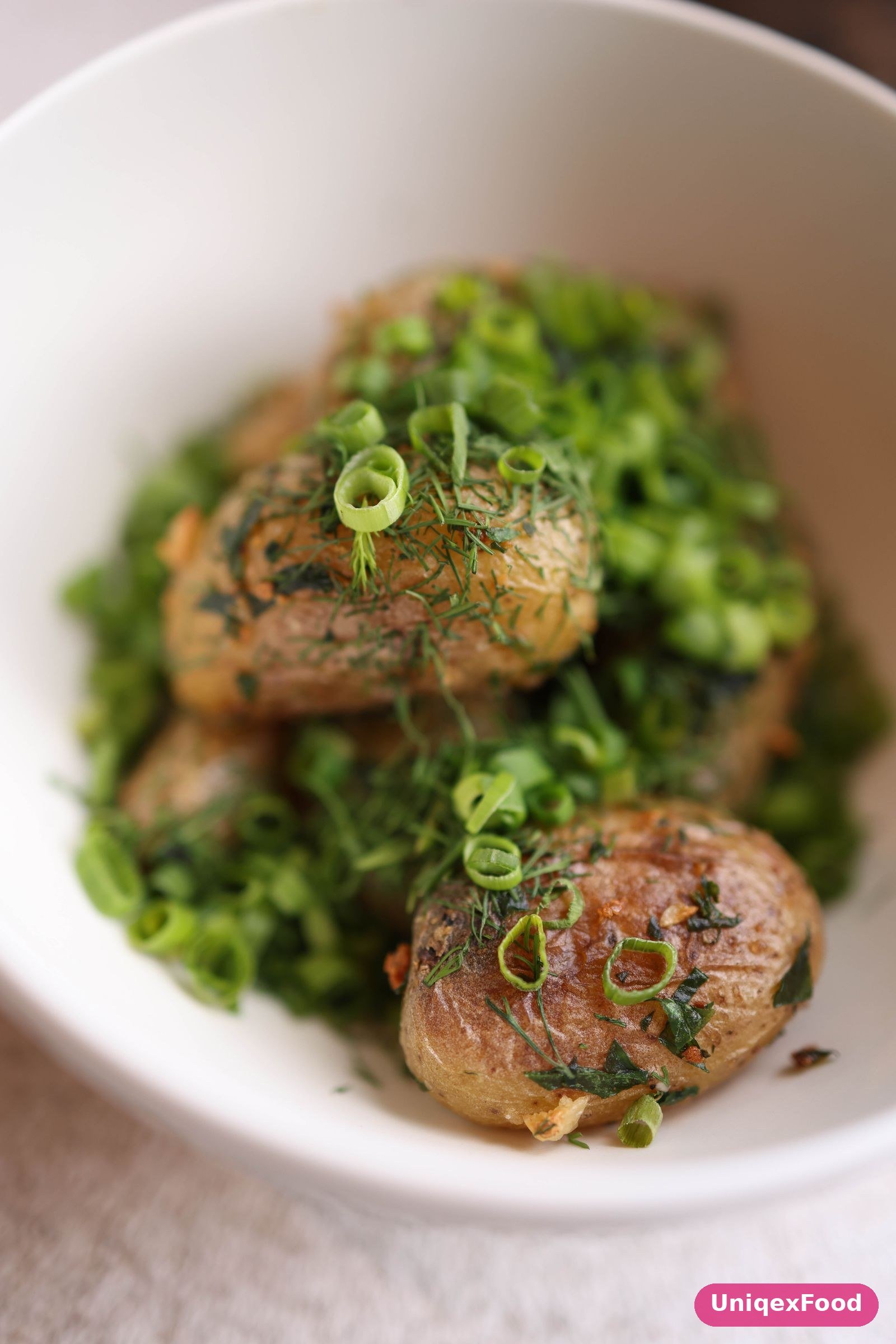
Tip the potatoes onto a serving platter or into a wide bowl. Drizzle generously with aji verde — or serve the sauce on the side in a small bowl for dipping, which is my preference when there are kids at the table who like to control their own spice level. Scatter over fresh cilantro and tuck lime wedges around the edge. Eat while they are hot, because roasted potatoes wait for no one.
Tips for the Crispiest Potatoes
After making this more times than I can count, here are the things that actually move the needle. First, do not skip the baking soda in the parboil. It raises the pH of the water, which breaks down the potato surface more effectively and creates that fluffy, craggy exterior. It sounds like a strange trick, but it is the single biggest upgrade you can make to any roast potato.
Second, give the potatoes room. A single layer with space between pieces is non-negotiable. If your tray is full, use a second tray. It is better to wash one more pan than to eat soggy potatoes.
Third, resist the urge to move them around too much. Let them sit undisturbed for the first 25 minutes so a proper crust forms on the bottom. The flip is the only move they need. If a potato sticks to the tray, it is not ready to be flipped yet — give it another few minutes and it will release on its own.
Fourth, season twice. The spices go on before roasting, but a final sprinkle of flaky salt right when they come out of the oven wakes everything up. Salt on hot, crisp potatoes tastes completely different from salt that has been in the oven for 40 minutes.
Finally, serve them immediately. Roasted potatoes are at their best in the first ten minutes out of the oven. If you need to hold them for a little while, spread them on a wire rack rather than leaving them on the hot tray, where the bottoms will soften from trapped steam.
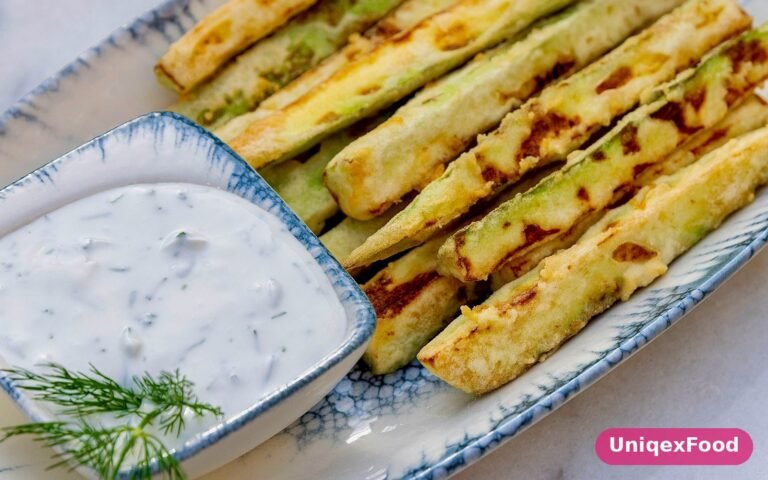
For another take on the same golden-crisp idea, our Baked Zucchini Fries with Parmesan use the same hot-oven, single-layer logic with a completely different vegetable — and they disappear just as fast.
What to Serve With Them
These potatoes are flexible in a way that makes them dangerous to a weekly meal plan — once you know how to make them, you start finding excuses to serve them with everything. With roast chicken or grilled chicken thighs, they are a natural match; the cool, herby sauce cuts through rich meat beautifully. They are also wonderful next to grilled fish, especially something meaty like salmon or swordfish, where the lime in the sauce echoes the flavours you would normally get from a squeeze of lemon.
For a meat-free dinner, serve them with a fried egg on top and a simple salad, or pile them into warm tortillas with black beans and extra aji verde for impromptu tacos. They are also a great addition to a brunch spread — swap out the usual hash browns and watch people notice.
On the drinks side, nothing fancy is needed. A cold lager, a glass of white wine, or a big jug of iced tea with lime all work. If you are cooking for a crowd, the recipe doubles easily across two trays, and the sauce recipe doubles too. Just make sure both trays go in at the same time and swap their positions halfway through so they brown evenly.
Storage and Reheating
Leftover roasted potatoes keep in an airtight container in the fridge for up to three days, though they will never be quite as crisp as they were fresh from the oven. To bring them back, spread them on a baking sheet and reheat at 400°F (200°C) for 10 to 12 minutes, until hot and re-crisped. The microwave will warm them but it will also make them soft, so save that for when you truly do not care about crunch — like when they are going into a breakfast hash the next morning, where soft is fine.
The aji verde keeps separately in a jar in the fridge for up to five days, and it honestly improves after a day as the flavours settle. Give it a good stir before using, and if it has thickened in the cold, loosen it with a teaspoon of water. Do not freeze the sauce — mayonnaise-based sauces do not come back well from the freezer.
Cold leftover potatoes, by the way, are excellent chopped into a frittata or tossed into a salad the next day. If you are planning lunches for the week, roast a double batch on Sunday and you have a head start on three days of meals.
Variations Worth Trying
Once you have the basic method down, there is plenty of room to play. Swap the Yukon Golds for sweet potatoes and you get a sweeter, softer version that pairs wonderfully with the tangy sauce — just cut them a little larger and watch the timing, as sweet potatoes can burn faster. Add a diced red onion to the tray for the last 15 minutes for sweetness and colour. Or stir a spoonful of aji amarillo paste into the sauce if you find it, for a more authentic Peruvian heat.
If you like things spicier, leave the seeds in the jalapeño or add half a serrano to the blender. If you are feeding people who do not like heat at all, use half a jalapeño with the seeds and membranes removed, and add a little extra lime — you will still get the fresh green flavour without the burn. The sauce is also lovely made with half cilantro and half parsley if cilantro is not your favourite, or with a handful of mint thrown in for a cooler, brighter note.
For a vegan version, swap the mayonnaise for a vegan mayo and the sour cream for a plant-based yoghurt or cashew cream. Everything else in the recipe is already plant-based, so it is an easy change. And if dairy is fine but you want a lighter sauce, use all Greek yoghurt instead of the mayonnaise and sour cream mix — it will be tangier and a little less rich, but still delicious.
Another simple vegetable side that follows the same roast-and-serve-hot logic is our Sauteed Zucchini with Garlic and Herbs — it is quicker than the potatoes, ready in about 15 minutes, and good for nights when you want something green on the plate without turning on the oven for long.
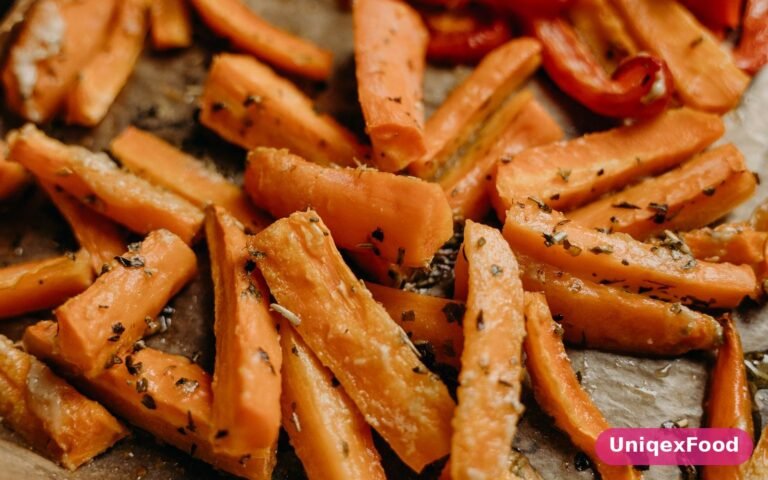
And if you are building a whole spread of roasted sides, our Garlic Butter Roasted Carrots sit beautifully next to these potatoes on the same tray — same oven temperature, same timing, and the colours on the plate look wonderful together.
Frequently Asked Questions
Can I make aji verde ahead of time?
Yes, and you should. It keeps in a sealed jar in the fridge for up to five days, and the flavour actually improves after a day as the garlic mellows and the lime settles in. Make it the night before and you have one less thing to do while the potatoes roast. Just give it a stir and a taste before serving, and add a squeeze of lime if it needs waking up.
Do I have to parboil the potatoes?
You can skip it and still get decent roasted potatoes, but the parboil is what makes them truly crispy. Boiling first roughs up the outside of each piece, and those rough edges are what turn golden and crunchy in the oven. It only adds ten minutes to the recipe and the difference is noticeable. If you are short on time, boil them for just five minutes — even a short parboil helps.
What can I use instead of jalapeño in the sauce?
A serrano chilli works if you want more heat, or a mild green chilli like a poblano if you want almost none. Aji amarillo paste is the most traditional option if you can find it at a Latin market. In a pinch, a pinch of cayenne pepper and an extra squeeze of lime will give you warmth and brightness, though you will miss the fresh green flavour of a real chilli.
Can I make this recipe in an air fryer?
Yes, and it works very well. Parboil and season the potatoes the same way, then cook them in the air fryer at 400°F (200°C) for 18 to 20 minutes, shaking the basket halfway through. Work in batches so they stay in a single layer. The sauce is exactly the same. You get beautifully crisp potatoes with less oil and a faster cook time.
Are these potatoes gluten-free?
Yes, the recipe is naturally gluten-free as written. Just double-check that your mayonnaise and any spice blends you use are certified gluten-free if you are cooking for someone with coeliac disease, since some spice mixes can contain anti-caking agents with gluten.
How spicy is aji verde?
With the seeds removed from one jalapeño, it is mildly warm — most people would call it flavourful rather than spicy. With the seeds left in, it has a noticeable but pleasant kick. The mayonnaise and sour cream soften the heat quite a bit, so it is friendlier than it looks. If you are unsure, start with half a jalapeño and add more after tasting.