Churro Cheesecake Bars with Cinnamon Sugar
The first time I had a churro cheesecake bar, I was standing at a friend’s kitchen counter with a paper plate in one hand and absolutely no intention of stopping at one square. She had brought them to a small get-together — a pan of something golden on top, dusted with cinnamon sugar, cut into neat little bars — and I assumed they were some kind of coffee cake. Then I took a bite and the whole thing made sense at once: a crisp, sugary top that crackled faintly, a thick layer of cool, creamy cheesecake underneath, and a soft, buttery base that held it all together. It tasted like a churro and a cheesecake had decided to share a pan, and neither one had to give anything up.
I asked her for the recipe before I had finished the second bar, and she laughed and told me there was barely a recipe to it. That is the honest truth about this dessert — it is one of those rare bakes that tastes like you spent the whole afternoon on it and takes about fifteen minutes of actual work. The secret is a shortcut that some bakers turn their noses up at and the rest of us quietly rely on: refrigerated crescent roll dough. It bakes into flaky, golden layers that do a very good impression of pastry, and when you brush it with butter and roll it in cinnamon sugar, it tastes like the outside of a churro. The cheesecake filling in the middle is just cream cheese, sugar, egg and vanilla, beaten until smooth. That is the whole trick, and it works every single time.
These churro cheesecake bars with cinnamon sugar have become my most requested dessert for potlucks, bake sales and family dinners, and I understand why. They travel well, they slice cleanly, they look beautiful on a plate with almost no effort, and they disappear faster than anything else on the table. They are sweet without being heavy, rich without being cloying, and the cinnamon sugar on top gives them a warmth that makes people go back for a second piece before they have really decided whether they want one. If you have ever wanted a dessert that feels special but does not ask much of you, this is the one.
What I love most about this recipe is how forgiving it is. Cheesecake has a reputation for being fussy — water baths, cracked tops, hours of chilling — and this version sidesteps all of it. The filling is thin enough that it sets quickly and evenly, the crescent layers protect it on both sides, and there is no water bath in sight. You do not need a springform pan, you do not need to worry about cracks, and you do not need to chill it overnight, though an hour in the fridge does make the slices cleaner. It is cheesecake for people who thought cheesecake was too much trouble, and it is a churro for people who do not own a piping bag or a pot of hot oil.
Why You’ll Love This Recipe
The first reason is how little effort it takes. From opening the fridge to sliding the pan into the oven is about fifteen minutes, and most of that is just unrolling dough and beating cream cheese. There is no dough to make from scratch, no piping, no frying, no water bath, and no special equipment beyond a 9×13-inch pan and a hand mixer. It is the kind of recipe you can make on a weeknight when someone texts you at five o’clock and says they are coming for dinner at seven. The oven does the rest while you tidy the kitchen.
The second reason is the texture, which is really three desserts in one bite. The top layer bakes up crisp and golden, with the cinnamon sugar melting into it just enough to form a thin, crackly crust. The middle is cool, smooth cheesecake — dense enough to hold its shape when sliced, soft enough to feel luxurious. And the bottom layer stays buttery and tender, soaking up just a little of the filling so every bite has a soft base underneath the cream. It is a combination that works because each layer does a different job, and none of them overpowers the others.
It is also a dessert that suits almost any occasion. Cut it into small squares and it is perfect finger food for a party or a bake sale, where people want to try a little of everything. Cut it into generous bars and serve it with coffee and it is a proper after-dinner dessert. It works at a summer barbecue next to the ice cream, and it works just as well at a winter holiday table, where the cinnamon feels right at home. I have made it for birthdays, for neighbours who just moved in, and for no reason at all on a quiet Sunday, and it has never once felt out of place.
Finally, this is a recipe that is easy to make your own. The base version is wonderful as it is, but it takes to variations beautifully — a little dulce de leche swirled through the filling, a spoonful of chocolate spread on the bottom layer, a pinch of nutmeg in the cinnamon sugar. Once you have made it once and seen how simple the structure is, you will start dreaming up your own versions. That is the mark of a good recipe: it teaches you something and then gets out of your way.
Ingredients You’ll Need
For the cheesecake filling:
- 450 g (about 1 lb) full-fat cream cheese, softened to room temperature (two blocks)
- 200 g (1 cup) granulated sugar
- 1 large egg, at room temperature
- 2 teaspoons vanilla extract
- 1 tablespoon plain flour
- 1/4 teaspoon fine sea salt
For the layers and topping:
- 2 cans (about 450 g total) refrigerated crescent roll dough
- 60 g (4 tablespoons) unsalted butter, melted
- 100 g (1/2 cup) granulated sugar, for the topping
- 2 teaspoons ground cinnamon
- 1/4 teaspoon ground nutmeg (optional, but lovely)
A note on the cream cheese: use the full-fat blocks, not the spreadable tubs and not the low-fat version. The blocks are firmer and have less water, which is what lets the filling set into clean, sliceable bars instead of something soft and wobbly. Take the cream cheese out of the fridge at least thirty minutes before you start — cold cream cheese does not beat smooth, and lumps in the filling are the one thing that can spoil this dessert. The same goes for the egg: a room-temperature egg mixes in far more easily than a cold one, and it helps the filling bake evenly.
For the crescent dough, any standard brand works — the kind that comes in a tube in the chilled section. You need two tubes, one for the base and one for the top, and you will unroll each one into a flat sheet. Do not worry if the dough tears slightly when you unroll it; just press it back together with your fingertips. The perforations between the triangles are meant to be pressed together anyway, and once the dough is in the pan and covered with filling, nobody will ever know.

How to Make Churro Cheesecake Bars with Cinnamon Sugar
Start by heating the oven to 175°C (350°F) and greasing a 9×13-inch baking pan lightly with butter or cooking spray. Line it with parchment paper if you like, leaving a little overhang on the long sides — this makes it much easier to lift the whole slab out later for clean slicing. It is not essential, but it is the kind of small step that saves you frustration at the end, and I recommend it every time.
Make the cinnamon sugar first, because it is easier to do while your hands are still clean. Mix the 100 g of sugar with the cinnamon and the nutmeg, if you are using it, in a small bowl. Taste a pinch — it should smell warm and sweet, with the cinnamon clearly in charge. Set the bowl aside. Then melt the butter in a small pan or in the microwave and set that aside too. Having both ready before you touch the dough keeps the assembly quick and tidy.
Now unroll the first tube of crescent dough and press it into the bottom of the pan. Work it gently into the corners and press the seams together with your fingertips until you have one even sheet with no gaps. It does not need to be perfect — the filling will cover any small imperfections — but try to get it reasonably even so the base bakes at the same rate all over. If the dough is very cold and stiff, let it sit on the counter for five minutes before you unroll it; it becomes much easier to handle once it warms up slightly.
Next, make the filling. Put the softened cream cheese in a large bowl and beat it with a hand mixer or a stand mixer on medium speed for about a minute, until it is completely smooth and fluffy. Scrape down the sides of the bowl, then add the sugar and beat again until it is fully mixed in. Add the egg, the vanilla, the flour and the salt, and beat on low speed just until everything comes together — about thirty seconds. Do not overbeat once the egg is in, because too much air in the filling can make it puff up in the oven and then sink as it cools, leaving a dip in the middle. A cheesecake filling should be mixed just enough, and no more.
Pour the filling over the dough in the pan and spread it into an even layer with a spatula, right out to the edges. It will look thin — that is correct. This is not a tall, deep cheesecake; it is a bar, and the filling is meant to be a generous layer rather than the whole dessert. Take your time getting it level, because an even filling bakes evenly and slices cleanly, and that is half the battle with bars like these.
Now unroll the second tube of crescent dough. This is the slightly fiddly part, because you need to lay a sheet of soft dough over a layer of soft filling without tearing it. The easiest way is to unroll the dough onto a sheet of parchment paper on the counter, press the seams together there, and then flip the whole thing over onto the filling and peel the paper away. If it tears a little, just press the edges back together with your fingertips — the cinnamon sugar and the baking will hide any repairs. Do not worry about perfection here; the top is going to be covered in butter and sugar anyway.
Brush the melted butter evenly over the top layer of dough, getting right into the corners. Then sprinkle the cinnamon sugar over the butter in an even layer, using all of it. The butter helps the sugar stick and helps the top crisp up in the oven, so do not skimp on either. If you like a thicker sugary crust, you can add an extra tablespoon of sugar and half a teaspoon of cinnamon, but the recipe amount already gives a good, generous coating.
Bake for 30 to 35 minutes, until the top is deep golden brown and the centre is just set — it should wobble very slightly when you gently shake the pan, but it should not look liquid. The edges will puff up a little and the cinnamon sugar will darken slightly, which is exactly what you want. If the top is browning too quickly before the centre is set, lay a sheet of foil loosely over the pan for the last ten minutes. Take the pan out of the oven and let it cool on a wire rack for at least an hour, then cover it and refrigerate for at least another hour before slicing. I know the wait is hard, but warm cheesecake bars do not slice cleanly, and cold ones do.
Tips for the Best Churro Cheesecake Bars
Room-temperature cream cheese is the single most important detail in this recipe. Cold cream cheese beats into lumps, and those lumps do not disappear in the oven — they stay in the filling as little white specks that change the texture. Set the blocks on the counter thirty to forty-five minutes before you start, and if you forgot, unwrap them, cut them into cubes, and give them ten minutes in a warm spot. The cream cheese should dent easily when you press it with a finger. If you want a filling that tastes truly smooth and professional, this one step is worth more than any other.
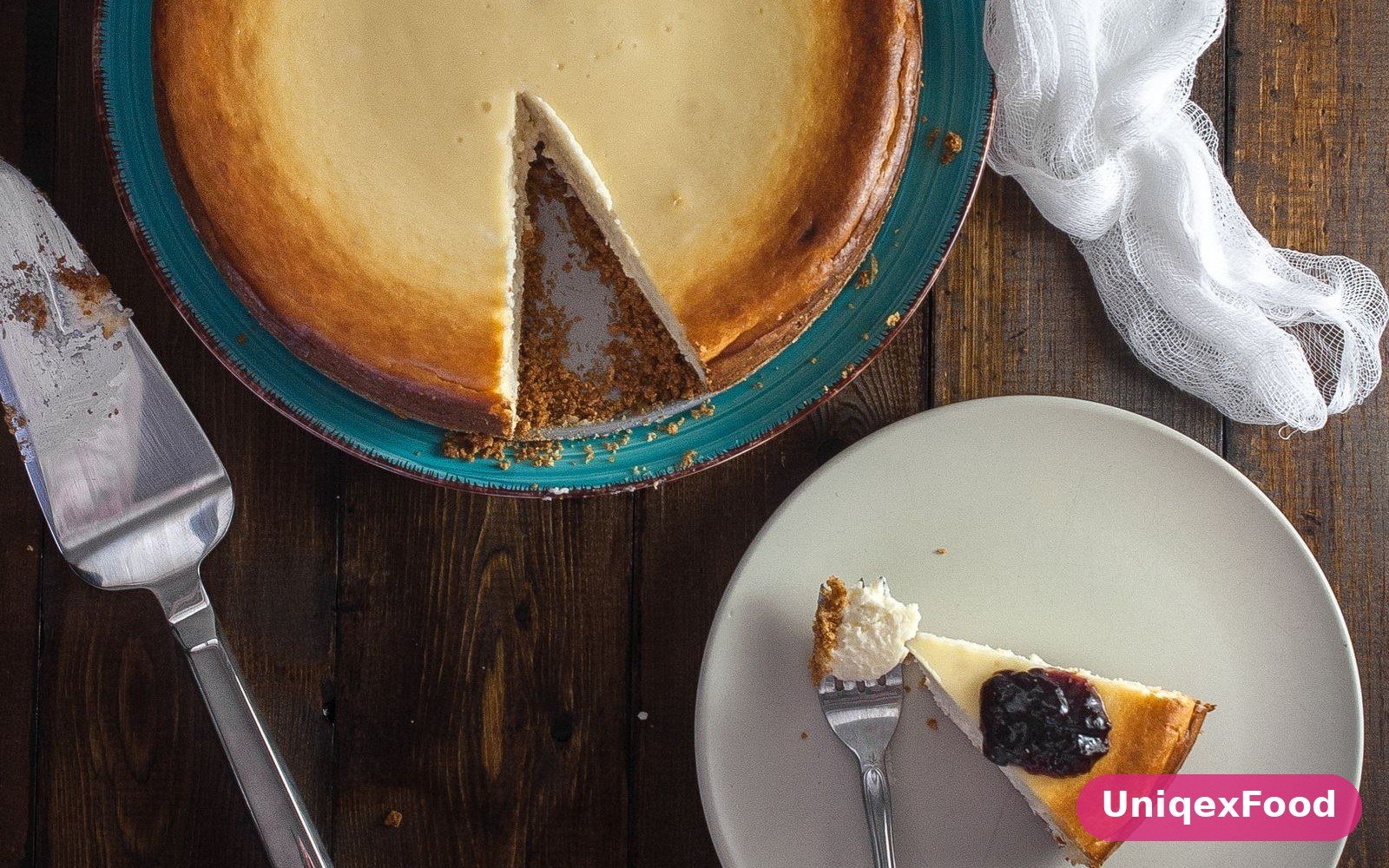
Do not overbake. The bars continue to set as they cool, so the centre should still have the faintest wobble when you take the pan out of the oven. If you wait until the centre is completely firm, the filling will be dry and the bars will be crumbly instead of creamy. Start checking at thirty minutes: the top should be golden and the edges should look set, while the very middle moves just slightly when you nudge the pan. That slight wobble is your friend, and it will firm up beautifully in the fridge.
Chill before slicing, and use a sharp knife wiped clean between cuts. Warm bars smear and the layers slide apart; cold bars cut into neat, clean squares with visible layers. Run a long, sharp knife under hot water, wipe it dry, and make one clean cut, then wipe the blade again before the next cut. It takes an extra minute and it makes the difference between bars that look like they came from a bakery and bars that look like they were cut in a hurry. For another bar dessert that slices just as cleanly, these raspberry cheesecake bars use a similar method with a bright, fruity twist.
Be generous with the cinnamon sugar on top, and use fresh cinnamon if you can. Ground cinnamon loses its punch after a few months in the cupboard, and this dessert leans on cinnamon for most of its flavour. If your jar has been open since last winter, it is worth buying a fresh one — you will taste the difference immediately. A good cinnamon should smell warm and almost sweet when you open the jar, not flat and dusty. The nutmeg is optional, but a small pinch adds a depth that makes people ask what your secret ingredient is.
Variations to Try
The easiest variation is a dulce de leche swirl. Before you lay the top layer of dough on, drop spoonfuls of dulce de leche over the cheesecake filling and drag a knife through them in a few lazy swirls. It adds a caramel richness that pairs beautifully with the cinnamon, and it looks wonderful in the sliced bars — thin ribbons of golden caramel running through the white filling. A jar of dulce de leche from the baking aisle works perfectly; you need about half a cup.
Chocolate lovers can spread a thin layer of chocolate hazelnut spread over the bottom dough before adding the filling. It melts slightly in the oven and forms a thin chocolate layer at the base that tastes like the chocolate sauce you would dip a churro into. Use about a third of a cup and spread it thinly — too much and it will make the base soggy. A sprinkle of mini chocolate chips over the filling before the top layer goes on works too, and gives you little pockets of melted chocolate in every bite.
For a fruit version, add a thin layer of apple butter or spiced apple preserves over the bottom dough, or scatter a cup of finely diced apples tossed in cinnamon over the filling. The apple version tastes like an apple churro crossed with a cheesecake, and it is wonderful in autumn. If you like fruit desserts generally, this blueberry muffins with crumb topping recipe uses the same kind of cinnamon-sugar crunch in a completely different form.
You can also change the spice in the topping. A teaspoon of cocoa powder mixed into the cinnamon sugar gives a mocha-churro flavour that chocolate lovers adore. A pinch of cardamom adds a warm, floral note that makes the bars taste more grown-up and a little exotic. And if you want heat, a tiny pinch of cayenne in the cinnamon sugar — just an eighth of a teaspoon — gives a gentle warmth at the back of the throat that makes people take another bite to work out what it is. Keep it subtle; the cinnamon should still be the star.
Serving Ideas
These bars need very little dressing up, but a few simple touches make them feel special. A dusting of extra cinnamon sugar just before serving refreshes the top and makes the bars look freshly made. A small bowl of chocolate sauce or warm dulce de leche on the side, for dipping or drizzling, turns them into a dessert-course centrepiece. And a scoop of vanilla ice cream alongside a warm bar — yes, you can serve one slightly warm if you cannot wait — is genuinely wonderful, with the cold ice cream melting into the cinnamon sugar.
For a party, cut the pan into 24 small squares and arrange them on a platter with a little space between them. They are easy to pick up, they do not need a fork, and they look beautiful next to other desserts because of their golden, sugary tops. For a holiday table, cut them slightly larger and serve them on small plates with a dollop of whipped cream and a cinnamon stick for decoration. They sit happily alongside richer desserts like this red velvet cake with cream cheese frosting, and the contrast between the two — one light and cinnamon-sugared, one deep and chocolatey — makes the whole table feel generous.
They also make a lovely gift. A small box of these bars, wrapped in parchment and tied with string, is the kind of homemade present people actually remember. They travel well, they keep for days, and they taste like someone cared — because someone did. If you are baking for a neighbour, a teacher, or a friend who needs cheering up, a box of churro cheesecake bars says it better than a card.
For drinks, coffee is the natural partner — the cinnamon and the coffee bring out the best in each other. A milky latte or a cup of hot chocolate works just as well, and for an evening dessert, a small glass of sweet dessert wine or a spiced rum coffee is a lovely match. For children, cold milk is the classic, and there is something deeply satisfying about a cold glass of milk with a warm, cinnamon-sugared bar.
Storage and Freezing
These bars keep beautifully in the fridge. Store them in an airtight container, with parchment paper between the layers if you stack them, and they will stay fresh for up to five days. The cinnamon sugar topping softens slightly over time as it absorbs moisture from the fridge, but the flavour stays wonderful — if you want to refresh the crunch, dust a little extra cinnamon sugar over the top before serving. Do not leave them at room temperature for more than a couple of hours, because the cheesecake filling needs to stay cool.
They also freeze very well, which makes them a brilliant make-ahead dessert. Let the bars cool completely, slice them, and wrap each bar individually in cling film, then put the wrapped bars in a freezer bag or container. They will keep for up to three months. To serve, thaw them in the fridge overnight — they taste just as good as fresh, and the texture holds up beautifully. You can even eat them straight from the freezer on a hot day, like a cheesecake ice cream bar, which is a trick worth knowing in summer.
If you want to freeze the whole uncut slab, wrap the cooled pan tightly in two layers of cling film and a layer of foil, and freeze it that way. Thaw it in the fridge overnight, then slice and serve. This is the method I use when I am baking ahead for a party — make the bars on Thursday, freeze them, thaw them on Saturday morning, and nobody would ever guess they were not baked that day. A make-ahead dessert like this one is a quiet superpower, and this classic bread pudding with vanilla sauce is another one that rewards a little planning.
Frequently Asked Questions
Can I use crescent roll dough sheets instead of the perforated rolls?
Yes, and they are actually easier. The seamless dough sheets are made for recipes exactly like this one — you unroll them and you have a flat sheet with no perforations to press together. If your shop sells them, buy them. If not, the regular perforated rolls work perfectly well; just take an extra minute to press the seams together firmly with your fingertips before the dough goes into the pan.
Why did my cheesecake filling turn out lumpy?
Almost always, the cream cheese was too cold. Cold cream cheese does not beat smooth, no matter how long you mix it, and the lumps stay in the filling. Make sure the blocks are properly at room temperature before you start — they should dent easily when pressed. If you are in a hurry, unwrap the blocks, cut them into small cubes, and leave them in a warm spot for ten minutes. Beat the cream cheese on its own first, until it is completely smooth, before you add anything else.
Can I make these bars ahead of time?
Yes, they are an excellent make-ahead dessert. Bake them, cool them, and refrigerate them overnight — they actually slice more cleanly after a night in the fridge, and the flavours settle and deepen. They keep for five days in the fridge and up to three months in the freezer, so you can bake them well ahead of a party. If you freeze them, thaw them in the fridge overnight and dust a little extra cinnamon sugar on top before serving to refresh the crust.
Do I need to use a water bath?
No, and that is one of the best things about this recipe. Traditional cheesecake needs a water bath to bake gently and avoid cracking, but these bars are thin, the filling is protected by the dough layers on both sides, and the top is covered in cinnamon sugar, so a crack would not show anyway. Just bake them directly in the oven and let them cool on the counter — no water, no foil wrapping, no fuss.
Can I use low-fat cream cheese?
You can, but the bars will be softer and less rich, and they may not slice as cleanly. Full-fat block cream cheese gives the filling its structure and its flavour, and it is what lets the bars hold their shape. If you do use low-fat cream cheese, add an extra tablespoon of flour to the filling to help it set, and chill the bars for at least three hours before slicing. The result will still be tasty, just a little less luxurious.
How do I get clean, neat slices?
Chill the bars thoroughly — at least two hours in the fridge, or overnight if you can. Use a long, sharp knife, run it under hot water, wipe it dry, and make one clean cut, then wipe the blade and repeat. The hot, clean blade cuts through the cinnamon sugar crust without dragging it, and the cold filling holds its shape. Lift the bars out of the pan with the parchment overhang if you used it, and cut them on a board rather than in the pan — you will get much straighter edges.