Classic Bread Pudding with Vanilla Sauce
Bread pudding is one of those desserts that proves the best cooking often comes from not wasting anything. It was invented to use up stale bread, and somewhere along the way it became something people make on purpose, with fresh bread, because it is just so good. Warm, custardy, gently spiced, with crisp golden edges and a soft, almost creamy middle — and then you pour warm vanilla sauce over the top and it turns into pure comfort in a bowl.
I make bread pudding whenever I have half a loaf going stale on the counter, which in my house is more often than I would like to admit. There is something deeply satisfying about turning something that was heading for the bin into the best dessert of the week. The method is almost embarrassingly simple: tear up the bread, soak it in a sweet, eggy custard with cinnamon and vanilla, scatter over some raisins, and bake it until it is puffed and golden. The vanilla sauce takes five minutes in a small pan while the pudding is in the oven, and it is the finishing touch that makes the whole thing feel like a proper pudding rather than a clever way to use up leftovers.
What I love most about this recipe is how forgiving it is. Bread pudding does not care if your bread is a day old or three days old. It does not care if you use white bread, brioche, challah, or a crusty farmhouse loaf. It does not even care very much if you get the measurements slightly wrong. It is a dessert that wants to work, and it almost always does. I have made it with whatever was in the cupboard — a handful of sultanas instead of raisins, a pinch of nutmeg instead of cinnamon, a splash of rum instead of vanilla — and it has been delicious every single time.
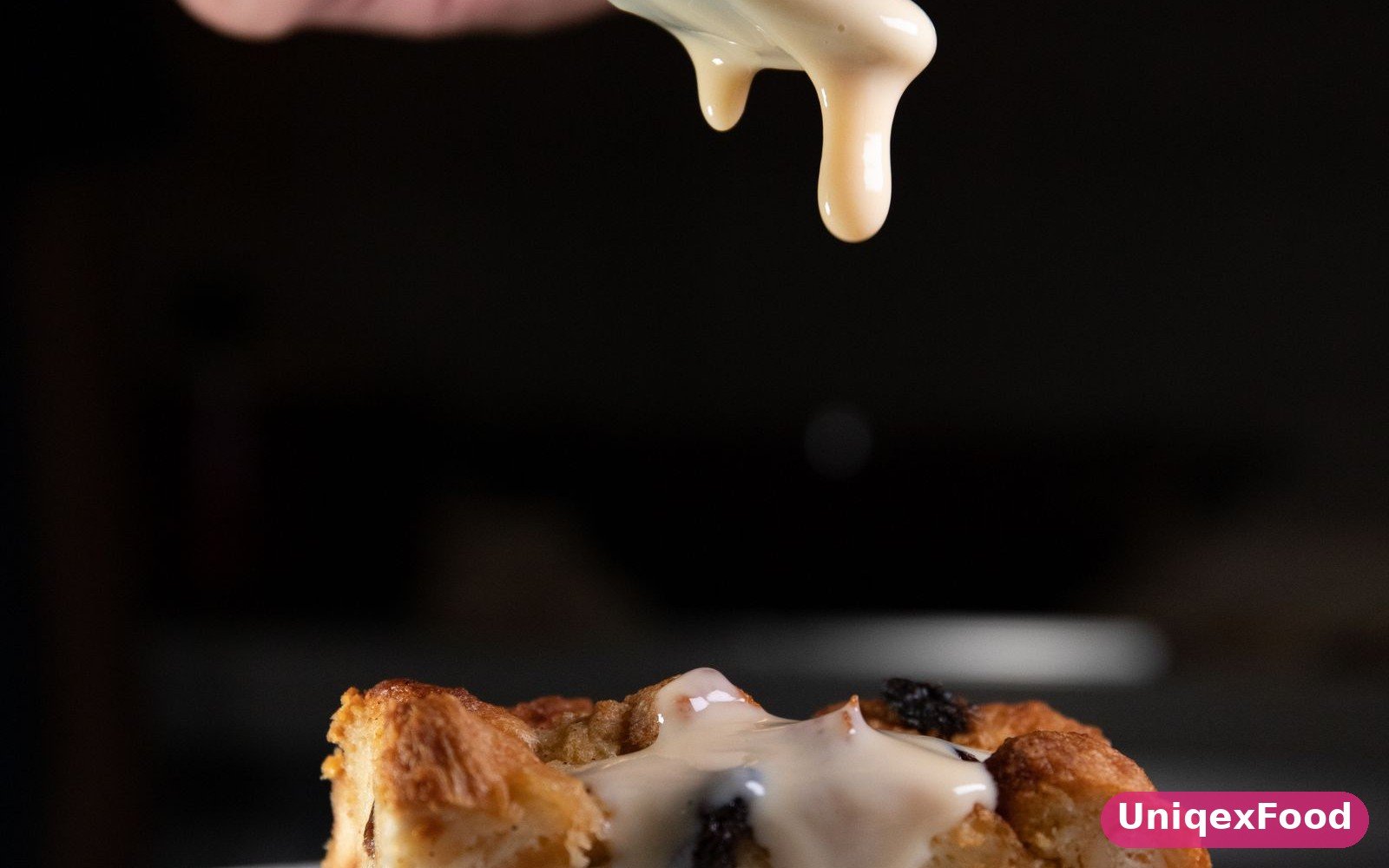
The vanilla sauce is worth making properly, and I mean the real thing, not a tin of custard from the supermarket. It is just milk, cream, egg yolks, sugar, and vanilla, whisked together over a gentle heat until it thickens enough to coat the back of a spoon. It takes five minutes and a little patience, and it tastes completely different from anything out of a packet — silky, rich, and properly vanilla. Pour it warm over the hot pudding and watch it soak into all the little gaps. That first spoonful, with the crisp top and the soft middle and the warm sauce, is one of the great simple pleasures of home baking.
Why You’ll Love This Recipe
The first reason is that it turns waste into something wonderful. We all end up with stale bread, and most of it goes in the bin. This recipe gives that bread a second life as a dessert that people genuinely ask for by name. There is a particular satisfaction in serving something delicious and knowing that it cost almost nothing and saved food from being thrown away. It is the kind of thrifty, sensible cooking that our grandmothers did without thinking about it, and it still makes perfect sense today.
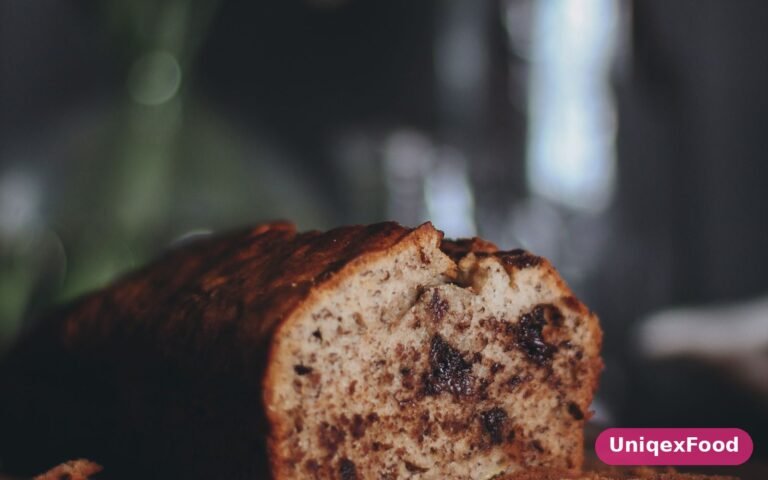
The second reason is the texture. A good bread pudding has three textures in every spoonful: the crisp, golden, slightly caramelised top, the soft, custardy middle where the bread has soaked up all the eggs and cream, and the little pockets of jammy raisins scattered throughout. It is soft without being soggy, rich without being heavy, and sweet without being sickly. The vanilla sauce adds a fourth layer — silky and warm — and the whole thing together is far more than the sum of its parts. If you like old-fashioned, comforting desserts, you will also love these chocolate chip banana bread, which uses the same thrifty idea of turning overripe fruit into something wonderful.
It is also one of the easiest desserts you will ever make. There is no pastry to roll, no cake to worry about sinking, no fiddly decorating. You tear the bread, whisk the custard, mix them together, and bake. The hardest part is waiting while it is in the oven, because the smell of cinnamon and vanilla and warm bread fills the whole house and makes everyone impatient. It is a wonderful recipe for beginner bakers, for baking with children, and for anyone who wants a proper homemade dessert without spending the afternoon in the kitchen.
And finally, this is a dessert that works for every occasion. Serve it warm from the oven for a family dinner, dress it up with vanilla sauce and a dusting of icing sugar for guests, or eat it cold from the fridge the next day with a cup of tea. It is just as good at Christmas as it is on a random Tuesday in March. It feeds a crowd easily, it can be made ahead, and it reheats beautifully. Once you have this recipe in your back pocket, you will never look at a stale loaf the same way again.
Ingredients You’ll Need
- 400 g (about 14 oz) day-old white bread, brioche, or challah, torn into rough 3 cm (1 inch) cubes
- 4 large eggs
- 500 ml (2 cups) whole milk
- 250 ml (1 cup) double cream (heavy cream)
- 150 g (3/4 cup) caster sugar, plus 1 tablespoon for sprinkling
- 2 teaspoons vanilla extract
- 1 teaspoon ground cinnamon
- 1/4 teaspoon ground nutmeg
- 1/4 teaspoon fine sea salt
- 100 g (2/3 cup) raisins or sultanas
- 50 g (3 1/2 tablespoons) unsalted butter, melted, plus a little more for greasing
- 1 tablespoon demerara sugar, for the top (optional)
For the vanilla sauce:
- 250 ml (1 cup) whole milk
- 250 ml (1 cup) double cream (heavy cream)
- 4 large egg yolks
- 60 g (1/4 cup + 1 tablespoon) caster sugar
- 2 teaspoons vanilla extract, or 1 vanilla pod, split and seeds scraped
- A pinch of fine sea salt
How to Make Classic Bread Pudding with Vanilla Sauce
Start by preparing the bread, because it needs time to soak and the drier it is, the better the pudding will be. If your bread is already a day or two old and feels firm, you can use it as it is. If it is fresh and soft, spread the cubes out on a baking tray and dry them in a 150°C (300°F) oven for ten minutes, or just leave them out on the counter for an hour or two. You want the bread dry enough to drink up the custard without falling apart into mush. Put the cubes in a large bowl and scatter the raisins over the top.

Now make the custard. In a large jug or bowl, whisk the eggs with the sugar, vanilla extract, cinnamon, nutmeg, and salt until the sugar has mostly dissolved and the mixture looks smooth and slightly pale. Pour in the milk and the cream and whisk again until everything is combined. It will be thin and pale yellow, and it will smell wonderful. Pour this custard over the bread cubes, add the melted butter, and stir gently with a large spoon so that every piece of bread gets wet. Press the bread down lightly so it is mostly submerged. Then leave it alone for twenty to thirty minutes, stirring once halfway through, so the bread can soak up the custard properly. This soaking time is what gives you a soft, even texture instead of dry patches on top and a puddle at the bottom.
While the bread soaks, heat the oven to 180°C (350°F) and butter a baking dish, about 23 x 33 cm (9 x 13 inches). A ceramic or glass dish works best, because it heats evenly and you can serve the pudding straight from it. If you only have a metal dish, that is fine too, but check the pudding a few minutes early, because metal conducts heat faster. Tip the soaked bread mixture into the dish and spread it out evenly, pressing it down gently so the top is fairly level. Sprinkle the tablespoon of caster sugar and the demerara sugar over the top if you are using it — this is what gives you that lovely crisp, caramelised crust.
Bake the pudding for forty-five to fifty minutes, until it is puffed up, deep golden brown on top, and set in the middle. You can test it by pressing the centre gently with a spoon — it should feel firm and spring back slightly, not wobble like liquid. If the top is browning too fast before the middle is set, cover the dish loosely with foil for the last fifteen minutes. The pudding will sink a little as it cools, and that is completely normal. Let it rest for ten minutes before serving, because it is very hot inside and the custard needs a moment to settle.
While the pudding is in the oven, make the vanilla sauce. Put the milk and cream in a medium saucepan with the vanilla extract, or the split vanilla pod and seeds, and heat it gently until it is steaming but not boiling — you should see small bubbles around the edge. Meanwhile, whisk the egg yolks with the sugar and the salt in a heatproof bowl until pale and slightly thick. Pour the hot milk mixture into the yolks in a slow, steady stream, whisking all the time so the eggs do not scramble. This is called tempering, and it is the secret to a smooth sauce. Pour everything back into the saucepan and cook over a low heat, stirring constantly with a wooden spoon, for three to five minutes until the sauce thickens enough to coat the back of the spoon. Do not let it boil, or it will curdle. Take it off the heat immediately, fish out the vanilla pod if you used one, and pour it into a warm jug. Serve the pudding warm, in bowls, with a generous pour of vanilla sauce over each serving.
Tips for the Best Bread Pudding
Use bread that is properly stale, or dry it out first. This is the single most important tip in the whole recipe, because the texture of the pudding depends entirely on the bread soaking up the custard without disintegrating. Fresh, soft bread turns to mush and gives you a pudding that is wet in the middle and gluey on top. Bread that is a day or two old, or bread you have dried in a low oven for ten minutes, holds its shape, drinks up the custard, and gives you that perfect contrast between a crisp top and a soft, custardy middle. If your bread is very fresh, do not skip the drying step — it only takes ten minutes and it makes all the difference.
Let it soak for the full twenty to thirty minutes. I know it is tempting to rush this, but the soaking time is what makes the difference between a pudding with dry, crunchy bits on top and one that is soft and even all the way through. The bread needs time to absorb the custard properly, and stirring it once halfway through helps the pieces on top get their share. If you are in a real hurry, ten minutes will do, but the texture will not be quite as good. If you have time, you can even assemble the whole pudding the night before, cover it, and keep it in the fridge — the bread soaks up even more custard overnight and the result is wonderfully rich. Just add ten minutes to the baking time if you are cooking it from cold.
Do not overbake it. Bread pudding goes from perfect to dry surprisingly quickly, and the difference is only about five minutes. You want the top deep golden and crisp, and the centre just set — firm enough to hold its shape when you spoon it out, but still soft and custardy inside. If you are unsure, check it five minutes early. A little wobble in the very centre is fine, because it will keep cooking from its own heat for a few minutes after it comes out of the oven. A pudding that is slightly underbaked is delicious. A pudding that is overbaked is dry, and no amount of vanilla sauce can fully rescue it.
Keep the vanilla sauce heat low and stir constantly. Custard sauce is one of those things that punishes impatience. If the heat is too high, or if you stop stirring for even a few seconds, the eggs can scramble and you end up with sweet scrambled eggs instead of a silky sauce. Use the lowest heat your hob will manage, stir in slow figure-of-eights with a wooden spoon, and take it off the heat the moment it coats the back of the spoon. If it does split slightly, take it off the heat immediately and whisk in a tablespoon of cold cream — that often brings it back. And if it splits badly, pour it through a fine sieve into a clean jug and pretend it never happened. It will still taste wonderful. This same patient, low-heat approach is what makes these blueberry muffins with crumb topping so reliably moist, and it applies to almost all custard-based baking.
Butter the dish generously. It sounds like a small thing, but a well-buttered dish does two jobs: it stops the pudding from sticking, which means you can serve it neatly, and it helps the edges go golden and crisp. Use soft butter and a pastry brush or a piece of paper towel, and get right into the corners. A light dusting of sugar over the butter, before you add the bread mixture, gives you an extra-crisp, caramelised edge that is honestly the best part of the whole pudding.
Variations to Try
For a chocolate version, scatter 100 g of dark chocolate chips through the bread mixture along with the raisins, and add a tablespoon of cocoa powder to the custard. The chocolate melts into little pockets as the pudding bakes, and the result is rich and wonderful without being too sweet. Serve it with the vanilla sauce as usual, or with a spoonful of softly whipped cream. This is the version I make when I want the pudding to feel a little more special, and children go absolutely mad for it. If you want to see how the classic version is done, this BBC Good Food bread and butter pudding recipe is the traditional benchmark.
For a boozy version, soak the raisins in two tablespoons of rum, brandy, or bourbon for half an hour before you add them to the bread, and stir a tablespoon of the same spirit into the custard. The alcohol mostly cooks off in the oven, leaving behind a deep, warm flavour that makes the whole pudding taste more grown-up. This is the version I make at Christmas, and it is lovely served with a splash of extra rum in the vanilla sauce for the adults. Leave the alcohol out entirely if children are eating it — the plain version is just as good.
For a fruity version, replace the raisins with the same amount of dried cranberries, chopped dried apricots, or a mixture of both, and add the finely grated zest of one orange to the custard. The tart fruit and the orange zest brighten the whole pudding and make it feel lighter and fresher. Fresh berries work too — a handful of blueberries or raspberries scattered through the bread mixture — but add them at the last minute so they do not bleed colour into the custard. In summer, I make this version with whatever berries are in season, and it is wonderful served barely warm with cold cream.
For a spiced version, add half a teaspoon of ground ginger and a pinch of ground cloves to the custard along with the cinnamon and nutmeg, and use brown sugar instead of caster sugar. The darker sugar and the extra spices give the pudding a deeper, almost gingerbread-like flavour that is perfect for cold weather. A spoonful of golden syrup drizzled over the top before serving, instead of the vanilla sauce, is a lovely finishing touch. This is the version I make most often in November and December, when the house is cold and something warm and spicy feels exactly right.
Serving Ideas

The classic way to serve bread pudding is warm from the oven, in bowls, with a generous pour of warm vanilla sauce. It is simple, it is traditional, and it is perfect. The hot pudding and the warm sauce together are pure comfort, and a dusting of icing sugar or a grating of nutmeg over the top is all the decoration it needs. If you are serving it to guests, bring the dish to the table and spoon it out there — it looks generous and homely, and people always take a second helping.
For a lighter serving, let the pudding cool to room temperature and serve it in slices with a spoonful of cold cream or a scoop of vanilla ice cream. The contrast between the cool cream and the soft, spiced pudding is lovely, and it is a good option in warmer weather when a hot dessert feels like too much. A few fresh berries on the side add colour and a sharp contrast to the richness. This is how I serve it in summer, and it is just as good as the hot version.
For a more dressed-up dessert, serve individual portions in small ramekins — assemble the pudding in the ramekins instead of one big dish, reduce the baking time to about thirty minutes, and serve each one with vanilla sauce and a single perfect raspberry on top. It looks like something from a restaurant, and it is a lovely way to finish a dinner party. A glass of dessert wine or a cup of strong coffee alongside makes it feel even more special. If you like desserts that can be dressed up like this, these raspberry cheesecake bars are another excellent option for feeding a crowd in style.
If you have leftovers, bread pudding makes a wonderful breakfast. Warm a slice gently in the oven, add a spoonful of yoghurt and a drizzle of honey, and you have a breakfast that feels like a treat. I know it sounds indulgent, but it is really just bread, eggs, and milk, which is not so far from French toast. And do not forget the simplest serving of all: a cold slice, eaten standing up in the kitchen with a cup of tea, straight from the fridge. Sometimes that is the best way of all.
Storage and Reheating
Leftover bread pudding keeps really well, which is one of the reasons I often make a full batch even when there are only two of us. Let it cool completely, then cover the dish tightly with cling film or transfer individual portions to airtight containers. It keeps in the fridge for up to four days, and the flavour actually improves after a day, as the spices and vanilla have time to develop. Keep the vanilla sauce in a separate container — it keeps for up to three days in the fridge, and it thickens as it cools, so warm it gently and stir it well before serving.
To reheat, the oven is your best friend. Put the pudding in a baking dish, cover it loosely with foil, and warm it in a 160°C (325°F) oven for fifteen to twenty minutes until heated through. Take the foil off for the last five minutes if you want the top to crisp up again. Individual portions reheat well in the microwave — about ninety seconds on medium power — though the top will not crisp up. Warm the vanilla sauce separately in a small pan over a low heat, stirring constantly, and never let it boil. If you want a dessert that reheats just as well, this red velvet cake with cream cheese frosting is another excellent make-ahead option.
For longer storage, bread pudding freezes well for up to two months. Cut it into portions once it is completely cold, wrap each portion tightly in cling film, then put them in a freezer bag with the air pressed out and label it with the date. Thaw overnight in the fridge before reheating, and never refreeze it once it has thawed. The vanilla sauce does not freeze well — the eggs can split when it thaws — so make that fresh each time. It only takes five minutes, and a fresh sauce makes all the difference to a reheated pudding.
Frequently Asked Questions
What kind of bread is best for bread pudding?
Almost any bread works, but the best results come from a rich, slightly sweet bread like brioche or challah, because the extra eggs and butter in the bread make the pudding even more custardy. A good white sandwich loaf is the classic choice and works beautifully. A crusty farmhouse loaf or sourdough gives you a pudding with more texture and a slightly tangy flavour, which some people prefer. What matters most is that the bread is stale or dried out, not what kind it is. Avoid very soft, thin-sliced bread, because it falls apart too easily, and avoid heavily seeded bread, because the seeds go soggy. If all you have is a plain white loaf, you are in good shape.
Can I make bread pudding ahead of time?
Yes, and it is a great make-ahead dessert. You can assemble the whole pudding, cover it, and keep it in the fridge for up to twenty-four hours before baking — the bread soaks up even more custard overnight, and the result is richer and more even. Just add about ten minutes to the baking time if you are cooking it from cold. You can also bake it completely, let it cool, and keep it in the fridge for up to four days, reheating portions as you need them. The vanilla sauce is best made fresh, but it keeps for up to three days in the fridge if you make it ahead — just warm it gently and stir well before serving.
Why is my bread pudding soggy in the middle?
The most common reason is that the bread was too fresh and soft, so it collapsed into mush instead of holding its shape and soaking up the custard evenly. The second reason is too much custard for the amount of bread — if you change the quantities, keep the ratio roughly the same. The third reason is underbaking: if the centre is still liquid when you take it out of the oven, it will never set properly as it cools. Make sure the pudding is baked until the centre feels firm when you press it gently, and let it rest for ten minutes before serving, because the custard continues to set as it cools. If it is only slightly soft in the middle, a few more minutes in the oven will fix it.
Can I make bread pudding without raisins?
Yes, absolutely, and plenty of people prefer it that way. Just leave the raisins out and the pudding will be just as good — the custard and the spices carry the flavour on their own. If you want something in their place, chocolate chips are the most popular swap, and they melt into lovely pockets as the pudding bakes. Dried cranberries, chopped dried apricots, or fresh berries all work well too. Or leave the fruit out entirely and add a little extra cinnamon and vanilla instead. The recipe is very forgiving, and the raisins are a classic addition, not a requirement.
How do I stop my vanilla sauce from curdling?
Two things matter: low heat and constant stirring. The sauce should never boil, because boiling is what makes the egg yolks scramble. Cook it over the lowest heat your hob will manage, stir it constantly in slow figure-of-eights, and take it off the heat the moment it is thick enough to coat the back of a spoon. Tempering helps too — pour the hot milk into the yolks slowly while whisking, rather than dumping the yolks into the hot milk. If the sauce does split slightly, take it off the heat immediately and whisk in a tablespoon of cold cream, which often brings it back together. And if it splits badly, pour it through a fine sieve into a clean jug. It will still taste wonderful. For a detailed guide to the technique, this BBC Good Food vanilla custard recipe walks through the same method step by step.
Can I make bread pudding dairy-free?
Yes, with a few swaps. Use oat milk or almond milk instead of the whole milk, and a dairy-free cream alternative instead of the double cream. Use a dairy-free butter alternative for greasing the dish and for the melted butter in the mixture. The eggs are still needed for the custard to set, so this recipe is not egg-free, but the dairy swaps work well and the result is very close to the original. Oat milk is my first choice, because it is naturally creamy and does not add a strong flavour of its own. The vanilla sauce can be made the same way with oat milk and dairy-free cream, though it will be a little thinner — add an extra egg yolk to help it thicken.