
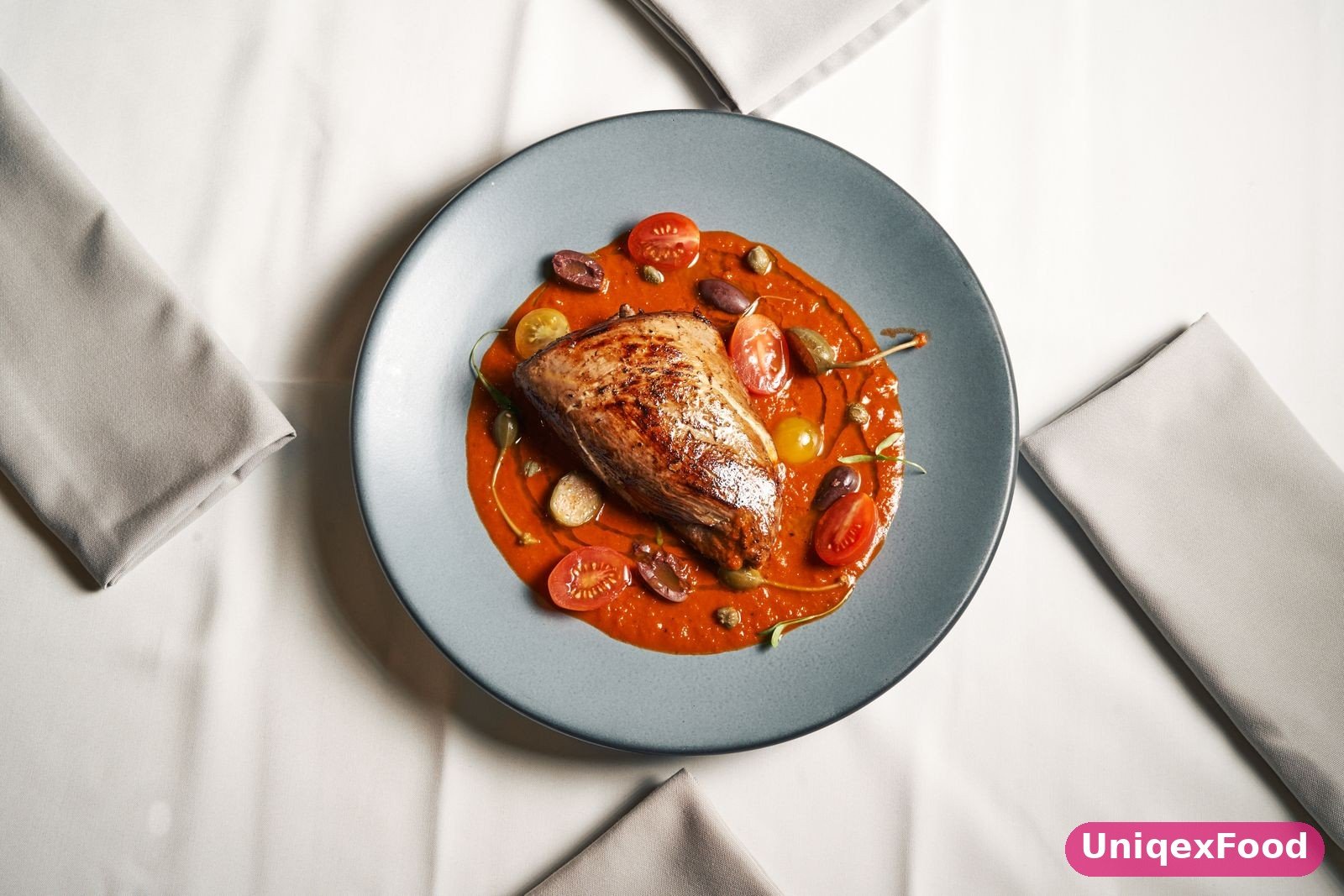
One-Pan Mediterranean Chicken with Olives and Cherry Tomatoes
There is a particular kind of dinner that tastes like a holiday, and this one-pan Mediterranean chicken is exactly that dinner. I first made it on a grey Tuesday in the middle of winter, when the sky had been the colour of wet concrete for a week and I was craving something bright and sunny. An hour later the kitchen smelled like lemon and oregano, the tomatoes had burst into a sweet, jammy sauce, and the whole house felt a little bit warmer. It has been in my regular rotation ever since, and it is the dinner I make whenever I need a reminder that summer exists.
The idea is simple. You sear seasoned chicken thighs in a hot pan until the skin is golden, then add cherry tomatoes, olives, capers, garlic, and lemon, and let the oven finish the job. The tomatoes soften and burst as they cook, the olives turn buttery and mild, and the lemon slices caramelise at the edges and go almost sweet. Everything cooks in one pan, the sauce makes itself from the pan juices and the tomato liquid, and a crumble of feta over the top at the end ties the whole thing together.
What I love most about this recipe is how little work it asks of you for how much flavour it gives back. The prep is ten minutes of chopping and seasoning, the cooking is mostly the oven doing its job while you set the table, and the washing up is one pan and a chopping board. It is the kind of dinner that makes a busy weeknight feel manageable and a quiet weekend feel special, all at the same time, and it feeds four people generously without any fuss at all.
It also happens to be one of those recipes that adapts to whatever you have in the kitchen. Chicken thighs or breasts, green olives or black, cherry tomatoes or chopped plum tomatoes, a handful of capers or a spoonful of sun-dried tomato paste — all of it works, and the method stays the same. Serve it with crusty bread to mop up the sauce, or with rice, orzo, or roasted potatoes, and you have a complete dinner that tastes like it came from a seaside taverna rather than your own oven.
Why You’ll Love This Recipe
First of all, it is a genuine one-pan dinner, and that matters more than it sounds. Everything cooks in the same pan, the sauce builds itself from the ingredients as they cook, and there is almost no washing up at the end. On nights when I am tired and the last thing I want is a sink full of dishes, this is the dinner I reach for, because I know the whole meal will be on the table in about forty minutes and the kitchen will still be clean enough to make tea afterwards.
The flavour is the second reason this recipe earns a permanent place in my rotation. The tomatoes go sweet and jammy as they roast, the olives add a salty, buttery depth, the lemon brings brightness, and the oregano ties it all together with that unmistakable Mediterranean warmth. The chicken skin goes golden and crisp, the meat underneath stays juicy, and the pan juices are so good that you will want bread just to mop them up. If you enjoy sunny, herby chicken, you will also love this Greek lemon chicken with oregano and potatoes, which uses the same bright, lemony seasoning in a simpler roast.
It is also a wonderfully practical recipe for real life. Chicken thighs are affordable, forgiving, and hard to overcook, which makes this a brilliant dinner for newer cooks. You can prepare everything in the morning and keep the pan covered in the fridge, then cook it when you get home. Leftovers are fantastic the next day, sliced cold into salads or shredded into wraps, and the recipe doubles easily for a crowd. I have made eight thighs in a large roasting tin for a family gathering and it worked just as well as four.
Finally, this is a recipe that makes an ordinary evening feel a little bit special, and I mean that as a compliment. There is something about the colours on the plate — the red tomatoes, the green olives, the golden chicken, the bright lemon — that makes dinner feel like an occasion, even when it is just a Tuesday. Once you have this method in your back pocket, you will start inventing your own Mediterranean combinations, and that is exactly how good home cooking grows, one confident recipe at a time.
Ingredients You’ll Need
- 8 bone-in, skin-on chicken thighs (about 1 kg / 2.2 lbs)
- 1 teaspoon dried oregano
- 1 teaspoon garlic powder
- 1 teaspoon smoked paprika
- 1/2 teaspoon onion powder
- 1 teaspoon fine sea salt, plus more to taste
- 1/2 teaspoon black pepper, freshly ground
- 2 tablespoons olive oil
- 4 cloves garlic, thinly sliced
- 1 small red onion, thinly sliced
- 400 g (14 oz) cherry tomatoes, halved
- 100 g (3.5 oz) pitted green olives, halved (Castelvetrano if you can find them)
- 2 tablespoons capers, drained
- 1 lemon, thinly sliced into rounds, seeds removed
- 120 ml (1/2 cup) chicken stock
- 1 tablespoon red wine vinegar or lemon juice
- 60 g (2 oz) feta cheese, crumbled, to serve
- Fresh parsley or basil, chopped, to serve
How to Make One-Pan Mediterranean Chicken with Olives and Cherry Tomatoes
Start by seasoning the chicken, because it needs a few minutes for the spices to settle into the skin. Mix the oregano, garlic powder, smoked paprika, onion powder, salt, and black pepper in a small bowl. Pat the chicken thighs completely dry with paper towels — dry skin is what gives you a golden, crisp result, and wet skin just steams. Rub the spice mixture all over the thighs, getting it under the skin where you can, and set them aside while you prepare the vegetables. Ten minutes at room temperature is enough, but if you have longer, cover the seasoned chicken and leave it in the fridge for up to a few hours.
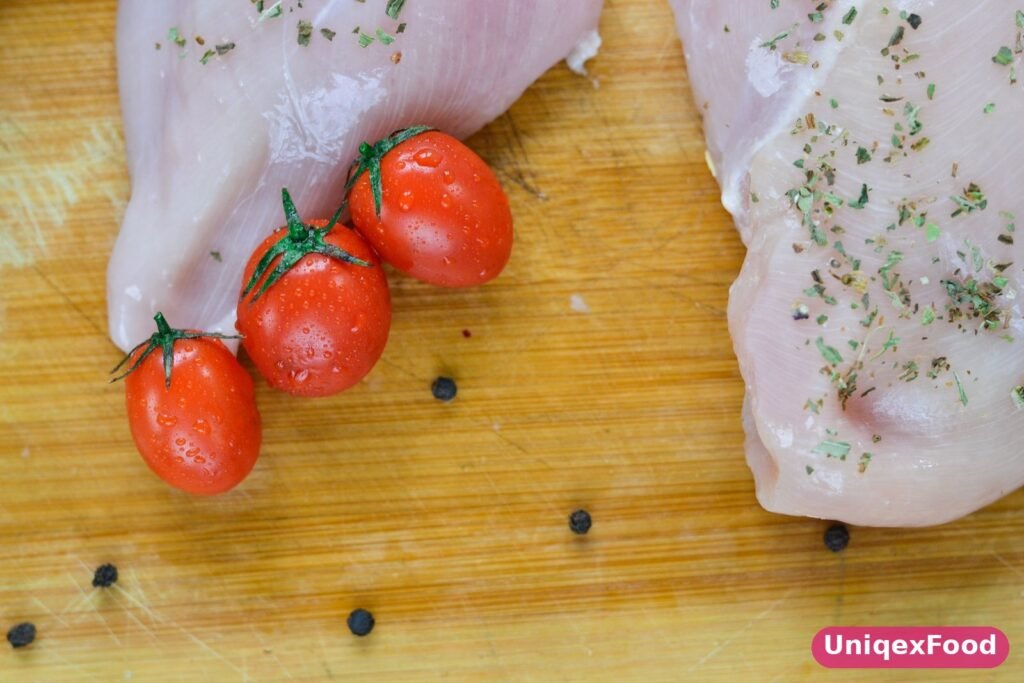
Heat the olive oil in a large oven-safe skillet or sauté pan over medium-high heat until it shimmers. Place the chicken thighs in the pan skin-side down, leaving space between them, and sear them for five to six minutes without moving them at all. I know it is tempting to peek, but leaving them alone is what builds that deep golden crust. When the skin is richly browned and the chicken releases easily from the pan, turn the thighs over with tongs and sear the other side for three minutes. Transfer the chicken to a plate for a moment. It will not be cooked through yet, and that is exactly right — the oven will finish the job.
Lower the heat to medium and add the sliced garlic and red onion to the same pan, scraping up the browned bits from the bottom as you stir. Those browned bits are pure flavour, and you want them in the sauce, not stuck to the pan. Cook for two minutes until the onion has softened and the garlic smells fragrant, then add the halved cherry tomatoes, the olives, and the capers. Stir everything together and let it cook for two more minutes, until the tomatoes just start to soften and release their juices.
Pour in the chicken stock and the red wine vinegar, and bring the pan to a gentle simmer. Slide the lemon slices in among the tomatoes, then nestle the chicken thighs back into the pan skin-side up, spooning a little of the tomato mixture over the meat but keeping the skin exposed so it stays crisp. Transfer the whole pan to an oven preheated to 200°C (400°F) and bake for twenty to twenty-five minutes, until the chicken reaches 74°C (165°F) in the thickest part and the tomatoes have burst into a jammy sauce.
Take the pan out of the oven and let it rest for five minutes. The sauce will thicken slightly as it cools, and the chicken will stay juicy. Crumble the feta over the top, scatter the chopped parsley or basil, and serve straight from the pan at the table, family-style, with plenty of crusty bread for the sauce. The whole dish looks so beautiful in the pan that I rarely bother plating it up — I just put the pan on a board in the middle of the table and let everyone help themselves.
Tips for the Best Mediterranean Chicken
Dry the chicken skin properly before you season it. This is the single biggest difference between golden, crisp skin and pale, rubbery skin, and it takes ten seconds with a paper towel. If the skin is wet when it hits the pan, it steams instead of searing, and no amount of oven time afterwards will fully rescue it. Pat it dry, season it well, and do not crowd the pan. If your thighs do not fit in a single layer with space between them, sear them in two batches. Crowded chicken steams, spaced chicken browns, and that rule never changes.
Do not skip the sear, and do not rush it. Five to six minutes skin-side down feels like a long time when you are standing at the stove, but that is how long it takes to build a proper crust and render the fat from the skin. If you flip the chicken too early, the skin sticks to the pan and tears. When the skin is ready, the chicken will release from the pan almost on its own. A well-seasoned cast iron skillet or a heavy stainless steel pan works best here, because it holds its heat and browns evenly.
Use cherry tomatoes, not large ones, because they burst and collapse into a sauce in the time the chicken takes to cook. Large tomatoes need longer and release too much water, which thins the sauce and makes the whole dish soupy. Halving the cherry tomatoes helps them break down faster and lets their juices mix with the pan drippings. If your tomatoes are not very sweet, add a pinch of sugar to the pan with the stock — just a quarter of a teaspoon is enough to round out the flavour without making the sauce taste sweet.
Keep the skin dry in the oven. When you nestle the chicken back into the pan, spoon the tomato mixture around the thighs, not over them, and keep the skin facing up and exposed. If the skin sits in the sauce, it goes soft. If it stays above the sauce, it stays crisp. The same rule applies to the lemon slices — tuck them among the tomatoes, not on top of the chicken. A quick finish under the grill for two minutes at the end will crisp the skin even further, but watch it closely, because garlic burns fast. If you love this kind of one-pan cooking, this one-pan chicken and sausage skillet uses the same sear-then-bake method with a heartier, smokier flavour.
Taste the sauce before you serve it. Tomatoes vary enormously in sweetness and acidity, and olives vary in saltiness, so the sauce may need a pinch more salt, a squeeze more lemon, or a tiny bit of sugar to bring it into balance. Taste it, adjust it, and then add the feta, because the feta adds salt of its own. The sauce should taste bright and savoury, a little tangy from the lemon and vinegar, and rich from the chicken juices. When it tastes right on its own, it will taste wonderful with the chicken.
Variations to Try
For a creamy version, stir three tablespoons of cream cheese or a splash of double cream into the sauce when the pan comes out of the oven, and skip the feta on top. The cream turns the tomato sauce into something rich and silky, and it is wonderful spooned over rice or pasta. This is the version I make when I want the dish to feel a little more indulgent, and it is lovely on a cold evening when comfort food is the only thing that will do.
For a spicy version, add half a teaspoon of chilli flakes and a finely chopped fresh red chilli to the pan with the garlic, and swap the smoked paprika for hot paprika on the chicken. The heat sits in the background and makes the sweet tomatoes taste even sweeter. Serve it with a cooling yoghurt sauce or a simple cucumber salad to balance the warmth. If you like things even bolder, stir a spoonful of harissa paste into the stock before you pour it in.
For a chickpea version, add a drained tin of chickpeas to the pan with the tomatoes, and use boneless chicken thighs so everything cooks at the same speed. The chickpeas soak up the sauce and turn soft and flavourful, and the dish becomes a complete one-pan meal that barely needs a side. This is the version I make when I want to stretch the chicken a little further, and it is brilliant for feeding a crowd on a budget.
For a fish version, swap the chicken for four thick white fish fillets, such as cod or sea bass, and shorten the oven time to twelve to fifteen minutes. Add the fish to the pan after the tomatoes have softened, spoon the sauce over the top, and bake until the fish flakes easily. The Mediterranean flavours work just as beautifully with fish, and the whole dish comes together even faster. For more Mediterranean inspiration, the BBC Good Food Mediterranean recipe collection has plenty of ideas, and this Mediterranean chicken recipe shows another lovely take on the same sunny flavours.
Serving Ideas
The classic way to serve this chicken is straight from the pan in the middle of the table, with a big loaf of crusty bread for mopping up the sauce, and honestly, there is a reason that combination has lasted so long. The bread soaks up the tomato and olive juices, the chicken is juicy and golden, and everyone helps themselves, which makes the whole meal feel relaxed and generous. Put the pan on a wooden board, scatter the feta and herbs over the top, and let people serve themselves.
For a heartier meal, serve the chicken over rice, orzo, or couscous, which all soak up the sauce beautifully. A simple lemon and herb rice is my favourite pairing, because it catches every drop of the pan juices and the lemon in the rice echoes the lemon in the pan. Roasted potatoes are lovely too, especially small ones roasted in olive oil with a little oregano. If you want something lighter, a big green salad with cucumber and red onion is all you need, and the warm chicken wilts the greens just slightly.
If you are feeding kids, serve the chicken sliced into strips with rice and a little extra feta crumbled over the top — the familiar flavours make it an easy sell even for picky eaters, and the tomatoes are sweet enough that most children love them. For a more grown-up spread, add a bottle of crisp white wine, a plate of good olives, and some marinated artichokes. And do not forget the lemon wedges on the table, because a squeeze of fresh lemon over the hot chicken right before eating lifts every flavour on the plate. For another rich, tomato-based chicken dinner, this butter chicken with creamy tomato sauce is a completely different take on the same comfort.
For a complete Mediterranean spread, serve the chicken with a bowl of tzatziki, a chopped Greek salad, and some warm flatbreads. The cool yoghurt sauce against the warm, salty chicken is a wonderful contrast, and the whole table feels like a holiday. Leftovers are wonderful the next day too, shredded into wraps with a little of the sauce and some salad, or tossed through pasta with a handful of spinach. However you serve it, bring the pan to the table — it looks too good to hide in the kitchen.
Storage and Reheating
Leftover Mediterranean chicken keeps really well, which is one of the reasons I often make a double batch on purpose. Let it cool completely, then store the chicken and sauce together in an airtight container in the fridge for up to four days. The flavours actually improve overnight, as the tomatoes, olives, and lemon have more time to mingle with the chicken juices. The chicken is also lovely cold, sliced into salads and wraps, and I often pack it for lunch the next day exactly like that.
To reheat, the oven is your best friend. Place the chicken and sauce in a baking dish, cover loosely with foil, and warm it in a 180°C (350°F) oven for fifteen to twenty minutes until heated through. Remove the foil for the last five minutes if you want the skin to crisp up again. The microwave works in a pinch — about two minutes on medium power, covered — but the skin will soften, so the oven is worth the extra few minutes when you have them. Add a fresh crumble of feta and a squeeze of lemon after reheating to brighten it back up.
For longer storage, this chicken freezes well for up to two months, though the tomatoes will be softer when thawed. Wrap each cooled thigh individually in cling film, then pop them into a freezer bag with the sauce poured over, and label with the date. Thaw overnight in the fridge before reheating, and never refreeze chicken once it has been thawed. If you want more make-ahead one-pan dinners, this chicken skillet with frozen vegetables is another great option for cooking once and eating twice.
Frequently Asked Questions
Can I use chicken breasts instead of thighs?
Yes, you can, but you will need to adjust the cooking time and take a little more care. Chicken breasts dry out much more easily than thighs, so use boneless breasts pounded to an even thickness and start checking for doneness after about fifteen minutes in the oven. The sauce will help keep them moist, but I would still recommend thighs for the juiciest result. If you do use breasts, let them rest for a full five minutes after cooking, and slice against the grain for the most tender pieces.
Can I use black olives instead of green olives?
Yes, absolutely, and they work really well. Black olives are milder and a little sweeter than green olives, so the sauce will taste slightly less salty and tangy. Kalamata olives are my favourite swap — they are rich, fruity, and hold their shape beautifully in the sauce. You can also use a mix of green and black olives, which looks lovely on the plate. Just be sure to use pitted olives, or warn everyone at the table, because biting into a pit is never fun.
Do I need to use a skillet that goes in the oven?
It helps, but it is not essential. If your pan is not oven-safe, simply transfer everything to a baking dish after you have built the sauce — chicken nestled in, skin-side up, sauce spooned around it — and bake it that way. You lose a little of the browned flavour from the pan, but the dish still turns out beautifully. A cast iron skillet is ideal if you have one, because it goes from hob to oven without any fuss and holds its heat so well.
Can I make this recipe ahead of time?
Yes, and it is a great one for planning ahead. You can season the chicken and prepare the vegetables up to twenty-four hours in advance, then keep everything covered in the fridge until you are ready to cook. You can also cook the whole dish a day ahead — the flavours actually improve overnight. Reheat it gently in the oven at 180°C (350°F) for twenty minutes, then add the fresh feta and herbs just before serving so they stay bright and fresh.
What if my tomatoes are not very sweet?
Add a pinch of sugar to the pan with the stock — just a quarter of a teaspoon is enough to round out the flavour without making the sauce taste sweet. You can also use a spoonful of sun-dried tomato paste stirred into the stock, which adds sweetness and depth at the same time. Roasting the tomatoes a little longer before you add the stock helps too, because the heat concentrates their natural sugars. Taste the sauce before you serve it and adjust with a little more lemon, salt, or sugar until it tastes balanced.
What should I serve with Mediterranean chicken?
The classic pairing is crusty bread for the sauce, but this chicken is flexible enough to go with almost anything. Rice, orzo, couscous, or roasted potatoes all work well, as do simple green salads and grilled vegetables. For a fuller Mediterranean spread, add tzatziki, a chopped Greek salad, and warm flatbreads. A glass of crisp white wine alongside, if you drink it, turns an ordinary Tuesday into something worth remembering, and a squeeze of fresh lemon over the top just before serving ties everything together, whatever you choose to put alongside it.


One Comment