
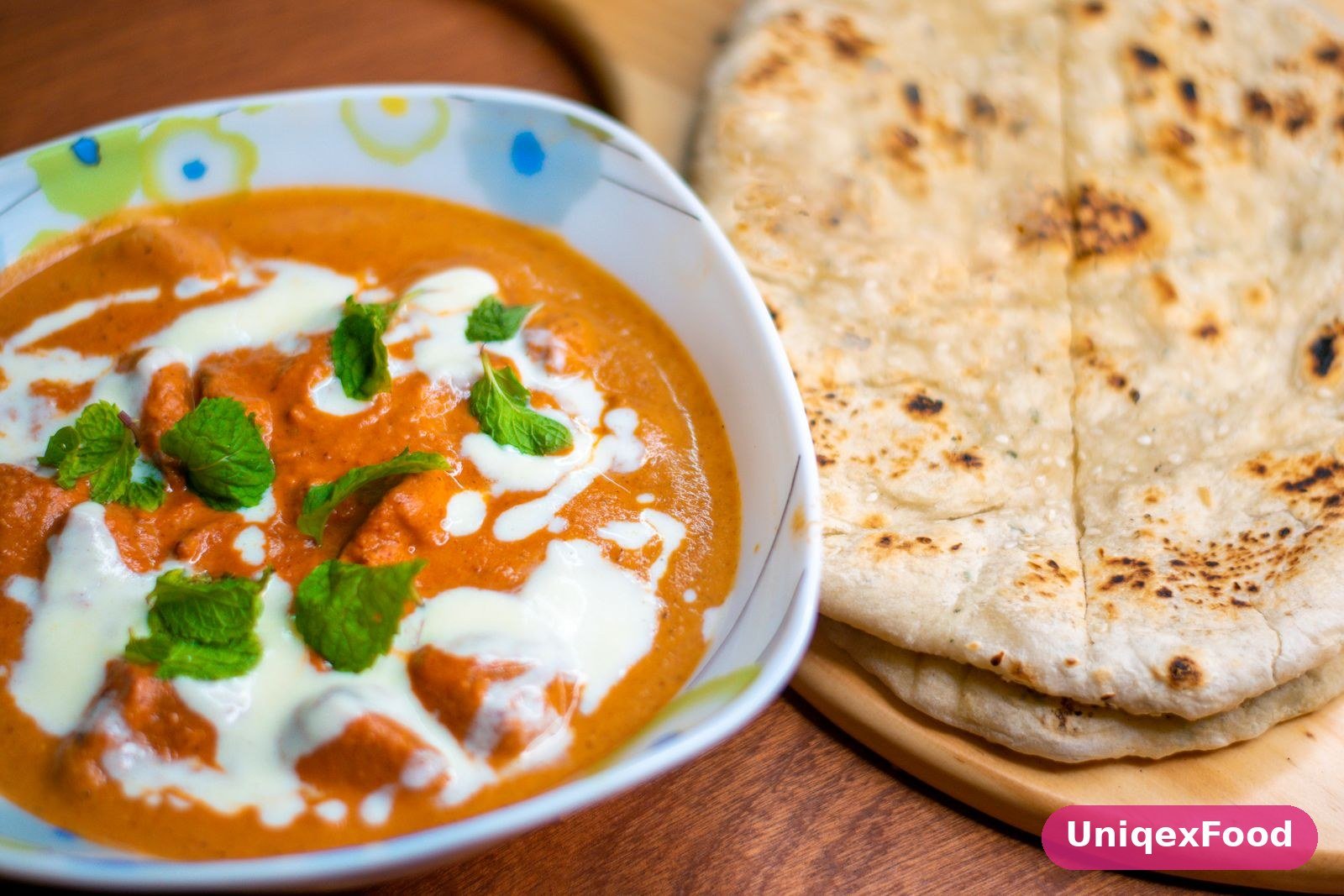
Butter Chicken with Creamy Tomato Sauce
Butter chicken is one of those dishes that everyone seems to love, and once you make it at home, you will wonder why you ever waited for takeaway night. Tender pieces of chicken, first marinated in yoghurt and spices, then folded into a silky tomato sauce enriched with butter and cream — it is rich without being heavy, gently spiced without being fiery, and the kind of meal that makes an ordinary evening feel like a small occasion. I first learned to make it years ago from a friend’s mother, who cooked it in a big, well-used pan while telling me that the secret was patience: let the sauce cook slowly, let the spices bloom, and never rush the cream.
What makes butter chicken so special is the sauce. It starts with tomatoes, onion, garlic, and ginger, cooked down until they are soft and sweet, then blended until smooth and simmered with butter and cream until it turns a beautiful orange-gold. The spices — garam masala, cumin, coriander, a little fenugreek — give it warmth and depth without making it hot, and a touch of honey or sugar balances the acidity of the tomatoes. It is a sauce that tastes far more complex than the effort involved, and it is the reason people mop their plates clean with naan bread.
The chicken matters too, and the yoghurt marinade is what makes it so tender. Even a short marinade — thirty minutes is enough — gives the chicken a lovely flavour and keeps it juicy as it cooks. I use boneless thighs for this recipe because they stay moist and have more flavour than breasts, but breasts work perfectly well too if that is what you prefer. The chicken is cooked first, then finished in the sauce, so it soaks up all that creamy, spiced goodness and comes out tasting like it has been simmering for hours.
This is a dish that suits almost any occasion. It is a wonderful Friday-night treat, a crowd-pleaser for friends, and a surprisingly practical weeknight dinner once you know the steps — most of the work is just stirring a pot. Serve it with basmati rice and warm naan, and you have a meal that feels like a celebration. And the leftovers, if there are any, are even better the next day, once the flavours have had a night to settle and deepen.
Why You’ll Love This Recipe
The first reason is that it tastes like your favourite restaurant dish, but better, because you made it yourself and you know exactly what went into it. The sauce is rich and silky, the chicken is tender, and the spices are warm rather than overpowering. It is the kind of food that makes people close their eyes for a second when they take the first bite, and then immediately ask for the recipe. I have made this for friends who were convinced they could not cook Indian food at home, and every one of them has gone on to make it themselves.
It is also much easier than it looks. The ingredient list might seem long at first glance, but most of it is spices you probably already have, and the method is straightforward: marinate the chicken, cook the sauce, blend it smooth, and bring it all together. There is no special equipment needed — a blender or a stick blender is helpful for the sauce, but even that is optional if you do not mind a slightly more rustic texture. From start to finish, you are looking at about an hour, and half of that is hands-off simmering time.
This recipe is wonderfully family-friendly too. The spice level is gentle, so children usually love it, and you can easily turn the heat up for the adults with a little extra chilli. It is a great introduction to Indian cooking for anyone who has been nervous about trying it, because the flavours are warm and familiar rather than challenging. And it scales beautifully — double the recipe for a crowd and it works just as well, which makes it a brilliant choice for gatherings. If you enjoy comforting chicken and rice meals, this easy chicken and rice for two is another cosy dinner worth keeping in mind.
Finally, butter chicken is one of those dishes that genuinely improves overnight. Make a big batch, eat half for dinner, and the rest will be even better the next day, once the spices have mellowed and the sauce has thickened slightly. It freezes beautifully too, which makes it perfect for batch cooking. A container of this in the freezer is one of the best things you can have on a night when you do not feel like cooking at all.
Ingredients You’ll Need
- 700 g (about 1 1/2 lbs) boneless, skinless chicken thighs, cut into bite-sized pieces
- 120 g (1/2 cup) plain full-fat yoghurt
- 1 tablespoon lemon juice
- 1 tablespoon grated fresh ginger
- 4 cloves garlic, minced, divided
- 1 tablespoon garam masala, divided
- 1 teaspoon ground cumin
- 1 teaspoon ground coriander
- 1 teaspoon smoked paprika
- 1/2 teaspoon turmeric
- 1/2 teaspoon chilli powder (adjust to taste)
- 1 teaspoon salt, divided
- 2 tablespoons vegetable oil or ghee
- 2 tablespoons butter
- 1 large onion, finely chopped
- 400 g (14 oz) tin chopped tomatoes, or 4 fresh tomatoes, chopped
- 1 tablespoon tomato paste
- 1 teaspoon sugar or honey
- 120 ml (1/2 cup) double cream (heavy cream)
- 1 teaspoon dried fenugreek leaves (kasuri methi), crushed, optional but recommended
- Fresh coriander leaves, for garnish
How to Make Butter Chicken with Creamy Tomato Sauce
Start with the marinade, because the chicken needs at least a little time to soak up the flavours. In a large bowl, mix together the yoghurt, lemon juice, half the grated ginger, half the minced garlic, half the garam masala, the cumin, coriander, paprika, turmeric, chilli powder, and half the salt. Stir it until it is smooth and fragrant, then add the chicken pieces and toss them until every piece is well coated. Cover the bowl and leave it in the fridge for at least thirty minutes, or up to overnight if you are planning ahead. The longer it marinates, the more flavourful and tender the chicken will be, but even half an hour makes a real difference. While the chicken marinates, chop the onion, mince the remaining garlic and ginger, and get everything else measured out so the cooking goes smoothly.
When you are ready to cook, heat the oil in a large, deep pan or a wide pot over medium-high heat. Take the chicken out of the marinade, shaking off the excess — you want the pieces coated, not dripping — and cook them in batches, giving each piece room in the pan. Let them brown for three to four minutes on each side until they have a little colour and are cooked most of the way through. They do not need to be fully cooked at this stage, because they will finish in the sauce. Set the browned chicken aside on a plate while you make the sauce, and do not worry about the browned bits left in the pan — those are pure flavour, and they will dissolve into the sauce.
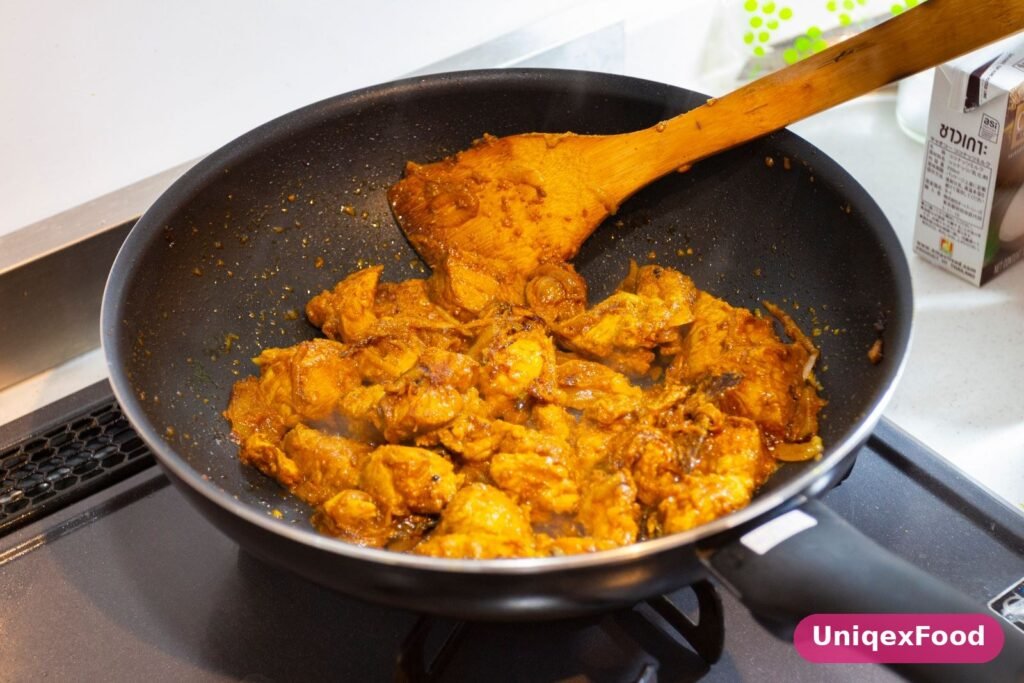
Now for the sauce, which is where the magic happens. Turn the heat down to medium, add the butter to the same pan, and when it melts, add the chopped onion with a pinch of salt. Cook the onion gently for about eight minutes, stirring now and then, until it is soft, golden, and sweet. Add the remaining garlic and ginger and cook for another minute until fragrant, then stir in the tomato paste and cook it for a minute more — this takes the raw edge off the paste and deepens the colour. Pour in the chopped tomatoes, add the sugar, the remaining garam masala, and the rest of the salt, and let everything simmer gently for fifteen minutes, stirring occasionally, until the tomatoes have broken down and the sauce has thickened and darkened slightly.
Take the pan off the heat and blend the sauce until it is completely smooth. A stick blender right in the pan is the easiest way, but a regular blender works too — just let the sauce cool for a few minutes first and blend it in batches, holding the lid down firmly with a tea towel. Pour the smooth sauce back into the pan and return it to a gentle heat. Stir in the cream and the crushed fenugreek leaves, and let it simmer very gently for five minutes. Taste it and adjust — a little more salt, a pinch more sugar if the tomatoes are sharp, or a little extra chilli if you want more warmth. The sauce should be silky, rich, and a beautiful orange-gold colour.
Finally, return the chicken to the pan, along with any juices from the plate, and stir it into the sauce. Let it simmer gently for ten minutes, until the chicken is cooked all the way through and has soaked up the flavour of the sauce. Keep the heat low — a hard boil will split the cream and toughen the chicken, and you want a gentle, lazy simmer. Check the thickest piece of chicken with a thermometer if you have one; it should read 74°C (165°F). Taste once more, adjust the seasoning, and finish with a swirl of extra cream and a scattering of fresh coriander. For more ideas on using up leftover chicken and rice, these leftover chicken and rice dinner ideas are a brilliant way to stretch a meal into a second one.
Tips for Butter Chicken with Creamy Tomato Sauce
The most important tip is to cook the sauce properly before blending. The tomatoes need a good fifteen minutes of gentle simmering to lose their raw, sharp edge and develop that deep, sweet, mellow flavour that makes butter chicken so good. If you rush this step, the sauce will taste thin and acidic no matter how much cream you add. Be patient, let it bubble away gently, and you will be rewarded with a sauce that tastes like it came from a proper restaurant kitchen.
Do not boil the sauce once the cream is in. Cream can split if it gets too hot, and a split sauce is grainy and unappetising. Keep the heat low, let it simmer gently, and stir it now and then. The same goes for the chicken — a gentle simmer keeps it tender, while a hard boil will make it tough and stringy. Low and slow is the way with this dish, and it is worth the extra few minutes. For safe cooking temperatures, the USDA food safety guidance is a useful reference — chicken should reach 74°C (165°F) internally.
Use full-fat yoghurt for the marinade and full-fat cream for the sauce. Low-fat yoghurt is more likely to split when it hits the hot pan, and low-fat cream will not give you the same rich, silky texture. This is not a dish to skimp on — the butter and cream are in the name, and they are what make it taste like butter chicken. If you want to lighten it slightly, you can use a little less cream and add a splash of milk, but keep the butter. It is essential.
Finally, taste and adjust at the end. Every tin of tomatoes is different — some are sweeter, some are sharper — so the sauce will need a slightly different balance each time. A pinch of sugar or a drizzle of honey tames sharp tomatoes, a little extra salt wakes everything up, and a squeeze of lemon at the very end can brighten the whole dish. And if you are looking for more inspiration, the BBC Good Food butter chicken recipe is a lovely comparison for how the classic version comes together.
Variations to Try
If you prefer a milder dish, leave out the chilli powder entirely and use sweet paprika instead of smoked — the result is warm and gentle, and children tend to love it. For more heat, add a finely chopped green chilli to the sauce along with the garlic and ginger, or stir in a little extra chilli powder at the end. You can also make a smoky version by cooking the marinated chicken under the grill or on the barbecue before adding it to the sauce, which gives it a wonderful charred edge that is very close to the tandoori original.
For a dairy-free version, swap the butter for oil or dairy-free butter, use coconut yoghurt in the marinade, and finish the sauce with full-fat coconut milk instead of cream. The flavour will be a little different — richer and slightly sweeter — but still delicious. You can also make this with paneer instead of chicken for a vegetarian version; just fry the paneer cubes until golden and simmer them in the sauce for five minutes. The sauce is so good that it works with almost anything you put in it.
Another lovely variation is to add vegetables to the sauce. A handful of peas stirred in at the end, some roasted cauliflower, or a few chunks of sweet potato simmered in the sauce all work beautifully. And if you love one-pan chicken and rice dinners, this one-pan chicken and rice for two is another comforting meal that comes together with minimal fuss.
Serving Ideas
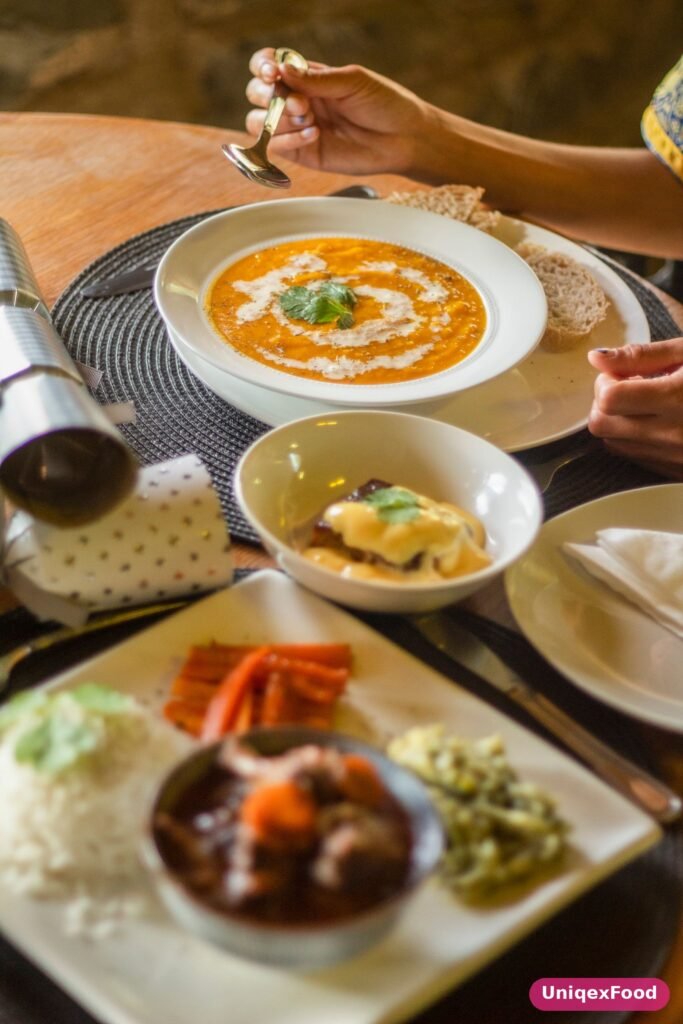
The classic way to serve butter chicken is with fluffy basmati rice and warm naan bread, and honestly, that combination is hard to improve on. The rice soaks up the sauce, the naan is perfect for scooping, and together they turn the dish into a proper feast. Cook the rice with a couple of cardamom pods and a bay leaf for extra fragrance, and warm the naan in a dry pan or under the grill just before serving so it is soft and slightly charred at the edges.
For a lighter meal, serve the butter chicken with a simple cucumber and tomato salad, or a bowl of raita — yoghurt with grated cucumber, a pinch of salt, and a little chopped mint. The cool, fresh raita is a wonderful contrast to the rich, warm sauce, and it is the perfect thing to have on the table alongside. A simple green salad works well too, and a glass of mango lassi is the traditional drink to go with it.
If you are feeding a crowd, butter chicken is a brilliant centrepiece. Set out a big pot of it in the middle of the table with bowls of rice, a stack of naan, a cucumber salad, and some mango chutney, and let everyone help themselves. It is generous, it is comforting, and it is the kind of meal that makes people linger at the table long after they have finished eating. For a Mediterranean-flavoured chicken dinner on another night, this Greek lemon chicken with oregano and potatoes is a bright and herby contrast to the richness of butter chicken.
Storage and Reheating
Butter chicken keeps beautifully in the fridge for up to four days in an airtight container, and it honestly tastes even better the next day, once the spices have had time to settle and the sauce has thickened slightly. Let it cool completely before refrigerating, and store the rice separately so it does not go soggy. To reheat, warm it gently in a pan over low heat, stirring occasionally, until it is heated all the way through. Add a splash of water or cream if the sauce has thickened too much, and taste and adjust the seasoning before serving.
The microwave works too — about two to three minutes on medium power, stirring halfway through — but the pan gives you more control and a better texture. Avoid reheating it at a high heat, because the cream can split and the chicken can toughen. Low and gentle is the rule, just as it was when you cooked it.
Butter chicken also freezes exceptionally well, which makes it perfect for batch cooking. Cool it completely, pack it into freezer containers or bags in meal-sized portions, and freeze for up to three months. Thaw overnight in the fridge, then reheat gently in a pan, adding a splash of cream or water to loosen the sauce. The chicken stays tender, the sauce stays silky, and you have a restaurant-quality dinner ready in minutes on a night when you do not feel like cooking.
Frequently Asked Questions
Can I make butter chicken with chicken breasts?
Yes, you can, and it works well. Chicken breasts are leaner than thighs, so they cook a little faster and can dry out if they are overcooked, so keep a close eye on them. Cut them into even, bite-sized pieces, marinate them the same way, and cook them in the pan for about two to three minutes per side. They will finish cooking in the sauce, so do not worry about getting them fully cooked in the pan — just get a little colour on them and let the sauce do the rest.
How spicy is butter chicken?
Butter chicken is a mild, gentle curry — warm and flavourful rather than hot. The heat comes from the chilli powder, which you can adjust to your own taste. The amount in this recipe gives a very mild warmth that most people, including children, are comfortable with. If you want it hotter, add a chopped green chilli to the sauce or increase the chilli powder. If you want it completely mild, leave the chilli out altogether and the dish will still be delicious, just warmly spiced rather than spicy.
Can I make butter chicken without a blender?
Yes, you can. The sauce will be a little more rustic and textured, but it will still taste wonderful. Just cook the onions and tomatoes until they are very soft, then mash them well with a potato masher or the back of a spoon, and simmer the sauce for a few extra minutes. You can also push the sauce through a sieve for a smoother result. A stick blender is the easiest option if you have one, but it is by no means essential.
What is kasuri methi, and do I need it?
Kasuri methi is dried fenugreek leaves, and it is the ingredient that gives butter chicken its distinctive, slightly smoky, restaurant-style flavour. It is traditional in the dish and it does make a noticeable difference, but the recipe will still be delicious without it. You can find it in most Indian grocery shops and in the spice aisle of larger supermarkets. Crush the leaves between your palms before adding them to release their aroma, and add them right at the end of cooking so their flavour stays bright.
Can I make butter chicken ahead of time?
Absolutely, and it is actually one of the best dishes to make ahead, because the flavours improve overnight. Cook the whole dish, let it cool, and refrigerate it for up to four days, or freeze it for up to three months. Reheat it gently in a pan over low heat, adding a splash of cream or water if the sauce has thickened. Cook the rice fresh on the day you serve it, and warm the naan just before eating.
What should I serve with butter chicken?
Basmati rice and naan bread are the classic partners, and they are the best choice for soaking up the sauce. A cucumber raita or a simple salad adds freshness and balance, and mango chutney is a lovely sweet contrast on the side. If you want to keep it light, serve the butter chicken with a big green salad and skip the rice. A cold mango lassi or a light lager is the perfect drink alongside, and a sprinkle of fresh coriander over the top just before serving ties everything together.



2 Comments