Grilled Chicken with Chimichurri Sauce
There is a sauce that changed the way I think about grilled chicken, and it is a bright green, garlicky, herby sauce from Argentina called chimichurri. I first tasted it at a friend’s barbecue one summer evening, spooned generously over smoky chicken straight off the grill, and I remember thinking that something so simple had no business tasting that good. It was fresh and sharp and a little bit fiery, and it turned a plain piece of grilled chicken into the best thing on the table. I went home and made it the very next day, and it has been a regular in my kitchen ever since.
Chimichurri is one of those recipes that sounds fancy and tastes like a restaurant dish, but asks almost nothing of you. It is just flat-leaf parsley, garlic, dried oregano, a little chilli, red wine vinegar, and good olive oil, chopped and stirred together in a bowl. There is no cooking involved at all, no blender, no special equipment, and the whole sauce comes together in about ten minutes with a knife and a chopping board. The vinegar gives it brightness, the garlic gives it bite, and the parsley keeps everything fresh and green. Once you have made it once, you will start putting it on everything.
What makes this particular recipe work so well is the partnership between the chicken and the sauce. Grilled chicken on its own can be a little plain, especially the leaner cuts, and chimichurri is exactly what it needs — moisture, acidity, and a huge amount of flavour, all spooned over the top at the end. The chicken itself is seasoned simply, with salt, pepper, garlic, and a little smoked paprika, then grilled over a proper high heat until the outside is charred at the edges and the inside is juicy. The sauce goes on after the chicken comes off the grill, so the herbs stay bright and fresh instead of wilting in the heat, and every bite gets a little of both.
It is also a genuinely practical dinner for real life. The sauce can be made in the morning and kept in the fridge until dinner, the chicken takes about twenty minutes on the grill, and the whole meal is on the table in half an hour. It feeds four people generously, it scales up easily for a crowd, and it is the kind of dinner that feels like a celebration without any of the effort of one. I make it whenever the weather is good enough to eat outside, and I make it in the middle of winter too, on a grill pan, when I need dinner to taste like summer.
Why You’ll Love This Recipe
First of all, the sauce does almost all of the work, and that is a wonderful thing. A lot of grilled chicken recipes ask you to marinate for hours, or to build a complicated glaze, or to babysit the grill with a basting brush. This one does none of that. The chicken gets a simple seasoning and a hot grill, and the chimichurri — made in ten minutes while the grill heats up — brings all the flavour. It is the easiest way I know to make grilled chicken taste like something special, and once you have tried it, plain grilled chicken will feel like a missed opportunity.
The flavour is the second reason this recipe earns a permanent place in my cooking. Chimichurri is bright and punchy in a way that most sauces are not. The parsley is fresh and green, the garlic is warm and savoury, the vinegar cuts through the richness of the chicken, and the chilli leaves a gentle heat at the back of your throat. It is not a heavy sauce, and it does not hide the chicken — it makes the chicken taste more like itself, just better. If you enjoy bright, lemony chicken, you will also love this Greek lemon chicken with oregano and potatoes, which uses the same kind of sunny, herby seasoning in a simpler roast.
It is also a wonderfully forgiving recipe, which matters more than people admit. Chicken thighs are hard to overcook and stay juicy even if you get distracted, and the sauce is impossible to get wrong in any serious way — a little more garlic, a little less chilli, a splash more vinegar, and it is still delicious. You can make the chimichurri a day ahead, you can use breasts instead of thighs, and you can cook the chicken on a barbecue, a grill pan, or under the grill in your oven. The recipe bends to fit your kitchen and your evening, and that is exactly what a good weeknight dinner should do.
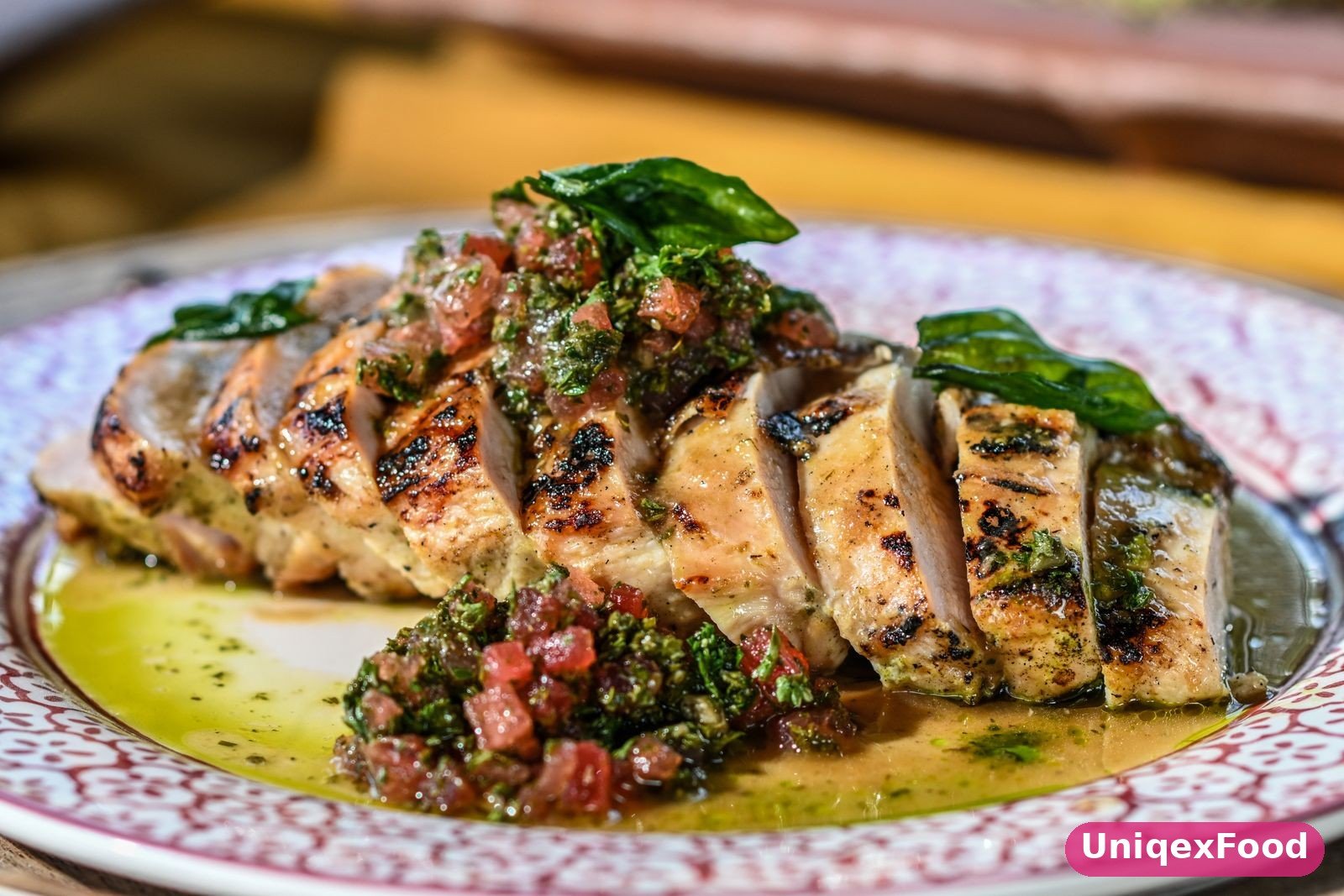
Finally, this is a dinner that looks as good as it tastes, and I mean that as a real compliment rather than a throwaway line. The chicken comes off the grill golden and charred at the edges, and the chimichurri is a vivid, almost electric green. Spooned over the top, with a few extra parsley leaves scattered around, it looks like something from a restaurant. Put it on the table on a big platter, let everyone help themselves, and dinner suddenly feels like an occasion, even when it is just a Tuesday night.
Ingredients You’ll Need
- 8 boneless, skinless chicken thighs (about 800 g / 1.75 lbs), or 4 large chicken breasts
- 2 tablespoons olive oil, plus more for the grill
- 1 teaspoon garlic powder
- 1 teaspoon smoked paprika
- 1 teaspoon fine sea salt, plus more to taste
- 1/2 teaspoon black pepper, freshly ground
- 1/2 teaspoon ground cumin
- 1 lemon, cut into wedges, to serve
- 1 large bunch flat-leaf parsley (about 60 g / 2 oz), leaves picked
- 4 cloves garlic, finely chopped
- 1 small shallot, very finely chopped (optional)
- 1 red chilli, deseeded and finely chopped, or 1/2 teaspoon chilli flakes
- 1 teaspoon dried oregano
- 80 ml (1/3 cup) red wine vinegar
- 120 ml (1/2 cup) extra-virgin olive oil
- 1/2 teaspoon fine sea salt, for the sauce
- 1/4 teaspoon black pepper, freshly ground, for the sauce
How to Make Grilled Chicken with Chimichurri Sauce
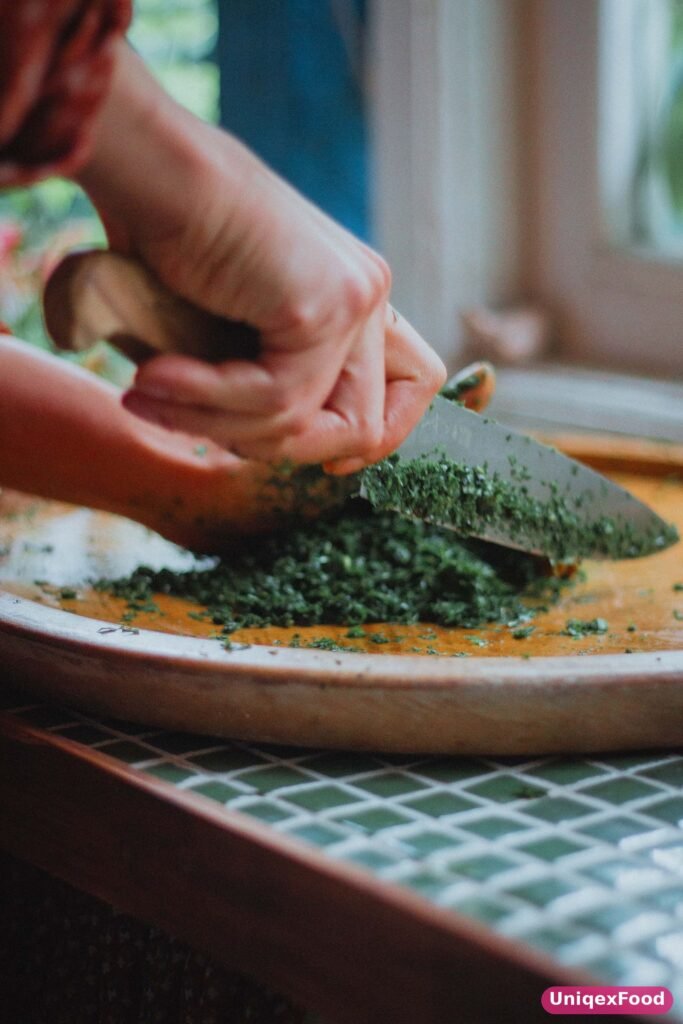
Start with the chimichurri, because it needs a little time for the flavours to come together. Finely chop the parsley leaves by hand — you want small, even pieces, not a paste — and put them in a bowl with the chopped garlic, the shallot if you are using it, the chilli, and the dried oregano. Pour in the red wine vinegar and the olive oil, add the salt and pepper, and stir everything together. Taste it and adjust: a little more vinegar if you want it sharper, a pinch more salt if it tastes flat, another pinch of chilli if you want more heat. Then leave it on the counter for at least fifteen minutes while you prepare the chicken. That short rest matters more than it sounds, because it gives the garlic time to mellow and the vinegar time to soften the raw edge of the onion and chilli.
While the sauce rests, prepare the chicken. Pat the thighs completely dry with paper towels, because dry chicken browns properly on the grill and wet chicken just steams. Mix the garlic powder, smoked paprika, salt, black pepper, and cumin in a small bowl, then rub the mixture all over the chicken with the two tablespoons of olive oil. If you are using chicken breasts, pound them gently to an even thickness of about two centimetres first, so they cook evenly and do not dry out at the thin end. Let the seasoned chicken sit at room temperature for ten to fifteen minutes while the grill heats up. Cold chicken straight from the fridge hits a hot grill and seizes up, so this short rest makes a real difference to how juicy it turns out.
Heat your grill — barbecue or grill pan — to a medium-high heat, and brush the grates lightly with oil so the chicken does not stick. Place the chicken on the grill and leave it alone for five to six minutes. I know it is tempting to lift it up and check, but leaving it alone is what builds those dark, beautiful grill marks and a proper charred edge. When the chicken releases easily from the grill, turn it over and cook the other side for another five to six minutes. Thighs will take ten to twelve minutes in total; breasts will take a little longer, about six to seven minutes a side, depending on their thickness.
Check that the chicken is cooked through before you take it off the grill. The safest way is a meat thermometer in the thickest part, which should read 74°C (165°F). If you do not have one, cut into the thickest piece and check that the juices run clear and there is no pink left in the middle. Transfer the chicken to a plate or a board and let it rest for five minutes. Resting is not optional, even when everyone is hungry — it lets the juices settle back into the meat instead of running out onto the board the moment you slice it. While the chicken rests, give the chimichurri a final stir and taste it once more, adjusting the salt or vinegar if it needs it.
To serve, slice the chicken thickly on the diagonal, arrange it on a platter or on individual plates, and spoon the chimichurri generously over the top. Do not be shy with the sauce — this is a recipe where the sauce is half the point, and everyone will want plenty of it. Squeeze a little lemon over the top if you like, scatter a few extra parsley leaves around the plate, and serve it straight away while the chicken is still warm and the sauce is bright and fresh.
Tips for the Best Grilled Chicken with Chimichurri Sauce
Chop the chimichurri by hand, and do not be tempted to use a food processor. A processor turns the parsley into a wet green paste in about three seconds, and the sauce loses all of its texture and much of its bright flavour. Hand-chopping takes a few extra minutes, but it keeps the parsley in distinct little pieces, the garlic in small flecks, and the sauce looking and tasting like something made by a person rather than a machine. If your knife skills are slow, that is fine — a slightly rustic chop is exactly right for this sauce, and nobody at the table will mind.
Let the sauce sit before you serve it. Fifteen minutes is the minimum, and half an hour is even better. Freshly mixed chimichurri can taste a little harsh, because the raw garlic and the vinegar are both at full strength. Given a short rest, the flavours settle into each other, the garlic softens, and the whole sauce becomes rounder and more balanced. I usually make the sauce first, then season the chicken, then heat the grill, and by the time the chicken is cooked, the sauce has had exactly the rest it needed. If you like smoky, bold flavours on the grill, this air fryer chicken satay with peanut sauce is another great example of a simple sauce doing the heavy lifting.
Pat the chicken dry before you season it. This is the single biggest difference between chicken with dark, crisp grill marks and chicken that looks pale and steamed, and it takes ten seconds with a paper towel. Wet skin or a wet surface does not brown — the water has to evaporate before any browning can start, and by then the inside is already overcooked. Dry the chicken, season it well, and make sure the grill is properly hot before the chicken goes on. If you can hold your hand about fifteen centimetres above the grill and count to three before the heat forces you to pull away, it is ready.
Do not move the chicken around on the grill. Once it is down, leave it down until it is time to turn it. Moving it breaks the contact with the hot grates, stops the grill marks from forming, and makes the chicken more likely to stick. When the chicken is ready to turn, it will release from the grill almost on its own — if it is still stuck fast, it is not ready yet, so give it another minute. The same rule applies to the second side. Patience on the grill is the difference between chicken that looks grilled and chicken that just looks cooked.
Let the chicken rest, and slice it against the grain. Five minutes of resting lets the juices redistribute through the meat, so every slice stays moist instead of drying out on the board. When you slice, cut across the fibres of the meat rather than along them, which keeps each piece tender instead of stringy. Spoon the chimichurri over the sliced chicken rather than over whole pieces, so the sauce gets into every cut and every bite has a little of both. A final squeeze of lemon over the top is not essential, but it brightens everything up and I almost always do it.
Variations to Try
For a spicy version, double the chilli and add half a teaspoon of chilli flakes to the sauce, and rub a little cayenne pepper into the chicken seasoning as well. The heat builds slowly and sits at the back of the throat, which works beautifully with the cool, herby parsley. Serve it with a cooling yoghurt sauce or a simple cucumber salad to balance the warmth, and have plenty of cold drinks on hand. This is the version I make when friends who like their food with a kick are coming over, and it never disappoints. If you want more ideas for chimichurri chicken, this chimichurri chicken recipe shows another lovely take on the same dish.
For a herby yoghurt drizzle version, stir three tablespoons of thick Greek yoghurt into half of the chimichurri just before serving, and spoon the two sauces side by side over the chicken. The yoghurt softens the sharpness of the vinegar and adds a creamy, cooling element that is wonderful with the smoky chicken. This is the version I make for children, or for anyone who finds raw garlic a little strong, and it is lovely spooned over rice or into wraps the next day.
For a marinade version, set aside half of the chimichurri before it touches the chicken, and use the other half as a marinade. Coat the chicken in the sauce, cover it, and leave it in the fridge for two to four hours, then scrape off the excess and grill as normal. The chicken picks up a wonderful herby flavour all the way through, and the reserved sauce goes over the top at the end. Do not use sauce that has touched raw chicken as a serving sauce — always keep the two batches separate. For more chicken inspiration, the BBC Good Food chicken recipe collection has plenty of ideas for every night of the week.
For a different protein, the same chimichurri works beautifully on grilled steak, prawns, or thick slices of halloumi. For steak, grill it to your liking, rest it, slice it thinly, and spoon the sauce over the top — it is the classic Argentine pairing, and for good reason. For prawns, thread them onto skewers, grill for two minutes a side, and serve with the sauce for dipping. The sauce is the star here, and once you have made a batch, you will find yourself looking for things to put it on. If you like herb-crusted chicken, this baked ranch chicken thighs with herbs uses a different herb coating but the same idea of letting the seasoning carry the dish.
Serving Ideas
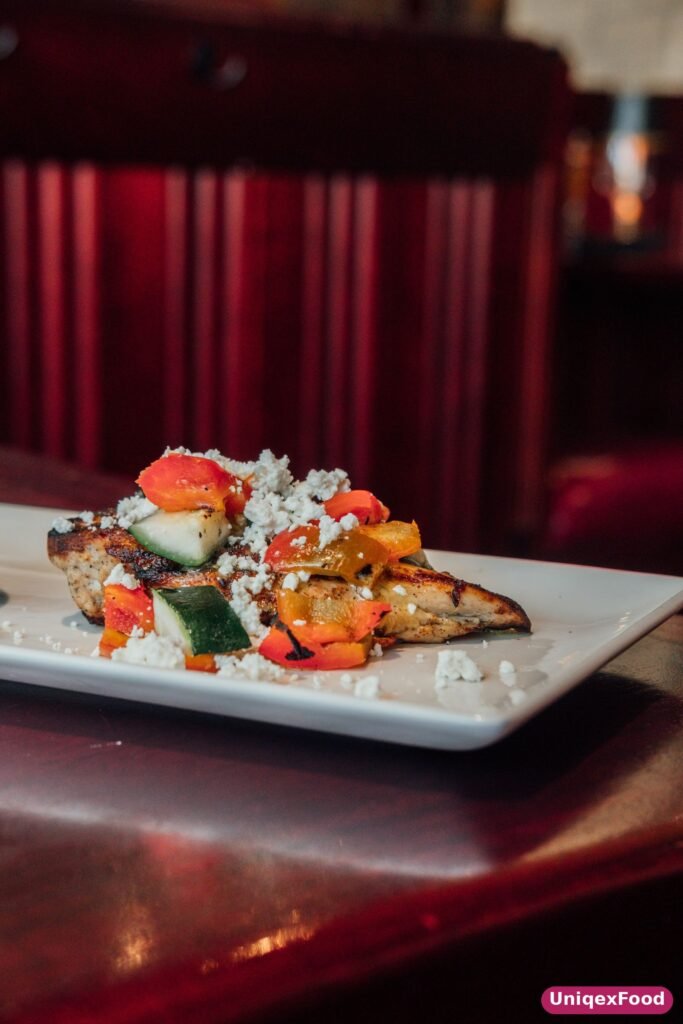
The classic way to serve chimichurri chicken is straight off the grill with something simple alongside it, and honestly, there is a reason that combination has lasted so long. I like it with grilled vegetables — courgettes, peppers, and red onion, brushed with oil and cooked on the same grill while the chicken rests — and a big green salad with lemon and olive oil. The vegetables pick up a little smoke from the grill, the salad stays cool and crisp, and the chimichurri ties everything together. Put it all on a big platter in the middle of the table and let everyone help themselves.
For a heartier meal, serve the chicken sliced over rice, or with roasted potatoes and a spoonful of the pan juices, or tucked into warm flatbreads with salad and a little extra sauce. The flatbread version is my favourite for a casual dinner with friends, because everyone builds their own and the table feels relaxed and generous. A pot of fluffy rice with a squeeze of lemon is lovely too, and it soaks up any sauce that runs off the chicken. For another rich, satisfying chicken dinner, this butter chicken with creamy tomato sauce is a completely different take on comfort food, and it is wonderful on the nights when you want something warming rather than bright.
If you are feeding a crowd, double the recipe and serve the chicken on a big board with bowls of chimichurri, lemon wedges, and a few different salads — a tomato and red onion salad, a simple coleslaw, and a bowl of good olives. The chicken can be grilled ahead and served at room temperature, which makes it perfect for a barbecue where you want to enjoy your own party instead of standing at the grill all evening. And do not forget the bread, because a good crusty loaf for mopping up the sauce is never wasted.
Storage and Reheating
Leftover chimichurri chicken keeps really well, which is one of the reasons I often make a double batch on purpose. Let the chicken cool completely, then store it in an airtight container in the fridge for up to three days, keeping any leftover chimichurri in a separate small container. The sauce itself will keep in the fridge for up to a week, and the flavours actually improve after a day or two, as the garlic mellows and the herbs settle into the oil. Bring the sauce back to room temperature before serving, and give it a good stir, because the oil can solidify slightly in the fridge.
To reheat the chicken, the oven is your best friend. Place the sliced chicken in a baking dish, cover loosely with foil, and warm it in a 180°C (350°F) oven for ten to twelve minutes until heated through. Add the chimichurri only after reheating, so the herbs stay bright and fresh. The microwave works in a pinch — about ninety seconds on medium power, covered — but the chicken will be softer, so the oven is worth the extra few minutes when you have them. Leftover chicken is also wonderful cold, sliced into salads and wraps, and I often pack it for lunch the next day exactly like that. A chicken skillet with frozen vegetables is another great make-ahead option for cooking once and eating twice.
For longer storage, the chicken freezes well for up to two months, though I would not freeze the chimichurri itself — fresh herbs do not survive freezing well, and the sauce is so quick to make that it is better fresh. Wrap each cooled thigh individually in cling film, then pop them into a freezer bag, and label with the date. Thaw overnight in the fridge before reheating, and never refreeze chicken once it has been thawed.
Frequently Asked Questions
Can I make the chimichurri ahead of time?
Yes, and it is a great one for planning ahead. You can make the sauce up to three days in advance and keep it in a sealed jar in the fridge. The flavours actually improve after a day, as the garlic mellows and the vinegar softens the raw edge of the onion. Bring it back to room temperature for about twenty minutes before serving, and stir it well, because the oil can thicken in the cold. If the parsley darkens a little after a couple of days, that is normal and the sauce will still taste wonderful.
Can I use chicken breasts instead of thighs?
Yes, you can, but you will need to take a little more care. Chicken breasts dry out much more easily than thighs, so pound them to an even thickness before grilling and start checking for doneness after about five minutes a side. The chimichurri will help keep them moist, but I would still recommend thighs for the juiciest result. If you do use breasts, let them rest for a full five minutes after cooking, and slice against the grain for the most tender pieces.
What if I do not have a barbecue or outdoor grill?
A grill pan on the hob works beautifully, and that is how I make this recipe for most of the year. Heat the pan until it is very hot, brush it lightly with oil, and cook the chicken exactly as described — the ridges give you the same charred marks and smoky flavour. You can also cook the chicken under the grill in your oven, on the highest shelf, turning it once halfway through. The flavour will be slightly less smoky, but the chimichurri still makes it taste wonderful.
Is chimichurri spicy?
Only mildly, and you are in complete control of the heat. The warmth comes from the fresh chilli or the chilli flakes, and one small chilli gives the sauce a gentle background heat rather than a real burn. If you like things mild, leave the seeds out of the chilli or use just a pinch of chilli flakes. If you like things hot, use two chillies and keep the seeds in. Taste the sauce as you make it and adjust until it suits you — there is no wrong amount.
Can I use a food processor to make the chimichurri?
You can, but I would not recommend it, and I say that as someone who loves a shortcut. A food processor turns the parsley into a wet green paste in a few seconds, and the sauce loses its texture and much of its fresh flavour. If you really want to use one, pulse it in very short bursts — two or three one-second pulses at most — and stop while the parsley is still in visible pieces. Hand-chopping takes about five minutes and gives you a much better sauce, so it is worth the effort.
What should I serve with chimichurri chicken?
The classic pairing is grilled vegetables and a simple green salad, but this chicken is flexible enough to go with almost anything. Rice, roasted potatoes, crusty bread, and flatbreads all work well, as do simple salads and grilled corn. For a fuller spread, add a tomato and red onion salad, a bowl of olives, and some marinated artichokes. A glass of crisp white wine alongside, if you drink it, turns an ordinary evening into something worth remembering, and a squeeze of fresh lemon over the top just before serving ties everything together, whatever you choose to put alongside it.