Moroccan Spiced Chicken Tagine with Preserved Lemon
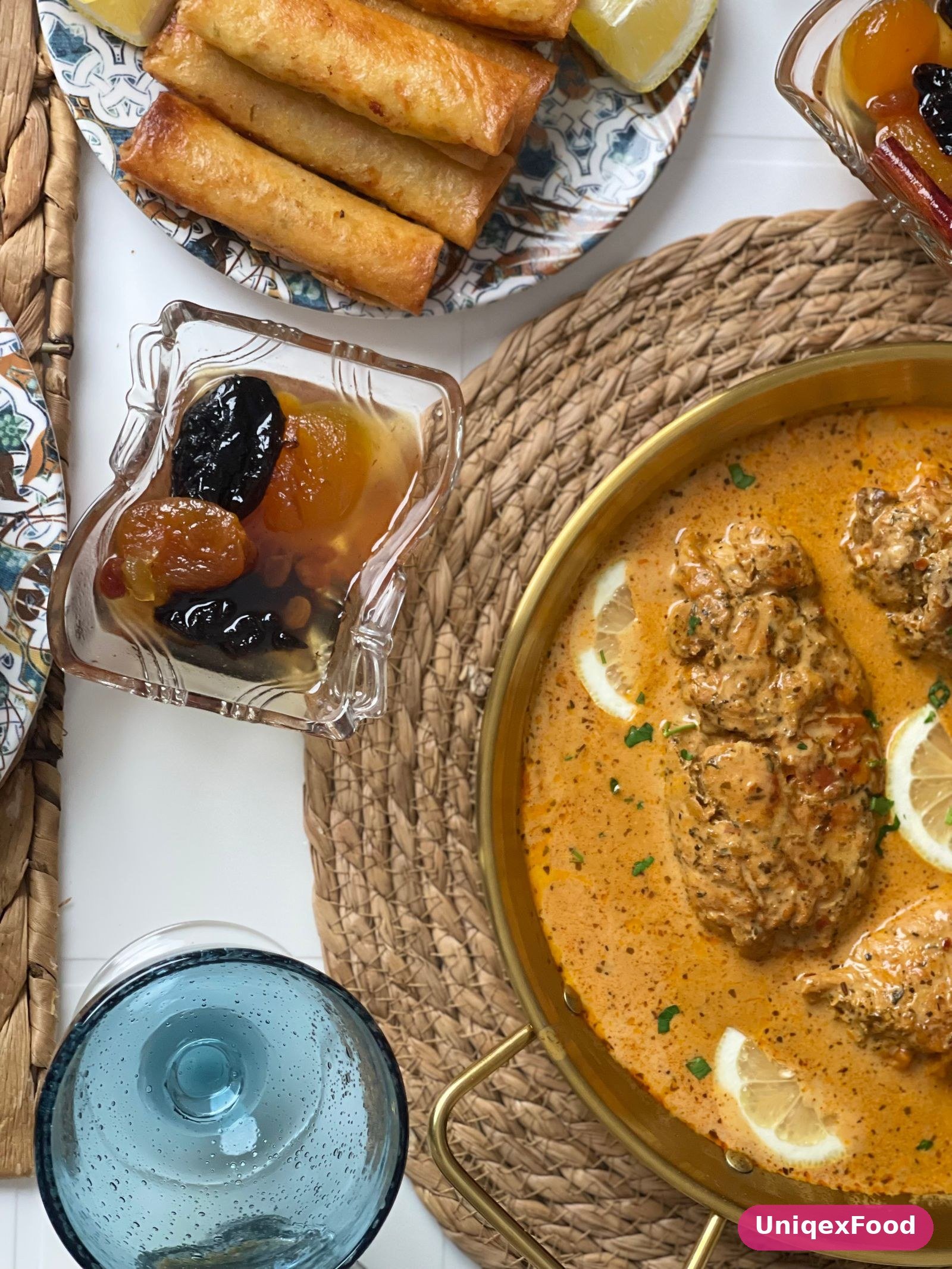
Some dinners announce themselves the moment you lift the lid, and this Moroccan spiced chicken tagine with preserved lemon is one of them. The steam carries cinnamon and ginger first, then something deeper — cumin, saffron, and that unmistakable salty brightness of preserved lemon — and suddenly the whole kitchen smells like a small restaurant in Marrakech. I first ate a proper chicken tagine years ago at a friend’s house, where her mother had cooked it the slow way in an actual clay tagine, the cone-shaped lid doing its quiet work while we sat around talking. Nobody rushed it. The chicken fell off the bone, the sauce was glossy and rich, and I remember thinking that this was what comfort food looked like in another country.
What I love most about this dish is that it feels special without asking much of you. There is no complicated technique here, no long list of fussy steps. You brown the chicken, soften some onions with spices, add everything to one pot, and then the oven — or the hob, on a low flame — does the rest. The tagine is a forgiving cook. It rewards patience rather than skill, and the sauce that forms as the chicken slowly braises is one of the best things you will ever spoon over rice or mop up with bread. It is the kind of recipe that makes a normal weeknight feel like a small occasion.
The preserved lemon is the ingredient that makes this dish what it is, and if you have never cooked with one before, you are in for a treat. A preserved lemon is a lemon that has been packed in salt and its own juice for weeks, until the rind turns soft, silky, and intensely fragrant — salty, floral, and nothing like fresh lemon at all. You use the rind, finely chopped, and it melts into the sauce, giving the whole dish a bright, savoury lift that balances the warmth of the spices. If you cannot find preserved lemons at your supermarket, the international aisle or a Middle Eastern grocer usually has them, and a jar lasts for months in the fridge. In a pinch, you can use the zest of a fresh lemon plus a pinch of salt, but the real thing is worth seeking out — it is the soul of the dish. If you are curious about how they are made, the preserved lemon page explains the traditional method nicely.
Then there are the spices, and this is where the tagine earns its warmth. Cumin, ginger, cinnamon, turmeric, and a pinch of saffron if you have it — each one playing a part, none of them shouting. The cinnamon gives the sauce a gentle sweetness, the ginger adds heat without fire, and the saffron, even in a tiny amount, turns everything a beautiful golden colour. It is a spice blend that smells like a market stall, and it is the reason this dish tastes so much more interesting than the sum of its parts. If you enjoy warming spice blends, this butter chicken with creamy tomato sauce uses a different but equally comforting mix of spices and is well worth trying on another night.
Why You’ll Love This Recipe
The first reason is how little hands-on time it takes. Once the chicken is browned and the onions are soft, everything goes into one pot and the cooking happens largely on its own. You will spend about twenty minutes at the hob and then the best part of an hour doing nothing at all while the tagine slowly bubbles away. That is the kind of cooking I love on a busy day — the work is done early, the house starts to smell wonderful, and dinner is ready when you are.
The second reason is the sauce. A good tagine sauce is not thin or watery; it is glossy, rich, and just thick enough to cling to the chicken and pool beautifully around a mound of couscous. As the chicken cooks slowly, it releases its juices into the spices and onions, and the preserved lemon and olives bring salt and brightness to balance the warmth. By the end, the sauce has reduced to something you will want to scrape out of the pot with bread. I always put a loaf on the table with this dish, because nobody wants to leave a drop behind.
It is also a wonderfully forgiving recipe. Chicken thighs are the right cut here, and they are almost impossible to overcook in a slow braise — they just get more tender. The spices are flexible too: if you do not have saffron, the dish is still delicious without it, and if you like things warmer, a little extra ginger or a pinch of chilli flakes does the job. This is a recipe that grows with you. The first time you make it, follow it as written; the second time, you will already know exactly how you like it.
Finally, this is a dish that feeds people generously and looks beautiful doing it. The golden chicken, the green olives, the flecks of preserved lemon and fresh coriander — it is the kind of meal you can put in the middle of the table and let everyone help themselves. It works for a quiet family dinner, and it works just as well when friends come over and you want to serve something that feels like an event without spending the whole evening in the kitchen.
Ingredients You’ll Need
- 8 bone-in, skin-on chicken thighs (about 1.2 kg / 2 1/2 lbs)
- 2 tablespoons olive oil
- 2 large onions, thinly sliced
- 4 cloves garlic, finely chopped
- 1 tablespoon fresh ginger, grated (or 1 teaspoon ground ginger)
- 2 teaspoons ground cumin
- 1 teaspoon ground cinnamon
- 1 teaspoon ground turmeric
- 1 teaspoon sweet paprika
- 1/2 teaspoon ground black pepper
- A generous pinch of saffron threads, soaked in 2 tablespoons warm water (optional, but lovely)
- 1 preserved lemon, rind only, rinsed and finely chopped
- 1 cup (150 g) green olives, pitted
- 400 ml (1 2/3 cups) chicken stock, low salt if possible
- 1 tablespoon honey
- 1 teaspoon fine sea salt (taste first — the olives and preserved lemon are salty)
- 2 tablespoons fresh coriander, chopped, for serving
- 2 tablespoons fresh flat-leaf parsley, chopped, for serving
- Toasted flaked almonds, for serving (optional)
How to Make Moroccan Spiced Chicken Tagine with Preserved Lemon
Start by getting the chicken ready, because browning it properly is the one step that really matters. Pat the thighs dry with paper towels — this is important, because damp skin will steam instead of brown — and season them generously with salt and black pepper on both sides. Heat the olive oil in a wide, heavy pot or a tagine base over medium-high heat until it shimmers. If you own a tagine, this is its moment, but a Dutch oven or any heavy lidded pot works just as well. Place the chicken thighs skin-side down and leave them alone for five to six minutes, until the skin is deep golden brown and crisp. Do not move them around; the skin needs time to release from the pan on its own. Turn them over and brown the other side for another three to four minutes, then lift them out onto a plate. There will be golden, flavourful fat left in the pot — that is liquid gold, and it is the base of your sauce.
Turn the heat down to medium and add the sliced onions to the same pot, stirring them through the chicken fat. Cook them slowly for about eight to ten minutes, until they are soft, sweet, and golden at the edges. This is not a step to rush — soft, caramelised onions are what give the sauce its body and its sweetness. If the onions start to catch, add a splash of the chicken stock to loosen them. When the onions are ready, stir in the garlic and the grated ginger and cook for one minute more, just until fragrant. Then add the cumin, cinnamon, turmeric, paprika, and black pepper, and stir for thirty seconds. The spices will bloom in the hot fat and the smell will be extraordinary — warm, earthy, and a little sweet. Be careful not to let them burn; thirty seconds is enough.
Now pour in the chicken stock, scraping the bottom of the pot with a wooden spoon to lift up all the browned bits stuck there — that is where so much of the flavour lives. Stir in the saffron with its soaking water, the honey, and the chopped preserved lemon rind. The honey might sound unusual, but a single tablespoon rounds off the spices and balances the saltiness of the lemon and olives without making the dish sweet. Nestle the chicken thighs back into the pot, skin-side up, and bring everything to a gentle simmer. For a full background on the pot itself and how it works, the tagine article is a good read — the cone-shaped lid is cleverer than it looks.
Cover the pot with its lid, turn the heat down to low, and let the tagine cook gently for forty-five minutes. The sauce should barely bubble — a slow, lazy simmer is what you want. After forty-five minutes, lift the lid and stir in the green olives. The chicken should be almost falling off the bone by now, and the sauce should be starting to thicken. Put the lid back on, slightly ajar this time so a little steam escapes, and cook for another fifteen to twenty minutes. This last stretch is when the sauce reduces and turns glossy, and the olives warm through and take on the flavour of the spices. If the sauce is still thinner than you would like, take the chicken out, keep it warm under foil, and let the sauce bubble for five more minutes on its own until it coats the back of a spoon.
Taste the sauce before you serve it, and adjust it to your liking. The preserved lemon and olives bring a lot of salt, so you may not need any extra at all — but a small pinch can sharpen everything up. If the sauce tastes a little flat, a squeeze of fresh lemon juice wakes it up. If it tastes too sharp, a tiny bit more honey smooths it out. Scatter the chopped coriander and parsley over the top, and the toasted almonds if you are using them, and serve it straight from the pot at the table. There is something generous and welcoming about a tagine in the middle of the table, with the lid lifted and everyone leaning in.
Tips for the Best Chicken Tagine
Use bone-in, skin-on thighs, and do not be tempted to swap them for breasts. Thighs have more fat and connective tissue, and a long, slow braise turns all of that into tenderness and flavour. Breasts will dry out long before the sauce is ready, and you will lose the richness that makes this dish so good. If you can only find boneless thighs, they will still work, but reduce the cooking time by about ten minutes and check them early.
Brown the chicken properly. I know it is tempting to rush this step, but the deep golden skin is not just about looks — it adds a layer of flavour to the sauce that you cannot get any other way. Make sure the pot is hot before the chicken goes in, pat the skin dry, and leave the pieces alone once they are down. If the skin sticks, it is not ready to turn yet; give it another minute and it will release on its own. This is one of those small details that makes a real difference to the finished dish.
Be patient with the onions. Soft, sweet onions are the backbone of a tagine sauce, and they need a good eight to ten minutes over medium heat to get there. If you rush them, the sauce will taste sharp and thin instead of rich and mellow. And when you add the ground spices, keep them moving and keep it brief — thirty seconds in the hot fat is enough to wake them up. Any longer and they can turn bitter, which is the one mistake that is hard to undo.
Finally, go easy on the salt until the very end. Preserved lemons and olives are both salty, and their saltiness varies from jar to jar, so the sauce can end up perfectly seasoned before you add anything at all. Taste it after the olives have gone in, and only then decide whether it needs a pinch more. The same goes for the preserved lemon — if yours is particularly salty, give the rind a good rinse under cold water before chopping it. For another slow-cooked chicken dish with a completely different character, this Greek lemon chicken with oregano and potatoes is roasted rather than braised, and it is a lovely contrast to this tagine.
Variations to Try
The simplest variation is to change the olives. Green olives are traditional and bring a clean, briny bite, but purple Kalamata-style olives work well too, and they add a fruitier note to the sauce. Some Moroccan cooks use a mix of both, and a handful of each gives the dish a lovely range of flavours. If you do not like olives at all, you can leave them out and add a few dried apricots instead — they plump up in the sauce and add a gentle sweetness that works beautifully with the cinnamon and ginger.
You can also add vegetables to the pot. Carrots cut into thick chunks, added with the chicken, turn sweet and tender in the sauce, and a handful of chickpeas stirred in for the last twenty minutes makes the dish heartier and stretches it further. Sweet potato works well too, though it needs less time — add it halfway through cooking so it softens without falling apart. These additions do not change the character of the dish; they just make it go further, which is useful when you are feeding a crowd.
For a richer version, add a spoonful of ras el hanout to the spice mix — it is a Moroccan blend that usually contains cinnamon, cumin, coriander, cardamom, and sometimes rose petals, and it adds a layer of complexity that is hard to describe but easy to taste. You can find it in most supermarkets now, in the spice aisle or the world foods section. A pinch of chilli flakes or a chopped fresh chilli stirred in with the onions will give the tagine a gentle warmth, if you like things a little livelier. And if you want to cook the dish entirely in the oven, it works beautifully: brown everything on the hob as usual, then cover the pot and slide it into a 170°C (340°F) oven for about an hour. This one-pan Mediterranean chicken with olives and cherry tomatoes is another olive-and-chicken combination worth trying, with a brighter, fresher character than this slow-braised tagine.
Serving Ideas
The classic partner for a chicken tagine is couscous, and for good reason. Fluffy couscous soaks up the sauce beautifully, and a mound of it in the middle of the plate with the chicken and sauce spooned over the top is one of the most satisfying meals I know. To make it, just pour boiling water or hot stock over the couscous, cover it for five minutes, then fluff it with a fork and stir in a knob of butter, a pinch of salt, and some chopped herbs. It takes five minutes and it is the perfect base for all that wonderful sauce.
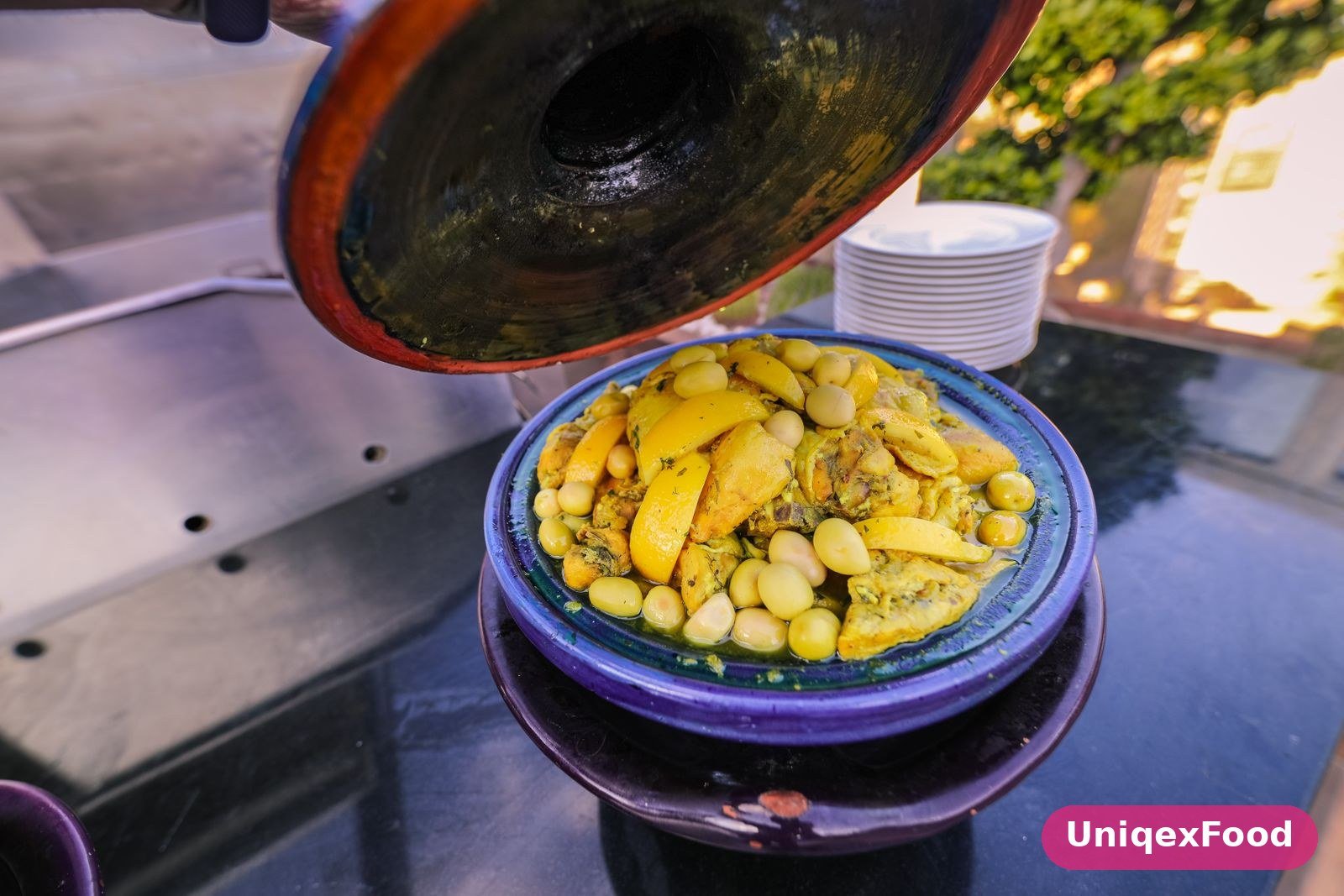
Warm flatbread or crusty bread is just as good, and honestly, I usually put both couscous and bread on the table and let people choose. The bread is for mopping up the sauce at the end, which is the best part of the meal as far as I am concerned. A simple side salad of sliced cucumber, tomato, and red onion with lemon juice and olive oil adds freshness and crunch, and a bowl of harissa on the side lets anyone who likes heat add as much as they want.
In the summer, this tagine is lovely eaten outside with a big salad and cold drinks, and in the winter it is the kind of meal that warms the whole house. However you serve it, put the pot in the middle of the table and let people help themselves — a tagine is a sharing dish, and it tastes better that way. And if you are grilling rather than braising this week, this grilled chicken with chimichurri sauce is a wonderful warm-weather alternative with a completely different flavour profile.
Storage and Reheating
Leftover chicken tagine keeps beautifully in the fridge for up to four days in an airtight container, and honestly, it tastes even better the next day. The spices have more time to settle into the sauce, the preserved lemon mellows a little, and the whole dish becomes rounder and deeper. Store the chicken in the sauce so it stays moist, and keep any leftover couscous separately so it does not go soggy.
To reheat, the hob is best. Place the tagine in a pot over low heat, add a splash of water or chicken stock to loosen the sauce, cover, and warm gently for about ten minutes until heated through. Stir occasionally so nothing catches on the bottom. The microwave works too — about two to three minutes on medium power, covered, stirring halfway — but the hob gives you more control and the sauce stays glossier.
This dish also freezes well. Let it cool completely, then pack the chicken and sauce into freezer containers and freeze for up to three months. Thaw overnight in the fridge and reheat gently on the hob. The olives will be a little softer after freezing, but the flavour is still wonderful. A batch of this tagine in the freezer is one of the best ready-made dinners you can have — it feels like a feast, even on a night when you have no energy to cook at all.
Frequently Asked Questions
What is a preserved lemon, and where do I find one?
A preserved lemon is a whole lemon that has been packed in salt and lemon juice for several weeks until the rind turns soft and intensely fragrant. You use the rind, finely chopped, and it adds a salty, floral brightness that fresh lemon cannot match. You can find jars of preserved lemons in the international aisle of most large supermarkets, in Middle Eastern or North African grocers, or online. Once opened, a jar keeps for months in the fridge, so it is worth having on hand.
Can I make this without a tagine pot?
Yes, absolutely. A tagine pot is traditional, and its cone-shaped lid does a clever job of returning condensation to the dish, but a heavy lidded pot such as a Dutch oven works just as well. The important thing is a heavy base, a tight-fitting lid, and low, gentle heat. Keep the lid on for most of the cooking so the steam stays in, and only open it slightly at the end when you want the sauce to reduce.
Can I use chicken breasts instead of thighs?
You can, but thighs are the better choice here because they stay juicy through a long, slow braise and the skin adds flavour to the sauce. If you do use breasts, choose bone-in, skin-on pieces, brown them well, and reduce the covered cooking time to about thirty minutes, checking that they reach 74°C (165°F) in the thickest part. Boneless breasts will cook faster still — about twenty minutes — so watch them closely to avoid drying them out.
Is this dish spicy?
Not in the hot sense. The spices in a tagine — cumin, cinnamon, ginger, turmeric — are warm and aromatic rather than fiery, so the dish is fragrant and deeply flavoured without any real heat. If you like a little kick, a pinch of chilli flakes or a chopped fresh chilli stirred in with the onions will add warmth without changing the character of the dish.
What should I serve with chicken tagine?
Couscous is the classic choice, and it takes only five minutes to make. Warm flatbread or crusty bread is wonderful too, especially for mopping up the sauce. A simple cucumber, tomato, and red onion salad adds freshness and crunch, and a spoonful of harissa on the side lets everyone add heat to taste. Rice works as well if that is what you have — the sauce is the star, and any of these will show it off.
Can I make this ahead of time?
Yes, and it is actually better made ahead. The flavours deepen overnight as the spices settle into the sauce, so this is a brilliant dish to cook the day before a dinner party. Let it cool, refrigerate it in the pot or an airtight container, and reheat it gently on the hob with a splash of stock. Make the couscous fresh on the day, and scatter the herbs over the top just before serving.