
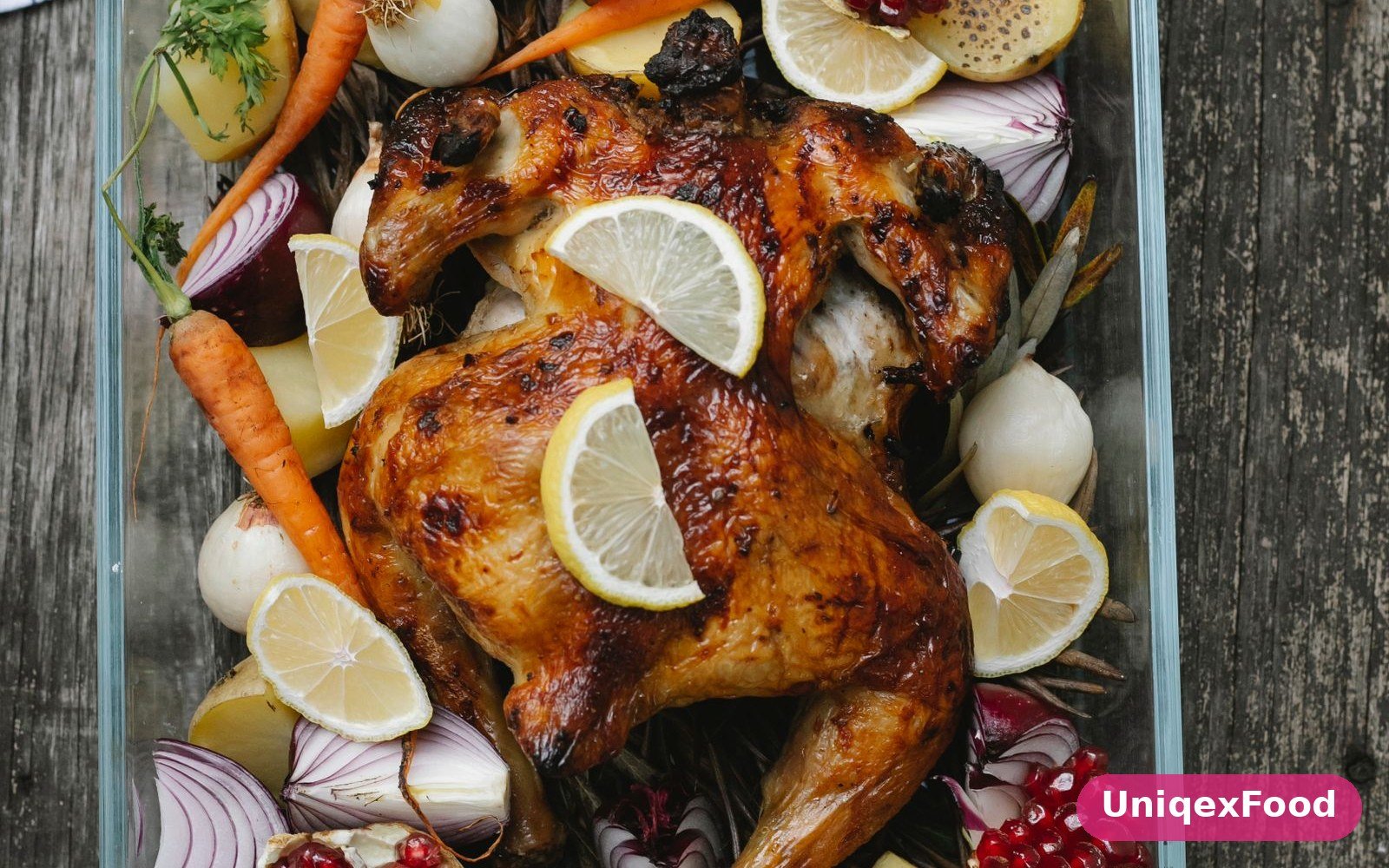
Greek Lemon Chicken with Oregano and Potatoes
There is a particular kind of meal that tastes like sunshine, and for me, this Greek lemon chicken with oregano and potatoes is exactly that. It is bright and herby, with juicy chicken, golden potatoes that have soaked up lemon and olive oil, and a pan full of juices that you will want to spoon over everything. I first had something like this at a small family-run taverna on holiday, where the chicken came to the table in a well-worn roasting pan, the potatoes were crisp at the edges and soft in the middle, and the whole thing smelled of lemon and wild oregano. I came home determined to make it myself, and after a few tries, this version is the one that stuck.
What I love about this dish is how honest it is. There is nothing complicated here — no long list of ingredients, no fussy technique, no sauce to babysit. Just good chicken, plenty of lemon, dried oregano, garlic, and olive oil, all roasted together in one pan with potatoes until everything is golden and fragrant. The lemon does most of the work, cutting through the richness of the chicken and keeping the whole dish bright and fresh, while the oregano gives it that unmistakable Greek character. It is the kind of cooking that feels effortless but tastes like you really know what you are doing.
The potatoes deserve a special mention, because they are not just a side dish here — they are half the point. As the chicken roasts, its juices drip down into the pan and mingle with the lemon, oil, and garlic, and the potatoes cook in all of that flavour. The ones underneath go soft and almost creamy, while the ones at the edges get wonderfully crisp. By the time everything comes out of the oven, the potatoes taste so good that people fight over the last few. I have lost count of the times someone has asked for the potato recipe specifically, as if it were a separate dish.
This is a dinner that works for almost any occasion. It is easy enough for a Tuesday night, when you want something proper but do not want to think too hard, and it is generous enough for a Sunday family meal or a table full of friends. Everything cooks in one pan, the washing up is minimal, and the house smells incredible for hours afterwards. If you have never cooked Greek-style chicken before, this is the perfect place to start — and if you already love it, this version might just become your new favourite.
Why You’ll Love This Recipe
The first thing you will notice is how little effort it takes. Everything goes into one pan, the oven does the work, and there is no juggling of pots and pans or timing of side dishes. You mix a quick marinade, toss the chicken and potatoes in it, slide the pan into the oven, and then you are free for the best part of an hour. I love recipes like this on busy days, because the cooking happens in the background while I get on with everything else, and dinner still tastes like I spent the whole afternoon on it.
The flavour is the real reason this recipe keeps coming back, though. Lemon and oregano are one of those classic pairings that never gets old — bright, herby, and deeply satisfying. The garlic softens as it roasts and turns sweet, the olive oil carries all the flavours together, and the chicken skin goes golden and crisp while the meat underneath stays juicy. There is a freshness to this dish that a lot of roast chicken recipes do not have, and it is what makes people go back for seconds. If you enjoy one-pan chicken dinners, this easy chicken dinner without oven is another simple option worth trying on a night when you want the hob to do the work instead.
It is also a complete meal in a single pan. The potatoes cook right alongside the chicken, soaking up all those wonderful juices, so you do not need to plan a separate side dish. Add a simple salad or some crusty bread and you are done. That makes it brilliant for weeknights, but also for feeding a crowd — just use a bigger pan or two pans and scale everything up. I have doubled this recipe for family gatherings and it has always worked beautifully, which is not something I can say for every dish I have tried to scale.
Finally, this is a recipe that is easy to make your own. You can use whatever chicken pieces you have, swap the potatoes for sweet potatoes, add peppers or red onion to the pan, or throw in a handful of olives and some crumbled feta at the end. The basic method stays the same, and the dish is forgiving enough to handle whatever changes you throw at it. It is the kind of recipe that grows with you — the more you make it, the more you find your own favourite version.
Ingredients You’ll Need
- 8 bone-in, skin-on chicken thighs (about 1.4 kg / 3 lbs), or a mix of thighs and drumsticks
- 800 g (about 1 3/4 lbs) waxy potatoes, such as Yukon Gold, cut into wedges
- 80 ml (1/3 cup) extra virgin olive oil
- 60 ml (1/4 cup) fresh lemon juice (about 2 lemons)
- 1 tablespoon lemon zest
- 6 cloves garlic, thinly sliced
- 2 tablespoons dried oregano (Greek oregano if you can find it)
- 1 teaspoon dried thyme
- 1 teaspoon sweet paprika
- 1 teaspoon fine sea salt
- 1/2 teaspoon black pepper, freshly ground
- 1/2 teaspoon chilli flakes (optional)
- 1 large lemon, cut into wedges
- 2 tablespoons fresh parsley, chopped, for serving
- Crumbled feta cheese, for serving (optional)
How to Make Greek Lemon Chicken with Oregano and Potatoes
Start by making the marinade, because it needs a few minutes to come together and it is the heart of the whole dish. In a large bowl, whisk together the olive oil, lemon juice, lemon zest, sliced garlic, dried oregano, thyme, paprika, salt, black pepper, and chilli flakes if you are using them. Give it a good stir and let it sit for a minute — the dried oregano will start to soften and release its fragrance, and the garlic will mellow into the oil. This is the moment when the kitchen starts to smell like a Greek taverna, and it only gets better from here. While the marinade rests, cut the potatoes into wedges, keeping them roughly the same size so they cook evenly. If the wedges are too thick, they will still be hard in the middle when the chicken is done; if they are too thin, they will fall apart. Aim for wedges about the width of two fingers.
Pat the chicken pieces dry with paper towels, then add them to the bowl with the marinade, along with the potato wedges. Use your hands to toss everything together properly, making sure every piece of chicken and every potato wedge is coated. This is a hands-on job and it is worth doing well — the marinade needs to get into every corner, including under the chicken skin where you can manage it. If you have time, cover the bowl and let it sit in the fridge for thirty minutes, or even overnight. It is not essential, but the flavour does deepen nicely. If you are in a rush, you can go straight to the oven and it will still be delicious. For a different take on oven-roasted chicken, these crispy chicken thighs without breading use a similar hands-off roasting method.
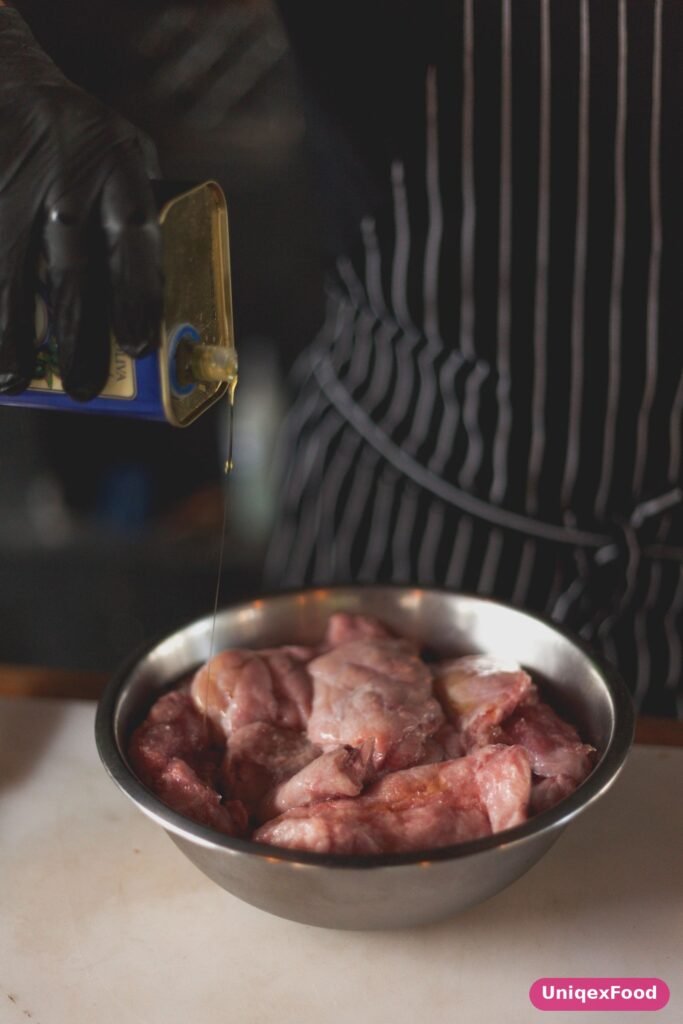
Heat the oven to 200°C (400°F) and let it come fully up to temperature. Tip the chicken and potatoes into a large roasting pan or a rimmed baking sheet, spreading everything out in a single layer. This matters more than it might seem — if the pan is crowded, the chicken and potatoes will steam instead of roast, and you will lose all that lovely crispness. Use two pans if you need to. Pour any marinade left in the bowl over the top, and tuck the lemon wedges in among the chicken. Slide the pan into the middle of the oven and roast for about forty-five to fifty minutes, turning the potatoes once halfway through so they brown evenly on both sides.
You will know it is done when the chicken skin is deep golden brown and crisp, the potatoes are tender inside and golden at the edges, and the pan juices are bubbling. The safest way to check the chicken is with a meat thermometer in the thickest part of a thigh, away from the bone — you want 74°C (165°F). If you do not have a thermometer, cut into the thickest piece and check that the juices run clear and there is no pink near the bone. If the potatoes need a little more time, you can take the chicken out, cover it loosely with foil to keep it warm, and give the potatoes another ten minutes in the hot oven on their own.
When everything is done, let the pan rest for five to ten minutes before serving. Spoon the pan juices over the chicken and potatoes, scatter the fresh parsley over the top, and crumble over the feta if you are using it. Serve it straight from the pan at the table if you can — there is something wonderfully generous about a big pan of lemon chicken in the middle of the table, with everyone helping themselves. It is a dish that tastes even better shared, and the pan juices are so good that you will want bread on the table to mop them up.
Tips for Greek Lemon Chicken with Oregano and Potatoes
Use proper Greek oregano if you can find it, because it makes a real difference. Greek oregano is stronger, more pungent, and more aromatic than the standard dried oregano in most supermarket jars, and it is the flavour that makes this dish taste authentically Greek. If you can only find regular dried oregano, it will still be delicious — just use a generous amount and rub it between your palms before adding it to the marinade, which wakes up the oils and releases more flavour. Fresh oregano works too, but you will need about three times as much, and dried is actually more traditional for this dish.
Do not be shy with the lemon, but do be careful about when you add it. The lemon juice in the marinade is essential — it tenderises the chicken slightly and gives the dish its signature brightness. But if you add too much lemon and leave the chicken marinating for many hours, the acid can start to change the texture of the meat and make the surface a little chalky. Thirty minutes to two hours of marinating is the sweet spot. For longer marinating, leave half the lemon juice out of the marinade and add it when the chicken goes into the pan instead.
Choose the right potatoes. Waxy potatoes like Yukon Gold hold their shape beautifully during a long roast, going soft and creamy inside while the edges crisp up. Floury potatoes tend to fall apart and go mushy, which is fine for mash but not what you want here. Cut the wedges evenly, and do not crowd the pan — that is the single most common reason roast potatoes come out soft instead of crisp. And if your chicken is done but the potatoes need longer, remember you can always take the chicken out and give the potatoes extra time on their own. For safe cooking temperatures and food handling, the USDA food safety pages are always worth a quick check.
Finally, let the dish rest before serving. Five to ten minutes in the pan lets the juices settle back into the chicken and gives the potatoes time to absorb a little more of that lemony, garlicky liquid. It also means the dish is at the perfect temperature for eating — hot, but not so hot that you cannot taste anything. And if you love this style of one-pan cooking, this chicken skillet with frozen vegetables is another easy one-pan dinner that comes together with almost no effort.
Variations to Try
The simplest variation is to add more vegetables to the pan. Red onion wedges, bell pepper strips, and cherry tomatoes all roast beautifully alongside the chicken and potatoes, and they soak up the same lemon and oregano flavours. Add the peppers and tomatoes for the last twenty minutes of cooking so they soften without falling apart, and add the onions right at the start so they go sweet and caramelised. A handful of Kalamata olives tossed in for the last ten minutes adds a lovely salty, briny note that is very Greek.
For a richer version, crumble feta over the top during the last ten minutes of cooking so it softens and goes slightly golden, or serve the chicken with a big spoonful of tzatziki on the side. The cool, creamy yoghurt against the hot, lemony chicken is a wonderful combination, and it turns the dish into something that feels a bit more like a feast. You can also add a pinch of cinnamon to the marinade — it sounds unusual, but a tiny amount is a traditional Greek touch that adds warmth and depth without tasting like a spice you can actually identify.
If you want to make this with boneless chicken, it works well but cooks faster. Boneless thighs will need about thirty to thirty-five minutes, and boneless breasts about twenty-five, so check them earlier and pull them out as soon as they reach temperature. You can also make this dish on the barbecue in summer — grill the marinated chicken over medium heat and roast the potatoes in a foil parcel alongside. And for a classic roast chicken reference, the BBC Good Food roast chicken guide is a lovely starting point for anyone new to roasting a whole bird.
Serving Ideas
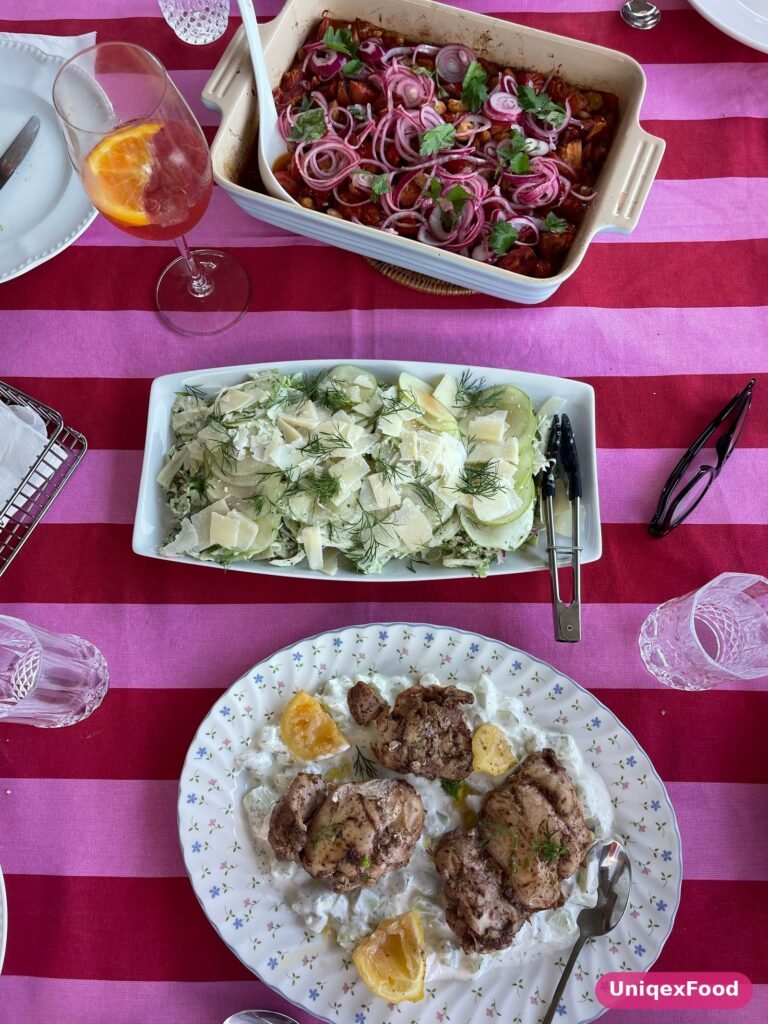
The traditional way to serve this dish is straight from the pan, with a big Greek salad on the side — tomatoes, cucumber, red onion, olives, and feta with a simple olive oil and lemon dressing. The fresh, crunchy salad is the perfect contrast to the rich, roasted chicken and potatoes, and it keeps the meal feeling light even though it is deeply satisfying. Add some warm pita bread or crusty bread for mopping up the pan juices, and you have a meal that could have come straight out of a taverna.
For a lighter option, serve the chicken and potatoes with a simple green salad and a bowl of tzatziki. The cool yoghurt sauce is wonderful spooned over the hot chicken, and it adds a creamy element that balances the lemon beautifully. If you are feeding a crowd, add a big bowl of rice or some roasted vegetables — these garlic butter roasted carrots are a lovely side that pairs well with the lemon and oregano flavours.
In the summer, this dish is wonderful eaten outside with a glass of something cold, a tomato salad, and some grilled bread. In the winter, it is just as good served indoors with extra potatoes and a warm, hearty side like buttered green beans. However you serve it, put the pan in the middle of the table and let people help themselves — it is a dish that tastes better shared, and the second helpings always disappear fast.
Storage and Reheating
Leftover Greek lemon chicken keeps well in the fridge for up to four days in an airtight container. Store the chicken and potatoes together, along with any pan juices, because those juices keep everything moist and flavourful when you reheat it. The chicken is also lovely cold, sliced into a salad or a wrap, and the potatoes are surprisingly good eaten cold the next day too — almost like a lemony potato salad.
To reheat, the oven is best. Place the chicken and potatoes in a baking dish, add a splash of water or chicken stock and a spoonful of the saved pan juices, cover loosely with foil, and warm in a 180°C (350°F) oven for fifteen to twenty minutes until heated through. Remove the foil for the last five minutes if you want the skin to crisp up again. The microwave works in a pinch — about two minutes on medium power, covered — but the potatoes will soften and the skin will lose its crispness, so the oven is worth it when you have the time.
This dish also freezes well. Let the chicken and potatoes cool completely, then pack them into freezer containers with the pan juices and freeze for up to three months. Thaw overnight in the fridge before reheating. The potatoes will be a little softer after freezing, but the flavour is still wonderful, and it makes a brilliant ready-made dinner for a night when you do not feel like cooking at all.
Frequently Asked Questions
Can I use chicken breasts instead of thighs?
Yes, you can, but thighs are the better choice for this recipe because they stay juicy during the long roast and the skin crisps up beautifully. If you do use breasts, choose bone-in, skin-on breasts if you can, and start checking for doneness after about thirty minutes, because they dry out more easily than thighs. Boneless, skinless breasts will cook in about twenty-five minutes, so keep a close eye on them and pull them out as soon as they reach 74°C (165°F) in the thickest part.
What kind of potatoes work best?
Waxy potatoes like Yukon Gold, Charlotte, or red potatoes are ideal, because they hold their shape during roasting and go creamy inside while the edges crisp up. Floury potatoes like Russets tend to break apart and go mushy, which is not what you want here. Whatever variety you choose, cut the wedges evenly so they cook at the same rate, and do not crowd the pan — space is what lets them crisp up instead of steaming.
Can I marinate the chicken overnight?
Yes, and it is a great way to get ahead. Mix the marinade and coat the chicken and potatoes, then cover and refrigerate for up to twenty-four hours. Just one thing to watch: if you are marinating for more than a few hours, hold back half the lemon juice and add it when the chicken goes into the pan, because a long soak in acid can make the surface of the meat a little chalky. Bring the pan back to room temperature for about twenty minutes before it goes in the oven so everything cooks evenly.
How do I get the potatoes really crispy?
Three things matter: space, heat, and the right potato. Use waxy potatoes, cut them into even wedges, and spread them out in a single layer with room between them. A hot oven — 200°C (400°F) — is essential, and turning the wedges once halfway through helps them brown on both sides. If the chicken is done before the potatoes are crisp, take the chicken out, cover it with foil, and give the potatoes another ten minutes in the hot oven on their own. They will crisp up beautifully.
Can I add other vegetables to the pan?
Absolutely, and it is a lovely way to make the dish go further. Red onion wedges and bell pepper strips can go in from the start, while cherry tomatoes and green beans are better added for the last twenty minutes so they do not overcook. Kalamata olives tossed in for the final ten minutes add a wonderful salty note. Just be careful not to overload the pan — if it gets too crowded, everything steams instead of roasting, and you lose the crisp edges that make this dish so good.
What should I serve with Greek lemon chicken?
A big Greek salad is the classic partner, along with warm pita or crusty bread for the pan juices. Tzatziki is wonderful spooned over the hot chicken, and a simple green salad works well too if you want to keep things light. For a heartier meal, add rice or extra roasted vegetables. The dish is generous enough that you do not need much alongside it — the chicken and potatoes are the meal, and a fresh salad and good bread are all it really needs.



2 Comments