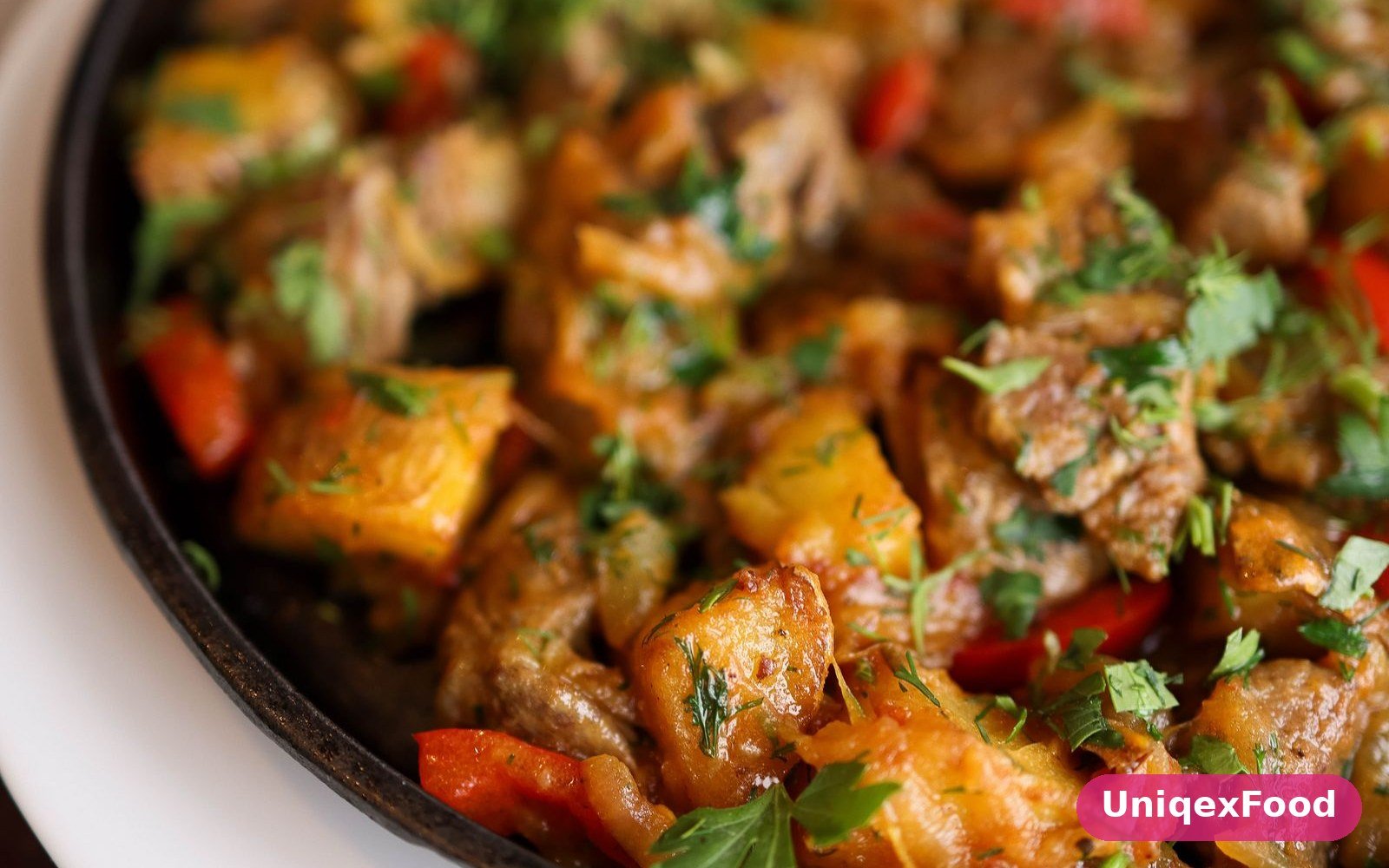
One-Pan Chicken and Sausage Skillet
There is a special kind of relief that comes with a one-pan dinner. It is six o’clock, everyone is hungry, the day has been long, and the last thing you want is a sink full of pots and a recipe with fifteen steps. That is when I reach for this chicken and sausage skillet. It is the kind of meal that feels like it took far more effort than it did — smoky sausage, golden chicken, sweet peppers, and onions all cooked together in one pan, with the juices mingling into a sauce that begs to be mopped up with bread.
I first made a version of this on a camping trip, when we had one skillet, a small cooler, and a group of hungry friends. Everything went into the pan in stages, and the result was so good that people asked for the recipe before they had even finished eating. Back home, it became a regular in our weeknight rotation, and I have refined it over the years into the version I am sharing today. The method is simple, but the layering of flavors — the sausage rendering its fat, the chicken browning in it, the peppers softening in the juices — is what makes it taste like so much more than the sum of its parts.
What makes this skillet work is the sausage. A good smoked sausage, whether it is kielbasa, andouille, or a spicy Italian sausage, brings so much flavor to the pan that you barely need to season anything else. As it cooks, it releases its fat and its smokiness into the pan, and the chicken and vegetables cook in that flavorful base. It is a beautiful example of how one well-chosen ingredient can carry a whole dish.
This is also a wonderfully forgiving recipe. You can swap the vegetables based on what is in the fridge, use whatever sausage you have, and adjust the spice level to suit your table. It feeds four generously, doubles easily for a crowd, and the leftovers are arguably even better the next day. If you are looking for a dinner that is fast, filling, and genuinely delicious, this is the one.
Why You’ll Love This Recipe
The first reason is that it is a true one-pan meal. Everything cooks in a single skillet, which means dinner is on the table in about thirty-five minutes and the cleanup is one pan and a cutting board. On busy weeknights, that matters more than almost anything else. There is no juggling multiple pots, no timing three different dishes, and no pile of washing up afterwards.
The second reason is the flavor. The combination of smoky sausage and golden chicken, sweet peppers and onions, garlic and paprika, is deeply satisfying in a way that is hard to describe and easy to taste. The sausage seasons the whole pan as it cooks, the chicken stays juicy, and the vegetables soften just enough while keeping a little bite. It is the kind of hearty, comforting food that makes everyone at the table happy.
The third reason is how flexible it is. You can use any sausage you like, swap the peppers for whatever vegetables you have, add potatoes to make it heartier, or throw in some beans to stretch it further. It works for a quick family dinner, a casual meal with friends, or a make-ahead lunch for the week. Once you know the method, you can adapt it endlessly.
Finally, this skillet is a crowd-pleaser in the truest sense. It is the kind of dish that appeals to picky eaters and adventurous eaters alike, because there is nothing strange or challenging in it — just good, honest ingredients cooked well. Serve it with crusty bread and a simple salad, and you have a meal that feels like a proper dinner without any fuss.
Ingredients You’ll Need
- 1 1/2 pounds boneless, skinless chicken thighs, cut into bite-sized pieces
- 12 ounces smoked sausage (kielbasa, andouille, or Italian sausage), sliced into half-inch rounds
- 1 teaspoon kosher salt
- 1/2 teaspoon black pepper
- 1 teaspoon smoked paprika
- 1/2 teaspoon garlic powder
- 2 tablespoons olive oil
- 1 large yellow onion, sliced
- 1 red bell pepper, sliced
- 1 green bell pepper, sliced
- 4 garlic cloves, minced
- 1 can (14.5 ounces) diced tomatoes, undrained
- 1/2 cup chicken broth
- 1 teaspoon dried oregano
- 1/2 teaspoon red pepper flakes (optional)
- 2 tablespoons chopped fresh parsley, for garnish
- Crusty bread or cooked rice, for serving
How to Make One-Pan Chicken and Sausage Skillet
Start by seasoning the chicken. Toss the chicken pieces with the salt, black pepper, smoked paprika, and garlic powder in a bowl, making sure every piece is evenly coated. The paprika is doing a lot of work here — it adds color, warmth, and a smoky note that ties the whole dish together. Let the seasoned chicken sit for a few minutes while you slice the sausage and vegetables. This short rest lets the seasoning start to work its way into the meat.
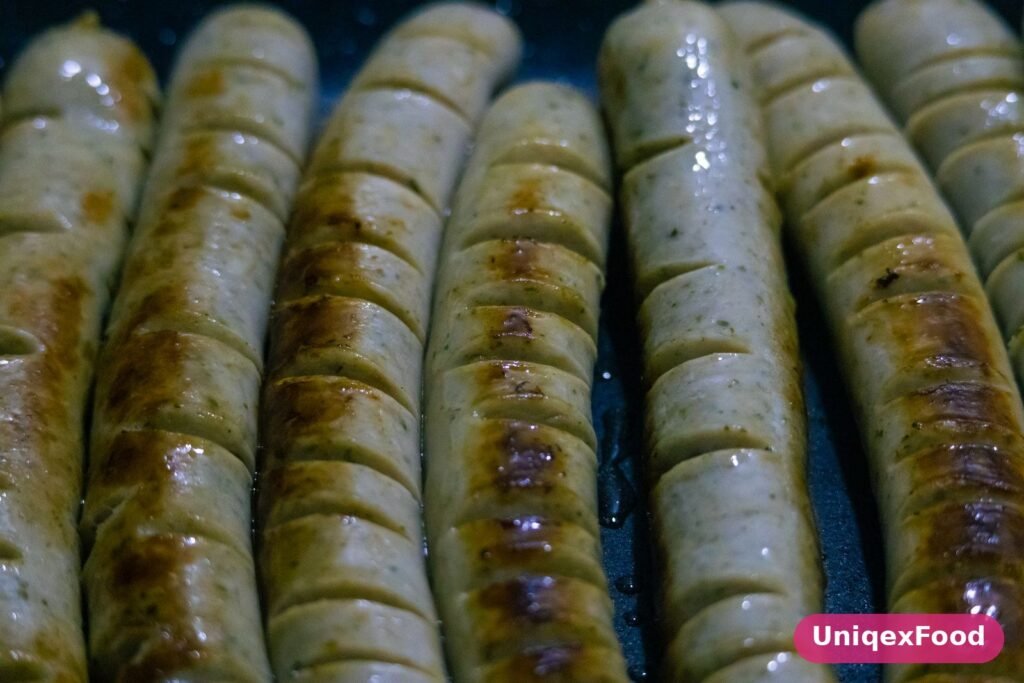
Heat the olive oil in a large skillet over medium-high heat. A cast iron skillet is ideal here, because it holds heat well and gives you a beautiful sear, but any large, heavy skillet will work. Add the sausage slices in a single layer and cook them for three to four minutes, turning once, until they are browned on both sides and have released some of their fat into the pan. The browning is important — those caramelized edges are where much of the flavor comes from. Remove the sausage to a plate and set it aside, leaving the flavorful fat in the pan.
Now brown the chicken in the same pan. Add the seasoned chicken pieces in a single layer, and do not move them for three to four minutes. Let them develop a deep golden crust before you turn them. This is the hardest part of the recipe, because it is tempting to stir, but patience pays off — a good sear means more flavor in the finished dish. Turn the pieces and cook for another three minutes until they are golden on the other side. The chicken does not need to be cooked through yet; it will finish cooking later in the sauce. Remove the chicken to the plate with the sausage.
Lower the heat to medium and add the onion and bell peppers to the pan. Cook them for four to five minutes, stirring occasionally, until they have softened and started to pick up some color from the pan. The vegetables will release a little moisture as they cook, which helps lift up the browned bits stuck to the bottom of the pan — those bits are pure flavor, so scrape them up with your spoon as you stir. Add the garlic and cook for just thirty seconds more, until fragrant. Garlic burns quickly, so do not let it go longer than that.
Pour in the diced tomatoes and chicken broth, and add the oregano and red pepper flakes if you are using them. Stir everything together, scraping the bottom of the pan to release any remaining browned bits. Return the chicken and sausage to the pan, nestling them into the sauce. Bring the mixture to a gentle simmer, then reduce the heat to medium-low, cover, and cook for twelve to fifteen minutes, until the chicken is cooked through and the sauce has thickened slightly. Taste and adjust the seasoning — you may want a little more salt, or a pinch more paprika. Scatter the parsley over the top and serve straight from the pan, with crusty bread or rice alongside.
Tips for the Best Chicken and Sausage Skillet
Use chicken thighs, not breasts. Thighs stay juicy and tender through the simmering stage, while breasts can dry out and turn stringy. If you only have breasts, cut them into larger pieces and reduce the simmering time by a few minutes, checking the temperature early. But if you have the choice, thighs are the better option for this dish, and they are usually cheaper too.
Do not crowd the pan. When you brown the sausage and the chicken, work in a single layer with a little space between the pieces. If you pile everything in at once, the meat will steam instead of sear, and you will lose that beautiful golden crust. If your skillet is small, brown the meat in two batches — it takes a few extra minutes, but the flavor payoff is worth it.
Choose a sausage you love. The sausage is the flavor backbone of this dish, so pick one with a good smoky or spicy character. Kielbasa is mild and smoky, andouille is spicy and bold, and Italian sausage is fennel-scented and rich. Any of them will work beautifully, but they will give the dish a different personality, so choose the one your family likes best.
Let the sauce simmer properly. The twelve to fifteen minutes of covered simmering is when everything comes together — the chicken finishes cooking, the vegetables soften, and the flavors meld into a cohesive sauce. Do not rush it. If the sauce seems too thin at the end, take the lid off and simmer for another three to five minutes until it thickens to your liking.
Taste before you serve. Sausages vary a lot in saltiness, so the amount of salt you need will depend on the sausage you chose. Taste the sauce at the end and adjust the salt, pepper, and paprika as needed. A squeeze of lemon juice at the end can also brighten the whole dish, especially if the tomatoes are on the sweet side.
Variations to Try
For a heartier version, add potatoes. Cut a pound of baby potatoes into quarters and add them to the pan with the peppers, giving them a few extra minutes to cook. They will soak up the sauce and become tender and flavorful, turning the skillet into a complete one-pan meal that needs nothing on the side. You may need to add a splash more broth to keep everything moist.
A Cajun-inspired version uses andouille sausage, adds a teaspoon of Cajun seasoning to the chicken, and stirs in a can of red beans at the end. Serve it over rice with hot sauce on the table, and it tastes like something from a Louisiana kitchen. The beans make it stretch further, which is useful when you are feeding a crowd.
For a lighter version, use chicken sausage instead of pork sausage, and load up the vegetables — add zucchini, mushrooms, and cherry tomatoes alongside the peppers. The cooking method is the same, and the dish is just as satisfying but a little less rich. A squeeze of lemon and a handful of fresh basil at the end keep it bright.
Try a Mediterranean twist by using Italian sausage, adding a can of chickpeas, a handful of olives, and a teaspoon of dried oregano and basil. Serve it with a crumble of feta cheese on top and some warm flatbread. The flavors are completely different, but the method is identical, which shows how versatile this skillet really is.
You can also turn this into a pasta dish. Cook a pound of penne or rigatoni separately, then toss it into the skillet with the chicken and sausage at the end, adding a splash of pasta water to help the sauce coat the noodles. Top with grated Parmesan and parsley, and you have a hearty pasta dinner that came together in one pan.
Serving Ideas
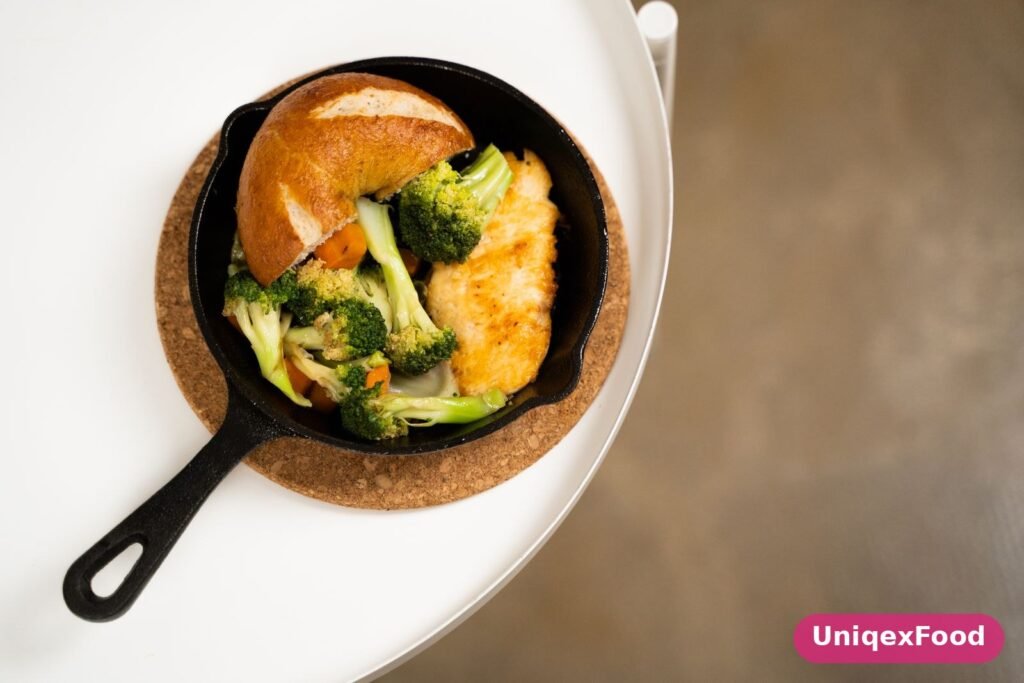
The simplest way to serve this skillet is straight from the pan, family style, with a loaf of crusty bread on the table for mopping up the sauce. There is something wonderfully communal about a skillet in the middle of the table, and the bread is not optional — the sauce is too good to leave behind. A simple green salad with a light vinaigrette is all you need alongside.
For a more substantial meal, serve the skillet over cooked rice, mashed potatoes, or creamy polenta. The rice soaks up the sauce beautifully, the mashed potatoes turn it into proper comfort food, and the polenta gives it an Italian feel. Any of these options turns a good dinner into a great one, and they are all easy to make while the skillet simmers.
This skillet also works beautifully as a meal prep dish. Divide it into containers with rice or roasted potatoes, and you have lunches for the week that actually taste good reheated. The flavors improve after a day in the fridge, as the sauce has time to soak into the chicken and sausage. It is one of the few dishes I genuinely look forward to eating as leftovers.
For a casual gathering, set the skillet on the table with a few sides — a big salad, some roasted vegetables, a bowl of rice — and let everyone help themselves. It is the kind of food that makes a dinner feel relaxed and generous, and it scales up easily if you have a large enough pan. A pitcher of iced tea or a bottle of red wine rounds out the meal nicely.
Storage and Reheating
Store leftover chicken and sausage skillet in an airtight container in the refrigerator for up to four days. The flavors actually improve after a day, as the sauce has time to meld with the chicken and sausage. Let it cool to room temperature before refrigerating, and store the bread or rice separately so they do not go soggy.
To reheat, warm it gently in a skillet over medium-low heat, adding a splash of chicken broth or water if the sauce has thickened too much. Stir occasionally and heat until it is steaming all the way through, about five to seven minutes. The microwave works too — heat in short bursts, stirring between each one, until hot. The stovetop method gives a better result, but the microwave is fine when you are in a hurry.
This skillet freezes well. Let it cool completely, then transfer it to freezer-safe containers or bags and freeze for up to three months. Thaw overnight in the refrigerator, then reheat gently on the stove with a splash of broth. The peppers will be a little softer after freezing, but the flavor will still be wonderful. It is a great dish to make in a double batch and freeze half for a busy night.
If you have a lot of leftovers, try turning them into something new. Chop the chicken and sausage, warm them with the sauce, and spoon the mixture into tortillas with cheese for a quick quesadilla, or pile it onto toasted rolls for a hearty sandwich. Leftovers that become a second meal are the best kind of leftovers.
Frequently Asked Questions
Can I use chicken breasts instead of thighs?
Yes, but thighs work better for this dish because they stay juicy through the simmering stage. If you use breasts, cut them into larger pieces and reduce the simmering time to about ten minutes, checking the temperature early. Pull the chicken as soon as it reaches 165°F, and let it rest in the sauce for a few minutes before serving. Overcooked breast meat can turn dry and stringy, so watch it closely.
What kind of sausage is best?
Any smoked sausage works well. Kielbasa is mild and smoky, andouille is spicy and bold, and Italian sausage is rich and fennel-scented. Choose the one your family likes best, or try a different one each time you make it — the dish will have a different personality each time. Just make sure the sausage is fully cooked or smoked, not raw, so it only needs browning in the pan.
Can I add potatoes to this skillet?
Absolutely. Cut a pound of baby potatoes into quarters and add them to the pan with the peppers, giving them a few extra minutes to cook before you add the tomatoes and broth. They will soak up the sauce and become tender and flavorful. You may need to add an extra quarter cup of broth to keep everything moist. It turns the skillet into a complete one-pan meal.
How do I keep the chicken from drying out?
Use thighs, do not overcook them, and let them finish cooking gently in the sauce rather than searing them all the way through at the start. The covered simmering stage is gentle, and the sauce keeps the chicken moist. Pull the chicken as soon as it reaches 165°F, and let it rest in the sauce for a few minutes before serving — the resting time lets the juices settle back into the meat.
Can I make this ahead of time?
Yes, and it is one of those dishes that actually tastes better the next day. Make it fully, let it cool, and refrigerate it for up to four days. Reheat gently on the stove with a splash of broth. You can also freeze it for up to three months. It is a wonderful make-ahead meal for busy weeks, and it reheats beautifully.
What should I serve with this skillet?
Crusty bread is the classic partner, because the sauce is too good to waste. Rice, mashed potatoes, or creamy polenta are all wonderful too, and a simple green salad adds freshness. For a lighter meal, serve it with roasted vegetables or a big salad. The skillet is the star, so almost any simple side will work — just make sure there is something to catch the sauce.
If you like easy one-pan chicken dinners, try this chicken skillet with frozen vegetables, and for a cozy meal for two, this one-pan chicken and rice for two is lovely. Another great weeknight option is this easy chicken dinner with frozen vegetables, and if you love sweet and savory flavors, this one-pan honey garlic chicken and vegetables is a must-try. For more one-pot inspiration, the BBC Good Food one-pot recipes collection is full of ideas, and the USDA food safety guidance is the reference I trust for safe cooking temperatures.