
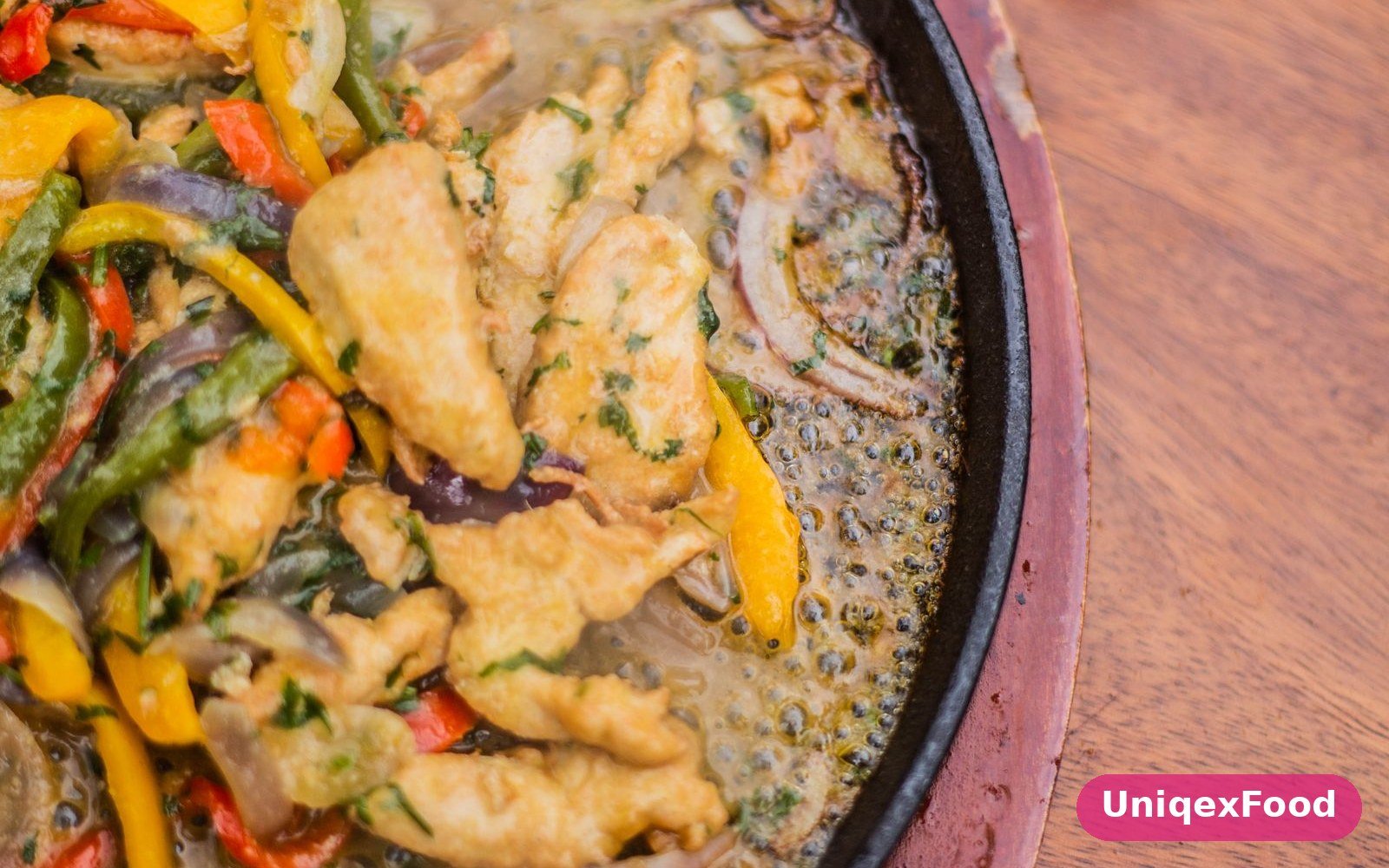
One-Pan Honey Garlic Chicken and Vegetables
There is a particular kind of weeknight dinner that I keep coming back to, and this is it: chicken and vegetables, cooked in one pan, coated in a sticky honey garlic sauce that makes the whole kitchen smell wonderful. I started making this when my kids were small and I needed something that would get vegetables onto their plates without a negotiation. The honey does the heavy lifting there. It sweetens the sauce just enough that the broccoli and carrots taste like they belong, and the garlic keeps it from tipping over into something that tastes like dessert. It worked then, and it still works now, years later, on evenings when I am tired and nobody wants to wait.
The sauce is the heart of the whole thing, and it is only four ingredients: honey, soy sauce, garlic, and a splash of vinegar or lemon juice to balance the sweetness. That balance matters more than any single ingredient. Too much honey and it is cloying; too little and you lose the sticky glaze that makes the chicken shine. I have adjusted the amounts over the years until they taste right to me — sweet at first, then savory, then a little tangy at the end — and I would encourage you to taste the sauce before it goes into the pan and nudge it toward your own preference. A little extra soy if you like it saltier, a little more vinegar if you like it brighter. Recipes are starting points, not laws, and this sauce is forgiving enough to take a nudge in either direction.
What makes this a one-pan dinner in the real sense is the order of operations. The chicken sears first and comes out. The vegetables go in next and cook in the same pan, picking up the browned bits and the chicken flavor left behind. Then the sauce goes in, the chicken goes back, and everything finishes together in a glaze that coats every piece. Nothing is boiled separately, nothing is transferred to a baking dish, and there is exactly one pan to wash at the end. On a night when the sink is already full of lunch dishes, that matters more than I would like to admit.
It is also the kind of dinner that stretches. Four chicken thighs and a pile of vegetables will feed a family of four generously, and if you add rice or noodles on the side, it will feed five or six without anyone noticing the difference. I have doubled it for guests by using my biggest skillet and adding a few extra minutes, and I have halved it for a quiet dinner for two. Either way, the method stays the same, and the result is the same sticky, savory, slightly sweet chicken that people ask for by name in my house. Let me show you how I make it.
Why You’ll Love This Recipe
The first reason is the obvious one: it is one pan, start to finish. The chicken, the vegetables, and the sauce all happen in the same skillet, which means dinner is on the table in about thirty-five minutes and the cleanup is a single pan and a cutting board. I cannot overstate how much that matters on a weeknight. There are plenty of recipes that claim to be one-pan and then quietly ask you to boil pasta in a second pot or roast vegetables on a separate tray. This one does not. Everything you need is in the skillet, and the only other thing you might cook is rice, which you can start before the chicken and forget about.
The second reason is the flavor. Honey garlic is one of those combinations that tastes like it took far more effort than it did. The honey caramelizes slightly as the sauce reduces, the garlic softens into it, and the soy sauce gives it a savory depth that keeps the sweetness in check. The chicken comes out glossy and sticky, the way good takeout chicken looks, except you made it yourself in half the time it would take for delivery to arrive. My kids call this “the sticky chicken,” and they ask for it by that name, which tells you everything you need to know about how it goes down.
The third reason is that it is genuinely flexible. You can use chicken thighs or breasts, whatever vegetables are in the fridge, and whatever you have on hand for the sauce. Broccoli, carrots, green beans, bell peppers, snap peas, zucchini — they all work, and they all cook in the same pan. That makes this a wonderful fridge-clearing dinner for the end of the week, when the vegetable drawer is full of odds and ends. If you like this style of cooking, my easy chicken dinner without an oven is another one-pan meal in the same spirit, and it is just as forgiving when you need to swap things around.
And finally, it is a dinner that actually fills people up without feeling heavy. The vegetables are a real part of the meal, not a sad side, and the sauce makes them taste like something worth eating rather than something you have to eat. I have served this to guests who claim not to like broccoli, and watched them go back for seconds. That is the highest praise a weeknight recipe can get in my house, and it is the reason this one has stayed in the rotation for years while other recipes have come and gone.
Ingredients You’ll Need
- 1 1/2 pounds (680g) boneless, skinless chicken thighs, cut into large chunks
- 1/2 teaspoon kosher salt
- 1/2 teaspoon black pepper
- 1/2 teaspoon garlic powder
- 1 tablespoon olive oil
- 2 cups broccoli florets
- 2 medium carrots, peeled and sliced into thin coins
- 1 red bell pepper, sliced
- 1 cup green beans, trimmed and halved
- 1/3 cup honey
- 1/4 cup low-sodium soy sauce
- 4 cloves garlic, minced
- 1 tablespoon rice vinegar or apple cider vinegar
- 1 teaspoon fresh ginger, grated (optional)
- 1/2 teaspoon red pepper flakes (optional)
- 1 tablespoon cornstarch mixed with 2 tablespoons cold water
- 1 tablespoon sesame seeds, for serving
- 2 green onions, sliced, for serving
How to Make One-Pan Honey Garlic Chicken and Vegetables
Start by cutting the chicken into large, even chunks — roughly two inches across — and seasoning them all over with the salt, pepper, and garlic powder. Even pieces matter here, because they cook at the same rate, and nothing is worse than a pan where half the chicken is dry and the other half is still pink in the middle. While you are at it, mix the sauce in a small bowl: the honey, soy sauce, minced garlic, vinegar, and ginger if you are using it. Stir it until the honey loosens into the soy sauce, and set it near the stove. Also mix the cornstarch with the cold water in a separate little bowl and keep it handy — you will want it within reach when the sauce needs thickening, and you will not want to be measuring cornstarch with one hand while the pan is bubbling.
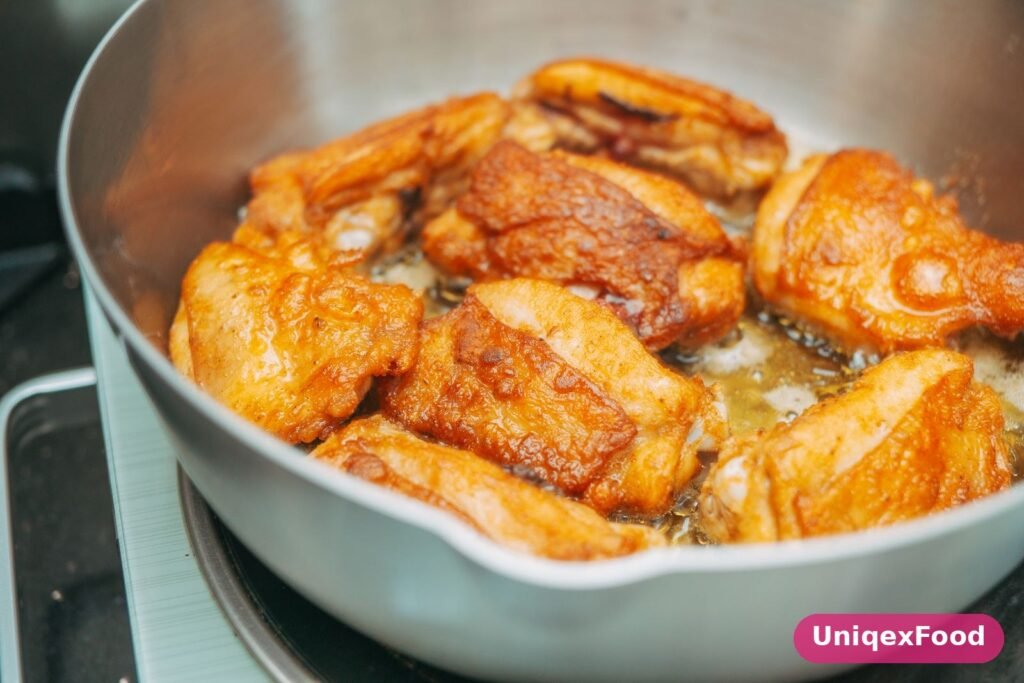
Heat the olive oil in a large, deep skillet over medium-high heat. A twelve-inch skillet is the minimum here, because you need room for the chicken to sear and later for the vegetables to fit alongside it. When the oil shimmers, add the chicken in a single layer and leave it alone for three to four minutes. Do not stir it, do not poke it, and do not crowd it — if your pan is small, sear it in two batches. You are looking for a deep golden-brown crust on the first side, and that only happens if the chicken sits still long enough for the surface to brown. Flip the pieces and cook for another three minutes on the second side, until they are mostly cooked through. They do not need to be fully done yet, because they will go back into the pan later. Take the chicken out and set it on a plate, leaving the oil and the browned bits in the pan.
Now the vegetables go in. Add the carrots first, because they take the longest, and cook them for two minutes, stirring occasionally. Then add the broccoli, green beans, and bell pepper, and cook for another three to four minutes, until the vegetables are bright and just tender — still with a bit of bite to them, not soft and grey. If the pan looks dry, add a splash of water, a tablespoon or two, which will help the vegetables steam slightly and will loosen the browned bits from the chicken. This is also the moment to taste a piece of broccoli. It should be tender enough to bite through easily but still crisp in the middle. If you cook the vegetables until they are soft now, they will be mushy by the time the sauce finishes, so pull them while they still have life in them.
Push the vegetables to the sides of the pan and pour the honey garlic sauce into the center. Let it bubble for about a minute, stirring it into the vegetables as it heats, and you will smell the garlic blooming and the honey starting to caramelize. Then stir in the cornstarch mixture and watch the sauce thicken — it happens quickly, in about thirty seconds, and it should turn glossy and coat the back of a spoon. If it gets too thick, add a tablespoon of water. If it is too thin, let it bubble for another thirty seconds. Then slide the chicken back into the pan, along with any juices from the plate, and toss everything together so every piece is coated in the glaze. Let it all cook together for two or three minutes, until the chicken is cooked through and the sauce clings to the vegetables and the meat. Take it off the heat, sprinkle with sesame seeds and green onions, and serve it right away while the sauce is still glossy and warm.
Tips for Perfect Honey Garlic Chicken
The most important tip is to not overcook the chicken, and the way to avoid that is to pull it out of the pan before it is fully done. Chicken thighs are forgiving — they stay juicy even if you overshoot by a minute — but chicken breasts dry out fast, and once they are dry there is no bringing them back. If you are using breasts, cut them a little larger than you think you need, sear them the same way, and rely on those final two or three minutes in the sauce to finish them. A meat thermometer is your friend here if you have one: the chicken should reach 165°F at its thickest point, and the USDA food safety guidance is the reference I use when I am cooking for guests and want to be certain rather than guessing.
The second tip is about the honey. Honey burns faster than you might expect, so once the sauce goes into the pan, keep the heat at medium and keep things moving. If the sauce starts to darken too quickly or smell sharp, turn the heat down and add a tablespoon of water. The sauce should bubble gently and thicken, not sizzle hard and darken. Dark honey sauce looks dramatic but tastes bitter, and it is a shame to lose a good pan of chicken to a burnt sauce in the last two minutes. Stirring the sauce into the vegetables as it heats also helps, because the vegetables cool the pan slightly and keep the honey from scorching.
The third tip is to cut your vegetables with some thought about how long each one takes to cook. Carrots go in first because they are dense and slow. Broccoli, green beans, and peppers go in together because they cook at roughly the same pace. If you want to add something delicate like snap peas or zucchini, add them in the last two minutes so they stay crisp. And if you are using frozen vegetables, you can absolutely use them — just thaw them first and pat them dry, or the extra water will thin out your sauce. My easy chicken dinner with frozen vegetables is built around exactly that shortcut, and it is a lifesaver on nights when the fresh vegetable drawer is empty.
Finally, taste the sauce before you commit to it. Everyone’s honey is a little different — some are mild and floral, some are dark and strong — and soy sauces vary in saltiness too. Taste the mixed sauce from the bowl before it goes into the pan, and adjust it: a little more vinegar if it tastes too sweet, a little more honey if it tastes too salty, a pinch of red pepper flakes if you want warmth. It takes ten seconds and it is the difference between a sauce that tastes like yours and a sauce that tastes like a recipe you followed. This is the kind of small habit that makes home cooking feel like your own.
Variations to Try
If you want a spicier version, add a tablespoon of sriracha or a teaspoon of chili garlic sauce to the honey mixture, and double the red pepper flakes. The honey and the heat balance each other beautifully — the sweetness hits first and the warmth follows — and it is closer to a Korean-inspired sticky chicken than a gentle weeknight one. I make this version when it is just the adults at the table, and I serve it with extra rice because the sauce is the kind that makes you want a second helping. A squeeze of lime over the top at the end brightens the heat, and it is worth doing.
For a lighter, citrusy version, swap the vinegar for fresh orange juice and add the zest of half an orange to the sauce. The orange makes the whole dish taste brighter and a little more elegant, and it pairs especially well with the carrots and the bell pepper. This is the version I make in the winter, when oranges are good and cheap, and I sometimes add a handful of mandarin segments at the very end, just warmed through, which my kids treat like a treasure hunt in the pan.
You can also change the protein without changing anything else. The same sauce and method work beautifully with pork tenderloin cut into medallions, with firm tofu pressed and cubed, or with shrimp, which only need two minutes a side before they come out of the pan. If you like chicken and sausage together, my one-pan chicken and sausage skillet is another one-pan dinner that uses the same sear-then-simmer rhythm, and the sausage adds a smoky note that is very good with the vegetables. And if you want more ideas for single-pan cooking, the BBC Good Food one-pot recipes collection is a great place to browse — it is full of the same kind of practical, low-washing-up dinners.
Serving Ideas
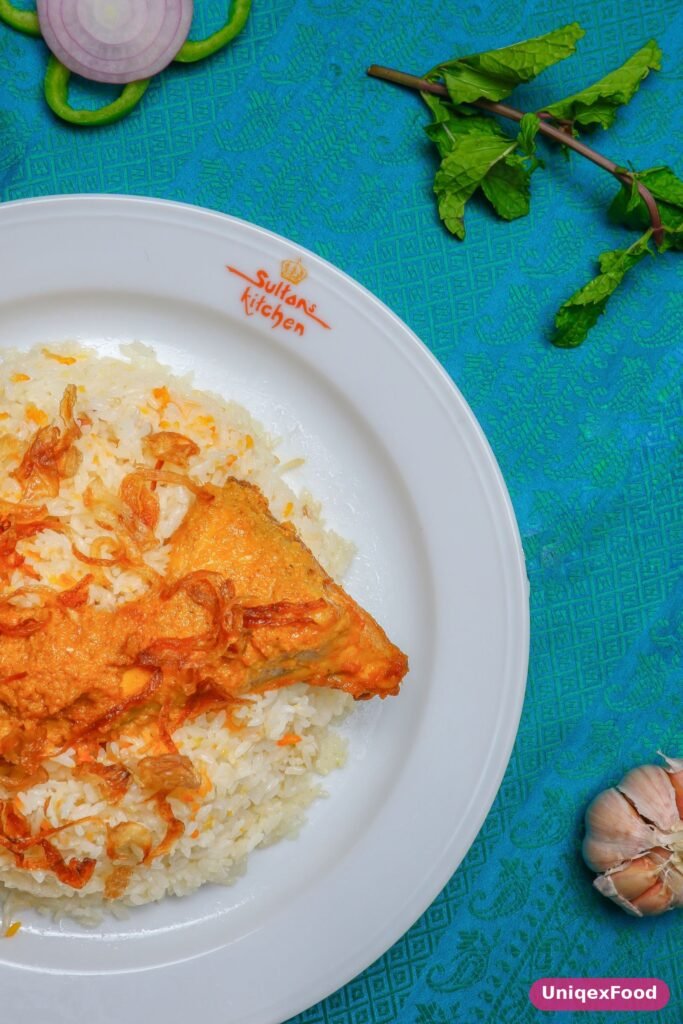
The classic way to serve this is over a bowl of steamed rice — white rice, jasmine rice, or brown rice if that is what you prefer — with the sauce spooned over the top so it soaks in. I start the rice before I touch the chicken, so it is hot and ready when the pan comes off the heat, and I always make a little more rice than I think I need, because someone always wants the extra sauce over a second scoop. A sprinkle of sesame seeds and sliced green onions over the top is not just decoration; the green onions add a fresh bite that cuts through the sweetness of the sauce, so do not skip them.
Noodles are another good option, and they are the one my kids ask for most. Toss the chicken and vegetables with cooked rice noodles or egg noodles, and let the sauce coat everything. It turns the dinner into something closer to a stir-fry, and it is a good way to use up half a packet of noodles sitting in the pantry. A little extra soy sauce at the table lets everyone season their own bowl, which is useful when you are feeding people who like different levels of salt.
If you want to keep things light, serve the chicken and vegetables on their own, straight from the pan, with a simple cucumber salad or a wedge of lime on the side. The vegetables are generous enough that the meal does not feel incomplete without a starch, and it is a good option for anyone watching their carbs. A big green salad with a light sesame dressing also works, and the warm chicken on top of cold greens is a combination I never get tired of. For another night, my chicken skillet with frozen vegetables is a similar one-pan meal that leans lighter and greener, and it is just as quick when the fridge is running low.
Storage and Reheating
Leftovers keep in the fridge for three to four days in a sealed container, and they reheat better than most chicken dinners because the sauce keeps the meat moist. Store the chicken and vegetables together with all the sauce poured over them — the sauce is what protects the chicken from drying out, so do not leave it behind in the pan. If you have rice left over too, store it separately so it does not soak up all the sauce overnight and go mushy.
To reheat, warm the chicken and vegetables gently in a skillet over medium-low heat for four to five minutes, adding a tablespoon of water if the sauce has thickened too much in the fridge. The microwave works as well, in one-minute bursts with a stir between them, but the skillet gives you a better result because the sauce loosens up and coats everything again instead of just getting hot in spots. Either way, heat it until it is steaming all the way through, and do not reheat it more than once.
This also freezes reasonably well, which is more than I can say for most saucy chicken dishes. Let it cool completely, pack it into a freezer-safe container with the sauce, and it will keep for up to two months. Thaw it overnight in the fridge and reheat it gently in a skillet. The vegetables will be softer than they were fresh — that is unavoidable with freezing — but the flavor holds up well, and it is a genuinely useful thing to have in the freezer for a night when cooking is the last thing you want to do.
Frequently Asked Questions
Can I use chicken breasts instead of thighs?
Yes, you can, and many people prefer them. Cut the breasts into large, even chunks, about two inches across, and sear them the same way as the thighs. The important difference is that breasts dry out much faster, so be careful not to overcook them — pull them out of the pan when they are just barely done, or even a touch before, because they will finish cooking in the sauce at the end. If you have a thermometer, aim for 165°F at the thickest point and take them off the heat the moment they get there. Thighs are more forgiving and stay juicier, which is why I use them by default, but breasts work fine if that is what you have or what your family prefers.
Can I use frozen vegetables in this recipe?
Yes, and it is a genuinely good shortcut. Thaw the frozen vegetables first — either overnight in the fridge or in a bowl of cold water for fifteen minutes — and then pat them dry with a clean towel or paper towels. The drying matters, because frozen vegetables hold a lot of water, and that water will thin out your sauce and make the pan steam instead of sear. Add them to the pan the same way you would fresh vegetables, keeping in mind that they will cook a little faster since they are already partially cooked from the blanching process. A mix of broccoli, carrots, and green beans is a good frozen choice, and it is the kind of bag I keep in my freezer for exactly this purpose.
How do I stop the honey sauce from burning?
Keep the heat at medium once the sauce goes in, and keep stirring. Honey burns when it sits still over high heat, so the combination of moderate heat and movement is what protects it. If the sauce starts to darken too fast or smells sharp and bitter, turn the heat down immediately and add a tablespoon of water to cool the pan. It is also worth checking your honey — darker honeys burn more easily than light, mild ones. And make sure the sauce does not go into a screaming-hot pan: by the time you add it, the vegetables should have cooled the pan slightly, and the heat should be at medium, not the high heat you used to sear the chicken.
Is this recipe gluten-free?
It can be, with one swap. The only ingredient that contains gluten is the soy sauce, and you can replace it with tamari or a gluten-free soy sauce in exactly the same amount. Everything else in the recipe — the honey, the chicken, the vegetables, the cornstarch — is naturally gluten-free. Just check the label on your soy sauce substitute and on the cornstarch, since a few brands process them in facilities that handle wheat. Serve it over rice rather than noodles, and you have a fully gluten-free dinner that tastes exactly like the original, which is the best kind of substitution.
Can I make this ahead of time?
You can, with a small compromise. Cook it fully, let it cool, and store it in the fridge for up to two days, then reheat it gently in a skillet with a splash of water. The chicken will still be good, but the vegetables will be softer than they were fresh, and the sauce will have thickened in the fridge. If you want to prep ahead without that compromise, do the prep instead: cut the chicken and the vegetables the night before, mix the sauce and store it in a jar in the fridge, and then the actual cooking takes only twenty minutes the next evening. That is the prep-ahead method I actually use, because it gives you a fresh-tasting dinner with almost no evening effort.
What vegetables work best in this dish?
Broccoli, carrots, bell peppers, and green beans are my go-to combination because they hold up well in the pan, they cook at a similar pace, and their colors look beautiful together under the glossy sauce. Snap peas, zucchini, and mushrooms are also excellent — add the snap peas and zucchini in the last two minutes so they stay crisp, and give the mushrooms a few minutes on their own first so they brown rather than steam. Asparagus works well in the spring, and cauliflower is a good substitute for broccoli. Avoid anything that takes a very long time to cook, like potatoes or whole carrots, unless you cut them small or cook them separately first. And do not be afraid to use what is in the fridge — this recipe is forgiving, and the sauce makes almost any vegetable taste good.


One Comment