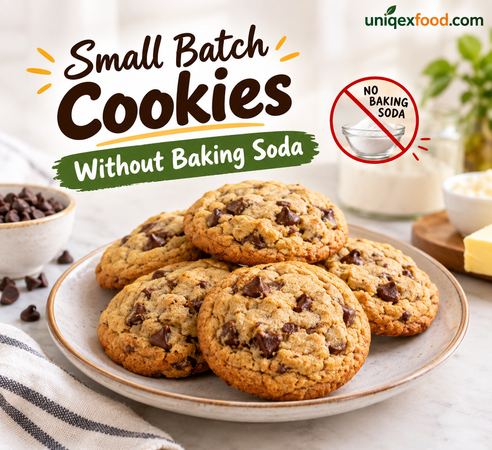
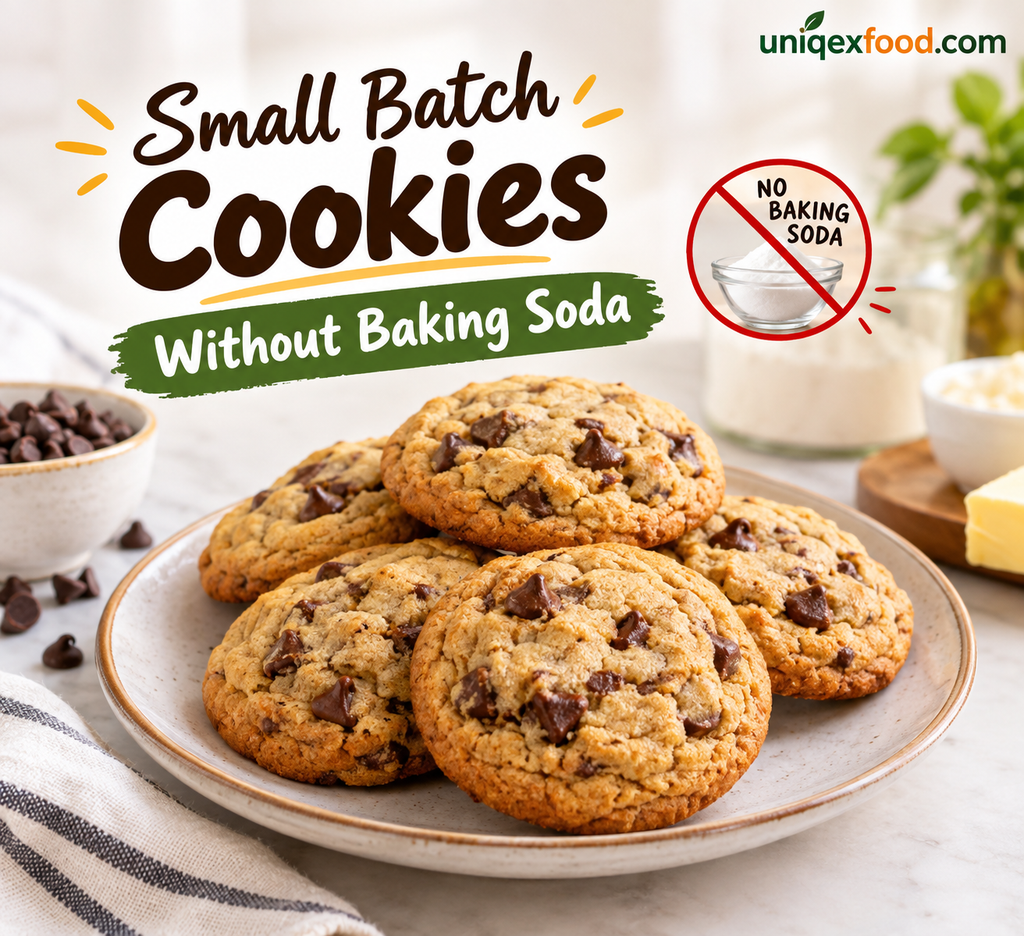
Sometimes, you want freshly baked cookies but don’t want to make a huge batch or run to the store for missing ingredients. That’s where these small batch cookies without baking soda come in handy. They are simple to prepare, require everyday pantry ingredients, and deliver delicious homemade flavor without needing baking soda.
Whether you’re craving something sweet after dinner, preparing a quick dessert for two, or simply don’t want leftover cookies sitting around, this recipe is a convenient solution. You don’t need a stand mixer, complicated techniques, or any special baking skills. With a few basic ingredients, you can make a small batch of golden cookies with lightly crisp edges and soft, tender centers.
The best part is that you can make these cookies without baking soda while still achieving a satisfying texture. Baking soda is commonly used in cookie recipes to help with spreading and browning, but it isn’t the only way to make delicious cookies. By adjusting the ingredients and mixing method, you can bake cookies that hold their shape and have a lovely buttery taste.
In this guide, you’ll learn how to make small batch cookies without baking soda, which ingredients you need, how to get the right texture, and how to store your cookies so they stay fresh.
Why You’ll Love These Small Batch Cookies Without Baking Soda
There are plenty of reasons to keep this easy cookie recipe in your collection. It’s especially useful when you want homemade cookies without spending too much time in the kitchen.
- No baking soda required: This recipe uses baking powder as an alternative leavening agent, so you can bake cookies even when baking soda isn’t available.
- Perfect small batch: The recipe makes approximately 6 to 8 cookies, depending on their size, which is ideal for one or two people.
- Simple ingredients: You probably already have most of the ingredients in your kitchen.
- Easy preparation: You don’t need advanced baking skills or expensive kitchen equipment.
- Soft and buttery texture: The cookies have lightly golden edges and a soft, tender center.
- Quick to make: The dough takes only a few minutes to prepare, with a short chilling time if needed.
- Easy to customize: Add chocolate chips, chopped nuts, sprinkles, or other favorite ingredients.
- Less food waste: Making a small batch means you don’t have to worry about storing dozens of leftover cookies.
These cookies are also a lovely option when you want a quick homemade treat without making a complicated dessert.
What Do Cookies Without Baking Soda Taste Like?
Cookies made without baking soda can taste just as delicious as traditional homemade cookies. The main difference is often in their texture, spreading, and browning.
Baking soda is an alkaline ingredient that reacts with acidic components in a recipe. It helps cookies spread, encourages browning, and can contribute to a lighter texture. When you leave it out, the cookies may spread less and have a slightly different crumb.
In this recipe, baking powder helps provide some lift. The butter adds richness, while brown sugar contributes moisture and a subtle caramel-like flavor. A little vanilla extract enhances the sweetness and gives the cookies their familiar homemade aroma.
The result is a cookie with a lightly crisp exterior and a soft, tender middle. They may be slightly thicker than cookies made with baking soda, depending on the dough consistency and baking temperature.
Ingredients for Small Batch Cookies Without Baking Soda
Preparation: 10 minutes | Chilling: 15–20 minutes, optional | Baking: 9–12 minutes | Yield: 6–8 cookies

You don’t need a long shopping list to make these small batch cookies. Each ingredient plays a specific role in creating the right flavor and texture.
| Ingredient | Amount | Purpose |
|---|---|---|
| All-purpose flour | ¾ cup | Provides structure |
| Unsalted butter, softened | ¼ cup | Adds richness and tenderness |
| Brown sugar | ¼ cup | Adds moisture and caramel flavor |
| Granulated sugar | 2 tablespoons | Adds sweetness and helps with crisp edges |
| Baking powder | ¼ teaspoon | Provides gentle lift |
| Egg yolk | 1 | Binds the dough and adds richness |
| Vanilla extract | ½ teaspoon | Enhances flavor |
| Salt | ⅛ teaspoon | Balances sweetness |
| Chocolate chips | ⅓ cup | Adds chocolate flavor |
For the best results, measure your flour accurately. Too much flour can make the cookies dry or crumbly. Use a kitchen scale if available, or lightly spoon flour into a measuring cup and level it off without packing it down.
The egg yolk is used instead of a whole egg to keep the small batch proportions balanced. It contributes richness without adding too much moisture.
How to Make Small Batch Cookies Without Baking Soda

Making these cookies is straightforward. Follow each step carefully to achieve a tender center and lightly golden edges.
Step 1: Preheat the Oven
Preheat your oven to 350°F (175°C). Allow it to reach the correct temperature before placing the cookies inside.
Line a small baking sheet with parchment paper. This prevents sticking and helps the cookies bake evenly. If you don’t have parchment paper, you can lightly grease the baking sheet.
Step 2: Mix the Dry Ingredients
In a small bowl, combine the all-purpose flour, baking powder, and salt.
Whisk them together until evenly distributed. Mixing the dry ingredients separately helps prevent pockets of baking powder in the finished cookies.
Set the bowl aside while you prepare the wet ingredients.
Step 3: Cream the Butter and Sugars
Place the softened butter, brown sugar, and granulated sugar in a medium mixing bowl.
Use a hand mixer or a sturdy spoon to mix everything until the mixture looks creamy and well combined. This usually takes about 1 to 2 minutes by hand.
The butter should be soft enough to mix easily but not melted. Melted butter can make the dough greasy and cause the cookies to spread differently.
You don’t need to whip the mixture for a long time. The goal is to create a smooth, evenly blended base.
Step 4: Add the Egg Yolk and Vanilla
Add one egg yolk and the vanilla extract to the butter and sugar mixture.
Mix until everything is combined and the mixture looks smooth. Scrape down the sides of the bowl with a spatula if necessary.
The egg yolk helps hold the dough together and gives the cookies a richer texture.
Step 5: Combine the Wet and Dry Ingredients
Gradually add the flour mixture to the wet ingredients.
Use a spatula or wooden spoon to mix until a soft dough forms. Stop mixing as soon as the flour disappears. Overmixing can develop excess gluten and make the cookies tougher.
The dough should be soft and slightly thick. If it feels very sticky, refrigerate it for 15 to 20 minutes before shaping.
Step 6: Fold in the Chocolate Chips
Add the chocolate chips to the cookie dough.
Gently fold them in until they are evenly distributed. You can reserve a few chocolate chips to press onto the tops of the dough balls before baking.
If you prefer plain cookies, simply leave out the chocolate chips or replace them with chopped nuts, raisins, or another favorite addition.
Step 7: Shape the Cookie Dough
Divide the dough into 6 to 8 equal portions.
Roll each portion gently between your palms to form a ball. Place the dough balls on the prepared baking sheet, leaving approximately 2 inches between each one.
Lightly flatten each ball if you prefer a slightly wider cookie. Keep them thicker if you want a softer, more cake-like center.
Step 8: Bake the Cookies
Place the baking sheet in the preheated oven and bake for approximately 9 to 12 minutes.
The edges should look lightly golden, while the centers may still appear a little soft. Avoid waiting until the entire cookie turns dark golden, as that can result in a dry texture.
Baking times vary depending on the oven and the size of the cookies. Keep an eye on them during the final few minutes.
Step 9: Cool Before Serving
Remove the baking sheet from the oven and allow the cookies to rest on it for about 5 minutes.
The cookies will continue to set as they cool. Afterward, transfer them carefully to a wire rack.
Allow them to cool slightly before eating. The centers will become more stable while retaining their tender texture.
Serve them warm with milk, coffee, tea, or your favorite drink.
Tips for Perfect Small Batch Cookies Without Baking Soda

A few small details can make a noticeable difference in your finished cookies.
Use softened butter, not melted butter. Softened butter blends easily with the sugars and helps create a consistent dough. If your butter is too warm or melted, refrigerate the dough before baking.
Measure the flour correctly. Adding too much flour is a common reason cookies turn out dry or dense. Spoon the flour into your measuring cup rather than scooping directly from the bag.
Don’t skip the salt. Even a small amount of salt helps balance the sweetness and brings out the buttery and chocolate flavors.
Avoid overmixing. Once you add the flour, mix only until the ingredients come together. Excessive mixing may result in a tougher cookie.
Chill sticky dough. Refrigerating the dough for 15 to 20 minutes can make it easier to shape and help control spreading.
Watch the baking time. Cookies can quickly go from soft and tender to dry. Remove them when the edges are set and lightly golden.
Let the cookies cool on the baking sheet. They are delicate immediately after baking. A few minutes of resting helps them firm up without overbaking.
Can You Make Cookies Without Baking Soda or Baking Powder?
Yes, it is possible to make cookies without either baking soda or baking powder. However, the result will be different.
Without a leavening agent, cookies generally spread and rise less, depending on the recipe. They may turn out denser, flatter, or more similar to shortbread if the butter and flour proportions are adjusted accordingly.
For this particular recipe, baking powder is included because it helps provide a little lift and creates a tender texture. If you don’t have baking powder either, you can use a suitable no-leavener cookie recipe instead of simply removing it from this one.
Baking soda and baking powder are not interchangeable in equal amounts. Baking powder contains an acid and a base, while baking soda requires an acidic ingredient to react effectively. Therefore, substituting them without adjusting the recipe can change the final result.
Variations of Small Batch Cookies
One of the best things about this recipe is how easy it is to customize. You can keep the basic dough and make different flavors depending on what you have available.


8
1. Small Batch Chocolate Chip Cookies
Chocolate chip cookies are a classic choice. The chocolate melts slightly during baking and creates delicious pockets of sweetness.
Use semisweet, milk, or dark chocolate chips according to your preference. You can also combine different types of chocolate for a richer flavor.
2. Small Batch Oatmeal Cookies
For an oatmeal variation, replace approximately ¼ cup of the flour with quick oats. Add a pinch of cinnamon for a warm, comforting flavor.
You can also mix in a few raisins or chopped dates. The oats give the cookies a heartier texture.
3. Small Batch Chocolate Walnut Cookies
Add 2 to 3 tablespoons of chopped walnuts to the dough along with the chocolate chips.
The nuts provide a pleasant crunch that contrasts with the soft cookie center. Toasting the walnuts lightly before adding them can bring out their flavor.
4. Small Batch Sugar Cookies
For a simple sugar cookie variation, leave out the chocolate chips and add a little extra vanilla extract.
Roll the dough balls in granulated sugar before baking for a delicate, lightly crisp exterior. You can also add a small amount of lemon zest for a fresh flavor.
5. Small Batch Cinnamon Cookies
Add ½ teaspoon of ground cinnamon to the dry ingredients. For an extra touch, roll the dough balls in a mixture of cinnamon and sugar before baking.
These cookies have a warm, sweet flavor that pairs particularly well with tea or coffee.
Common Mistakes to Avoid
Even simple cookie recipes can have a few challenges. Understanding common mistakes can help you achieve consistent results.
| Mistake | Why It Happens | How to Fix It |
|---|---|---|
| Cookies turn out dry | Too much flour or overbaking | Measure flour accurately and watch baking time |
| Cookies don’t spread | Dough is too cold or has too much flour | Check measurements and flatten dough slightly |
| Cookies spread too much | Butter is too warm | Chill dough before baking |
| Cookies are tough | Overmixing the dough | Mix only until combined |
| Cookies taste bland | Not enough salt or vanilla | Measure flavoring ingredients carefully |
| Cookies are too cakey | Excess flour or too much leavening | Follow the specified measurements |
| Cookies break easily | Not enough binding or insufficient cooling | Use the egg yolk and cool before moving |
If your first batch doesn’t look exactly as expected, make a small adjustment next time. Oven temperatures, flour brands, and cookie sizes can all affect the final texture.
How to Store Small Batch Cookies
Proper storage helps keep your homemade cookies fresh and enjoyable.
At room temperature: Once completely cooled, place the cookies in an airtight container. Store them in a cool, dry place for up to 4 days for the best quality.
In the refrigerator: You can refrigerate baked cookies in an airtight container for up to a week, although refrigeration may make them firmer. Let them come to room temperature before serving.
In the freezer: Place completely cooled cookies in a freezer-safe container or bag, separating layers with parchment paper. Freeze for up to 2 months for good quality.
To enjoy frozen cookies, allow them to thaw at room temperature. You can also warm them briefly in a low-temperature oven to restore some of their freshly baked texture.
Can You Freeze the Cookie Dough?
Yes. Freezing the dough is a convenient way to enjoy freshly baked cookies whenever you want.
Shape the dough into individual balls and arrange them on a parchment-lined tray. Freeze until firm, then transfer them to a freezer-safe bag or container.
Label the container with the date and freeze for up to 2 months for best quality. When ready to bake, place the frozen dough balls on a prepared baking sheet and bake at 350°F (175°C), allowing a few extra minutes as needed. Check that the cookies are baked through before serving.
What to Serve With These Homemade Cookies
These small batch cookies are delicious on their own, but they also pair well with a variety of drinks and desserts.
- Cold milk: A classic combination that balances the buttery sweetness of the cookies.
- Hot coffee: The slightly bitter flavor of coffee complements chocolate and brown sugar.
- Tea: A cup of black tea or milk tea makes a simple afternoon snack.
- Vanilla ice cream: Serve a slightly warm cookie alongside a scoop of ice cream for an easy dessert.
- Hot chocolate: Chocolate cookies and hot chocolate make a comforting treat during colder weather.
You can also crumble the cookies over yogurt or ice cream for an easy dessert topping.
Frequently Asked Questions
1. Can I make small batch cookies without baking soda?
Yes. You can make delicious small batch cookies without baking soda by using baking powder as the leavening agent. It helps provide lift and creates a soft, tender texture.
2. What happens if I leave baking soda out of cookies?
Leaving baking soda out can reduce spreading and browning and may change the texture. The cookies might be thicker or denser, depending on the other ingredients. Using a properly balanced recipe that includes baking powder can help compensate for some of these differences.
3. Can I use baking powder instead of baking soda?
Yes, some cookie recipes can use baking powder instead of baking soda, but the quantities and other ingredients may need adjustment. Baking powder and baking soda have different chemical properties, so they should not be substituted in equal amounts without considering the recipe.
4. Why are my cookies not spreading?
Cookies may not spread because the dough contains too much flour, the butter is too cold, or the dough balls are very thick. You can flatten the dough slightly before baking and make sure your ingredient measurements are accurate.
5. Can I make these cookies without a mixer?
Absolutely. A sturdy spoon, whisk, and spatula are enough to prepare this small batch cookie dough. Since the recipe is small, mixing by hand is relatively easy.
6. Can I make this recipe without eggs?
You can experiment with an egg-free alternative, such as a small amount of milk or plain yogurt, but the texture may change. For consistent results, use a cookie recipe specifically developed without eggs, as the egg yolk provides richness and structure in this version.
7. How do I make my cookies softer?
Avoid overbaking the cookies and use the correct amount of butter and brown sugar. Removing them from the oven when the edges are set and the centers still look slightly soft helps maintain a tender texture as they cool.
8. Can I prepare the dough in advance?
Yes. You can prepare the dough, cover it tightly, and refrigerate it for up to 24 hours. Let it soften slightly if it becomes too firm to shape. Chilled dough may need a little additional baking time.
9. How many cookies does this recipe make?
This recipe makes approximately 6 to 8 cookies, depending on how large you shape each portion. You can make fewer, larger cookies or more, smaller cookies by adjusting the dough portions and baking time.
10. Can I make these cookies without chocolate chips?
Yes. Chocolate chips are optional. You can leave them out or replace them with chopped nuts, raisins, dried cranberries, or sprinkles. You can also bake the dough plain for a simple buttery cookie.
Nutritional Information
The following figures are estimates and will vary depending on the ingredients, brands, and cookie size.
| Nutrient | Approximate Amount per Cookie |
|---|---|
| Calories | 150–180 |
| Carbohydrates | 19–23 g |
| Protein | 2–3 g |
| Fat | 7–9 g |
| Sugar | 10–13 g |
| Fiber | 1 g |
These values are estimates, not a nutritional analysis of the exact ingredients used. For specific dietary requirements, calculate nutrition using the actual products and quantities in your recipe.
Final Thoughts
Making small batch cookies without baking soda is a simple way to enjoy homemade baking without preparing a large quantity of dessert. With basic ingredients such as flour, butter, sugar, an egg yolk, and baking powder, you can create cookies with lightly crisp edges, tender centers, and plenty of buttery flavor.
This recipe is especially useful when you’re baking for one or two people, working with limited ingredients, or simply craving a quick homemade treat. You can customize the dough with chocolate chips, nuts, oats, or cinnamon to create different flavors without changing the basic preparation method.
Once you understand how the ingredients work together, you’ll find it easy to adjust the recipe to suit your preferences. Keep a small batch of dough in the freezer for another day, or bake the cookies fresh whenever you want a warm, comforting dessert.
Whether you serve them with a glass of milk, a cup of tea, or a scoop of ice cream, these easy homemade cookies are a lovely reminder that delicious baking doesn’t have to be complicated.