Korean Gochujang Glazed Chicken Meatballs
Some recipes sneak up on you. You make them once because you have a tub of gochujang sitting in the back of the fridge and a pack of ground chicken that needs using up, and then suddenly they’re in the regular rotation, the one your family asks for by name. That’s exactly what happened with these Korean gochujang glazed chicken meatballs in my kitchen. I’d been meaning to use up that gochujang for weeks — every time I opened the fridge it was right there, staring at me — and one Tuesday evening, with not much of a plan and even less patience, I mixed up a batch of meatballs, whisked together a sticky, sweet, spicy glaze, and hoped for the best.
What came out of the oven that night was honestly better than I expected. The meatballs were soft and juicy inside, with little flecks of green onion and ginger running through them, and the glaze clung to every single one like it was made for them. Sweet first, then a slow, warm heat that builds without ever getting mean about it, with that deep, almost smoky savouriness that only gochujang brings. My husband went back for seconds before I’d even sat down, and my daughter — who usually picks at anything with the word “spicy” attached to it — asked if she could take the leftovers for lunch the next day. That’s when I knew this one was a keeper.
The thing I love most about this recipe is how unfussy it is. There’s no special equipment, no marinating overnight, no hunting down obscure ingredients. If you can roll a meatball and stir a sauce in a small pan, you can make this. It comes together in about forty minutes start to finish, which makes it perfect for a weeknight, but it tastes like something you put a lot more thought into. It’s the kind of dinner that makes a regular Tuesday feel like a small occasion, and I think every home cook needs a few of those up their sleeve.
I’ve made these meatballs more times than I can count now, in the oven on busy nights, pan-fried on the weekends when I want those crispy edges, and even doubled up for a potluck where they disappeared before the main course was served. Every time, someone asks for the recipe. So here it is — my version, the one that works every time, with all the little things I’ve learned along the way so yours turn out just as good on the very first try.
Why You’ll Love This Recipe
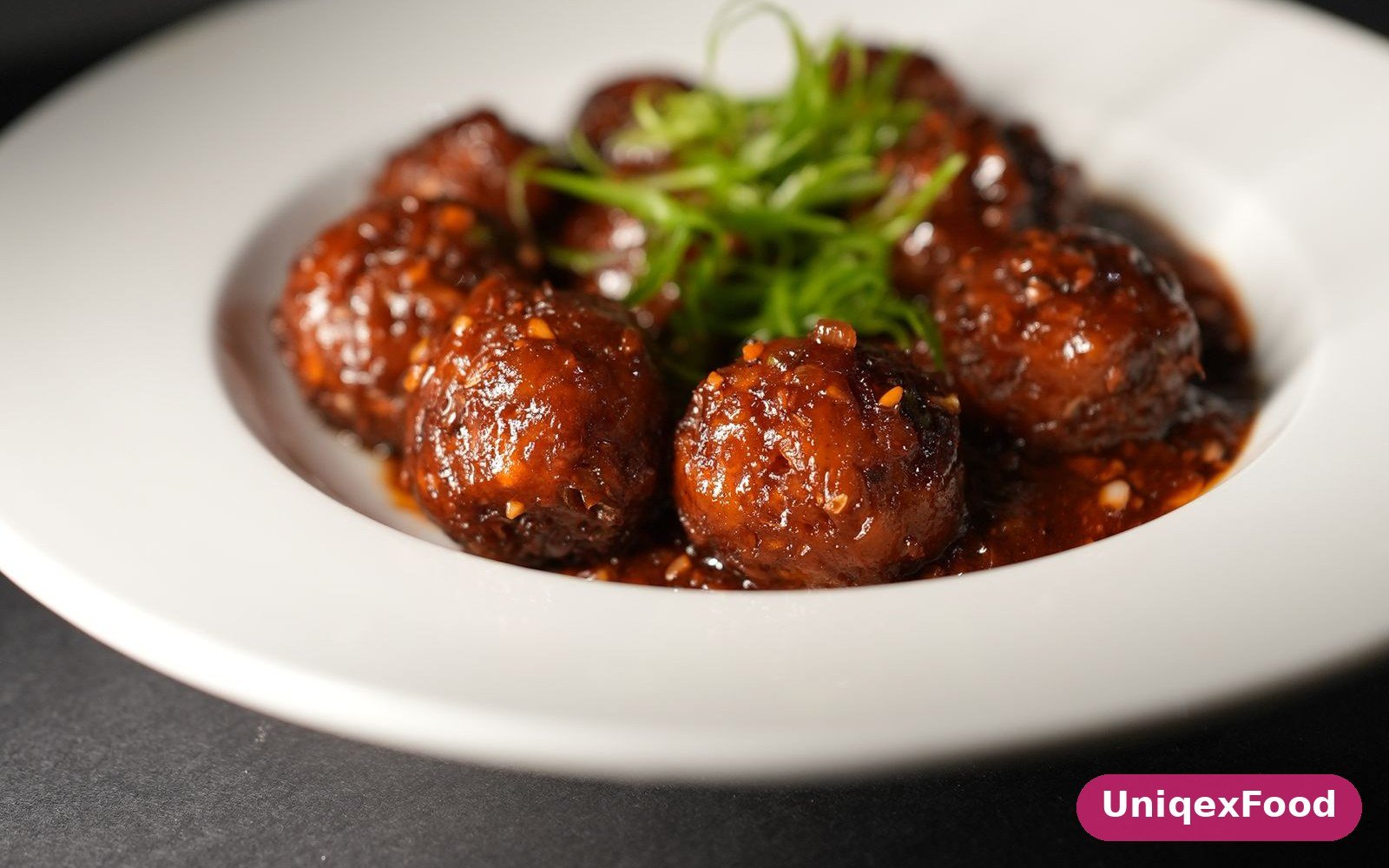
First of all, the flavour. Gochujang is one of those ingredients that does a lot of heavy lifting without asking much of you. It’s a Korean fermented chilli paste, sweet and spicy and deeply savoury all at once, and when you mix it with honey, soy sauce, and a splash of rice vinegar, something kind of magical happens. The sauce turns glossy and sticky and coats the meatballs in this gorgeous deep-red glaze that looks as good as it tastes. If you’re new to gochujang, don’t be nervous about it — the heat in this recipe is mild to medium, and you can easily turn it down or up to suit your own taste. A good place to learn more about what it is and how it works in Korean cooking is Maangchi’s guide to gochujang, which explains it far better than I ever could.
Then there’s the texture. Ground chicken can go dry in a hurry if you’re not careful, but these meatballs stay tender because of a few small things: the panko breadcrumbs soaked up with a little moisture, the egg holding everything together, and — this is the part people skip and shouldn’t — not overworking the mixture. You mix it just until it comes together and then you stop. Your hands will thank you, and so will the meatballs. The outside gets lightly golden and just a little crisp, while the inside stays soft and juicy, and when you toss them in that warm glaze, they soak up just enough of it to be sticky without falling apart.
It’s also genuinely flexible. Bake them when you want hands-off cooking and easy cleanup. Pan-fry them when you want crispy edges and a little more colour. Serve them over rice for dinner, pile them into a bowl with noodles, or stick toothpicks in them and put them out as party food — I’ve done all three, and they’ve worked every single time. They reheat beautifully too, which means the leftovers are something to look forward to rather than something to force down. And if you’re feeding kids, just pull back on the gochujang a touch and add a little extra honey; the sweet-savoury balance still works wonderfully, and nobody feels left out.
Ingredients You’ll Need
Nothing here is hard to find. Most of it is probably already in your pantry, and the rest is one quick trip to any decent supermarket. I always say to read through the list before you start — there’s nothing worse than being halfway through rolling meatballs and realising you’re out of soy sauce. Here’s what you’ll need:
- 1 lb (450 g) ground chicken
- 1/2 cup panko breadcrumbs
- 1 large egg, lightly beaten
- 3 green onions, finely sliced (plus extra for garnish)
- 3 cloves garlic, minced (divided — some for the meatballs, some for the glaze)
- 1 tablespoon fresh ginger, finely grated
- 1 tablespoon soy sauce
- 1 teaspoon sesame oil
- 1/2 teaspoon salt
- 1/4 teaspoon black pepper
- 1/4 cup gochujang (Korean chilli paste)
- 2 tablespoons honey
- 1 tablespoon rice vinegar
- 1 tablespoon soy sauce (for the glaze)
- 1 teaspoon sesame oil (for the glaze)
- 1 teaspoon grated fresh ginger (for the glaze)
- 1 tablespoon sesame seeds, for sprinkling
- Cooked rice, for serving
A quick note on the gochujang: brands vary a little in sweetness and heat, so taste your glaze before you toss the meatballs in it. If your brand runs hot, add an extra teaspoon of honey. If it runs sweet, a tiny splash more rice vinegar will balance it out. And if you can’t find gochujang at your regular supermarket, check the international aisle or an Asian grocery — it’s worth the trip, and the tub lasts for ages in the fridge once it’s open.
How to Make Korean Gochujang Glazed Chicken Meatballs
Start by getting your oven going. Preheat it to 400°F (200°C) and line a baking sheet with parchment paper. I know parchment feels like an optional step, but trust me on this one — the little bit of honey in the glaze and the juices from the chicken can stick, and parchment makes cleanup about ten seconds instead of ten minutes of scrubbing. While the oven heats up, that’s your window to mix everything together.
Grab a large mixing bowl and add the ground chicken, panko breadcrumbs, beaten egg, sliced green onions, two of the minced garlic cloves, the grated ginger, the tablespoon of soy sauce, the teaspoon of sesame oil, salt, and pepper. Now here’s the most important part of the whole recipe: mix it with your hands, gently, just until everything is combined. I mean it when I say just until — the moment you can’t see separate streaks of breadcrumb or egg anymore, stop. Overmixing is the number one reason chicken meatballs turn out dense and rubbery, and there’s no fixing it once it happens. Think of it like folding, not kneading. Your hands are the best tool for this because you can feel when it’s come together, and you won’t be tempted to keep going the way a spoon does.
Next, lightly wet your hands — this keeps the mixture from sticking to your palms — and roll the mixture into meatballs about one and a half inches across. You should get around twenty to twenty-two of them. Try to keep them roughly the same size, because that’s how they cook evenly; if some are tiny and some are huge, the little ones will dry out while the big ones are still catching up. I usually scoop with a small cookie scoop first to keep them even, then roll them quickly between my palms. Place them on the prepared baking sheet with a little space between each one, about an inch apart, so the hot air can circulate around them.
Slide the tray into the oven and bake for eighteen to twenty-two minutes, until the meatballs are cooked through and lightly golden on the outside. The surest way to know they’re done is a meat thermometer — ground chicken needs to reach 165°F (74°C) in the centre, and that’s not a number worth guessing at. The USDA’s safe cooking guidance for poultry is clear on this, and I always check the biggest meatball in the batch, since it’s the one most likely to lag behind. If you don’t have a thermometer, cut one open — the inside should be completely opaque with no pink remaining, and the juices should run clear.
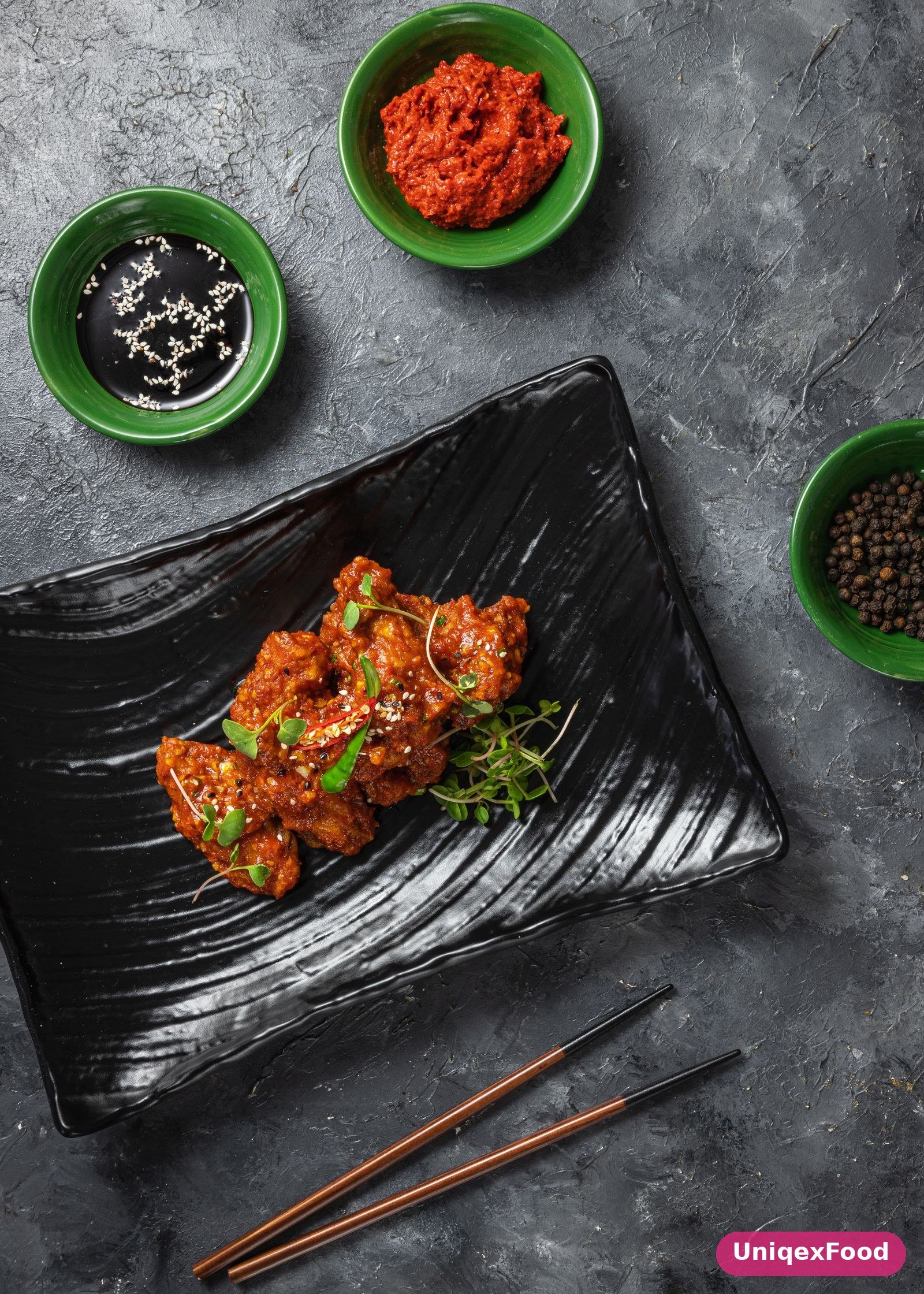
While the meatballs are in the oven, make the glaze. This is the easy, satisfying part. Put the gochujang, honey, rice vinegar, the remaining tablespoon of soy sauce, the remaining teaspoon of sesame oil, the last minced garlic clove, and the extra teaspoon of grated ginger into a small saucepan. Set it over medium-low heat and whisk it gently as it warms up. You don’t need to boil it — you just want everything to melt together into a smooth, glossy sauce, which takes about two to three minutes. It will look thick and dark red, and it should coat the back of a spoon. Give it a taste at this point. Want it sweeter? A little more honey. Spicier? Another spoonful of gochujang. More tang? A splash of vinegar. This is your sauce, so make it taste the way you like it before the meatballs go in.
Now, the best way to finish this dish depends on how you like your meatballs. If you baked them, you can simply pour the warm glaze over the meatballs right on the tray and toss them gently, or transfer them to a large bowl, pour the glaze over the top, and toss until every single one is coated. If you pan-fried them instead — and I’ll get to that in a moment — pour the glaze straight into the pan with the meatballs and toss them over the heat for a minute or two, letting the sauce thicken and cling. Either way, you want them glossy, sticky, and coated all over, not swimming in sauce.
If you’d rather pan-fry the meatballs, heat a tablespoon of neutral oil in a large skillet over medium heat, add the meatballs in a single layer without crowding the pan, and cook them for about eight to ten minutes, turning them every couple of minutes so they brown on all sides. You might need to do this in two batches, and that’s fine — a crowded pan steams instead of browns, and we want those lovely golden edges. Once they’re cooked through to 165°F, pour the glaze into the pan, reduce the heat to low, and toss the meatballs in the sauce for a minute or two until they’re lacquered and shiny. I actually prefer this method on weekends when I have a bit more time, because the caramelised edges you get from the pan are wonderful against the sticky glaze.
To serve, pile the glazed meatballs over a bed of warm cooked rice, spoon any extra glaze from the bowl or pan over the top, and finish with a generous sprinkle of sesame seeds and sliced green onions. The rice is important — it soaks up the sauce and turns the whole thing into a proper meal rather than just a plate of meatballs. I like to serve it family-style, right in the middle of the table, because people always go back for more and nobody wants to wait for a formal second serving.
Tips for the Best Chicken Meatballs
I’ve made every mistake there is to make with these meatballs at least once, so let me save you the trouble. The first is overmixing, which I’ve already mentioned, but it bears repeating because it really is the difference between tender and tough. Mix just until combined, then stop. The second is using ground chicken breast only, which is leaner and dries out more easily. If you can find ground chicken that includes thigh meat, or a mix, use it — the little bit of extra fat keeps the meatballs juicy, and you won’t taste any difference in a bad way.
Size matters more than you’d think. I aim for about one and a half inches, roughly the size of a golf ball, because they cook through in the time it takes the outside to turn golden. If you make them much bigger, the outside can overcook before the centre is done. A small cookie scoop is genuinely the best ten dollars you’ll spend if you make meatballs regularly, and it takes all the guesswork out of sizing.
Don’t skip the resting step after they come out of the oven or pan. Even three or four minutes of resting lets the juices settle back into the meat instead of running out the moment you cut into one. Use that time to finish the rice, set the table, or sprinkle the sesame seeds — it’s a small pause that makes a real difference.
And one more thing about the glaze: make it while the meatballs cook, not before. It thickens as it cools, and if you make it too early it can get so thick that it doesn’t coat properly. Warm glaze, hot meatballs, toss immediately — that’s the order that works. If your glaze does thicken up on you, just warm it gently for thirty seconds and add a teaspoon of water, and it’ll loosen right back up. If you’re a fan of glazed chicken in general, you might also enjoy my one-pan honey garlic chicken and vegetables — it uses a similar sweet-savoury glaze idea, but as a full one-pan dinner with the vegetables cooked right alongside the chicken.
Serving Suggestions
Rice is the obvious partner here, and for good reason — plain steamed jasmine rice or short-grain rice both work beautifully, soaking up the extra glaze and balancing the spice. But don’t stop there. These meatballs are wonderful tucked into a bowl with noodles, especially if you add some quick-pickled cucumber or shredded carrot for crunch. I’ve also served them over a simple cabbage slaw when I wanted something lighter, and the cool, crunchy slaw against the warm, sticky meatballs is a combination I keep coming back to.
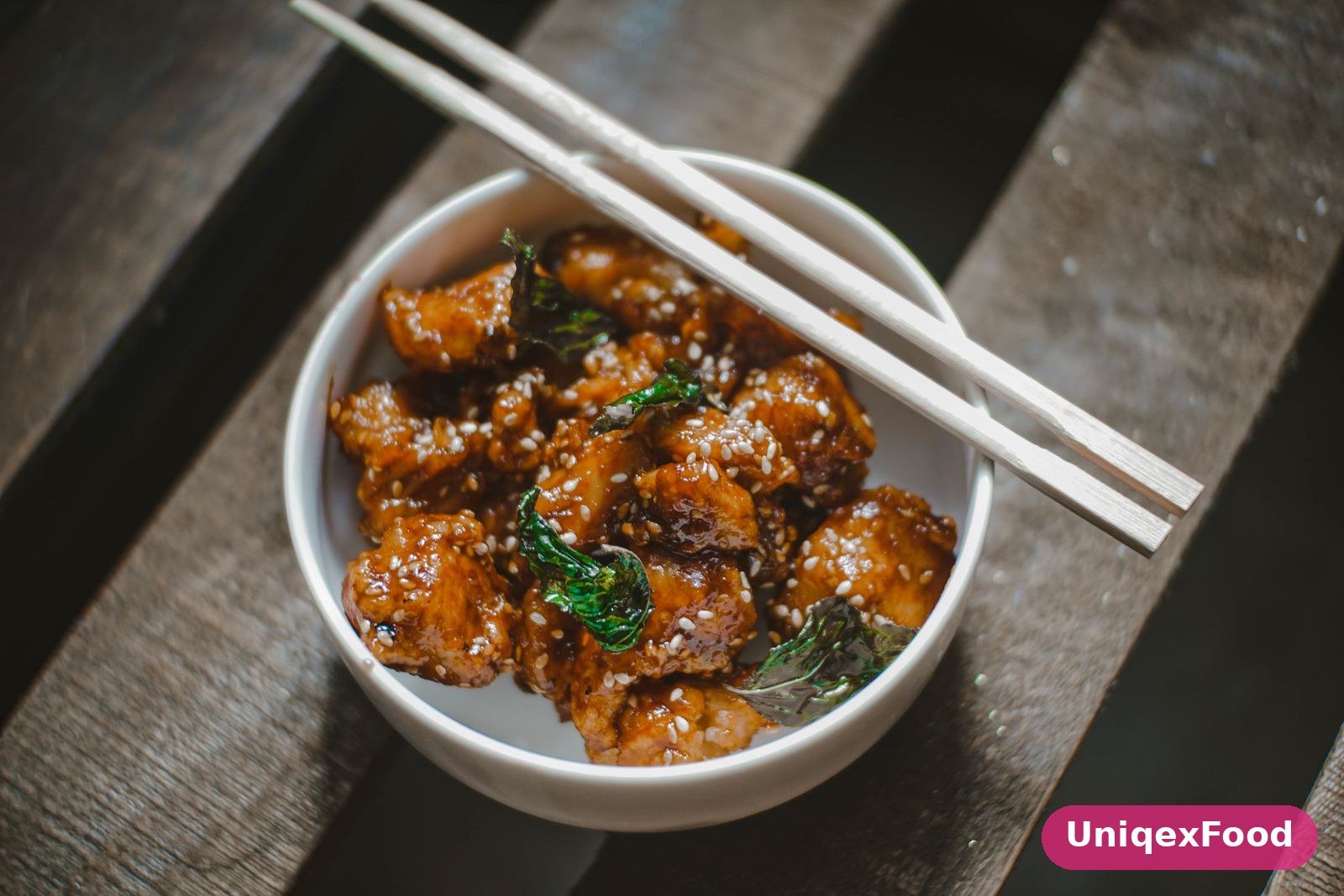
For a party or a game night, make them a little smaller — about an inch across — and serve them in a bowl with toothpicks. They vanish shockingly fast, and people will assume you spent hours on them. A little bowl of extra glaze on the side for dipping doesn’t hurt either. And if you’re building a full Korean-inspired spread, these sit happily next to kimchi, steamed broccoli, or a simple cucumber salad, with plenty of rice to go around.
If you’re feeding kids, or anyone who prefers things mild, serve the glaze on the side and let people dip their own meatballs. The meatballs themselves are flavourful but not spicy — all the heat lives in the glaze — so everyone can control their own level. My daughter’s version is one spoonful of glaze; mine is closer to a ladleful. It works for both of us, and nobody has to make a separate dinner, which is always a win in my book. For another family-friendly chicken dinner with a completely different flavour profile, my butter chicken with creamy tomato sauce is a rich, comforting option that kids tend to love just as much.
Storing and Reheating
Leftovers are one of the best things about this recipe, because these meatballs actually taste even better the next day once the glaze has had time to sink in. Let them cool completely, then store them in an airtight container in the fridge for up to four days. Keep the rice separate if you can — it reheats better on its own, and the meatballs stay glossier that way.
To reheat, the microwave works fine for a quick lunch: cover the container loosely and heat in thirty-second bursts, stirring the meatballs between each one so they warm evenly. But if you have a few extra minutes, the stovetop is better. Put the meatballs in a small pan over low heat with a tablespoon of water, cover with a lid, and warm them gently for about five minutes. The steam loosens the glaze back up and they come out almost as good as fresh. Avoid blasting them on high heat, which can dry out the chicken and make the glaze seize up and go grainy.
You can also freeze them, which is a lifesaver on busy weeks. Freeze the cooked meatballs before glazing — lay them on a tray in a single layer, freeze until solid, then transfer to a freezer bag for up to three months. When you want them, thaw overnight in the fridge, warm them through, and toss with a freshly made batch of glaze. The glaze itself doesn’t freeze well once it’s on the meatballs, so making it fresh is worth the three minutes it takes. I usually make a double batch of meatballs on a Sunday, freeze half, and then I’ve got a head start on a weeknight dinner later in the month. It’s one of those little habits that makes the whole week feel easier.
Frequently Asked Questions
How spicy are these gochujang chicken meatballs?
The heat is mild to medium — warm and flavourful rather than fiery. Gochujang brings more depth and sweetness than raw heat, and the honey in the glaze rounds it out further. If you’re sensitive to spice, start with three tablespoons of gochujang instead of a quarter cup and add an extra teaspoon of honey. If you love heat, you can increase the gochujang to five tablespoons or add a pinch of chilli flakes to the glaze. Taste the sauce before you toss the meatballs in it, and adjust it to your own comfort level.
Can I make these meatballs ahead of time?
Yes, and they hold up really well. You can mix and roll the meatballs up to a day ahead, keep them covered in the fridge, and cook them when you’re ready. You can also cook them fully, let them cool, and refrigerate them for up to four days before reheating and glazing. I often cook a batch on Sunday and glaze them fresh on Monday evening — it turns a weeknight dinner into about ten minutes of work. Just make the glaze fresh each time, since it thickens as it sits and coats much better when it’s warm.
Can I use ground turkey or ground pork instead of chicken?
Absolutely. Ground turkey works almost exactly the same way and stays just as tender, though you should still cook it to 165°F. Ground pork makes a slightly richer, juicier meatball and is a lovely option if you prefer it — pork needs to reach 160°F, but I usually take it to 165°F as well for consistency. You can even use a half-and-half mix of chicken and pork, which gives you the best of both. Just keep the rest of the recipe the same, and the glaze works beautifully with any of them. If you enjoy crispy chicken in other forms, my air fryer chicken katsu is another weeknight favourite with a golden, crunchy coating.
Can I make these meatballs in the air fryer?
You certainly can, and they turn out great. Preheat the air fryer to 380°F (190°C), arrange the meatballs in a single layer with space between them, and cook for ten to twelve minutes, shaking the basket or flipping them halfway through. They’ll come out golden and slightly crisp on the outside, which is lovely against the sticky glaze. Work in batches if your basket is small — crowding them will steam them instead of crisping them. Once they’re cooked through, toss them in the warm glaze just as you would with the baked version.
What should I serve with gochujang glazed chicken meatballs?
Steamed rice is the classic choice, and it’s the one I reach for most often, but these meatballs are flexible. They’re great over noodles, with a crunchy slaw, or alongside kimchi and pickled vegetables for a fuller Korean-inspired meal. For something a bit different, try wrapping them in lettuce leaves with a little rice and extra glaze — it makes a fun, hands-on dinner that kids usually love. If you want a wrap-style meal with a spicy kick, my spicy buffalo chicken wraps are another easy option for busy nights when you want something you can eat with your hands.